 By Classic Oldies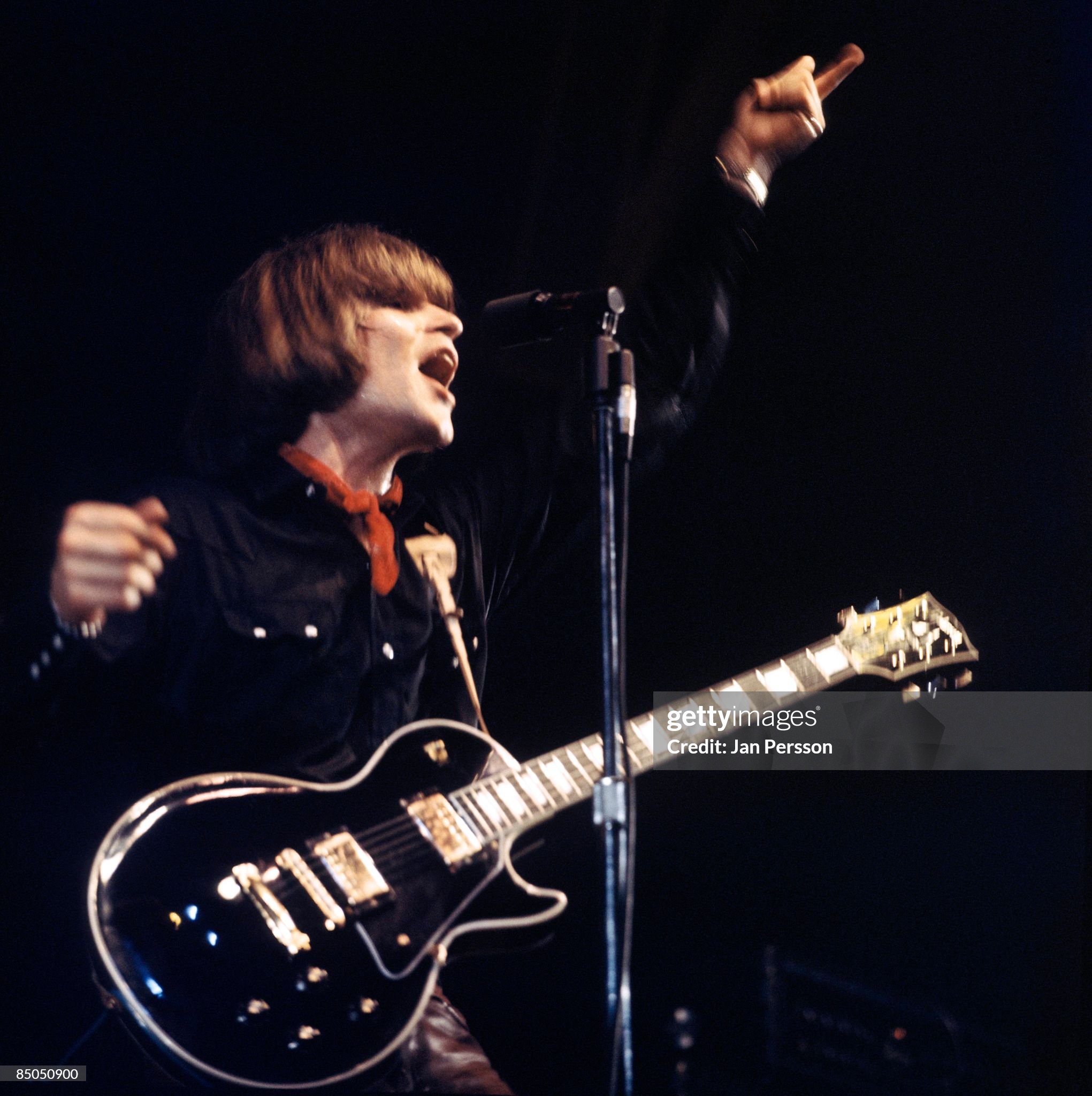
Sometimes a cover says more than a hit ever could: at Woodstock, Creedence Clearwater Revival turned “Ninety-Nine and a Half (Won’t Do)” into a raw demand for honesty, force, and total conviction.
Some performances become famous because the cameras caught them. Others become legendary because, for a long time, they almost slipped away. Creedence Clearwater Revival’s live performance of “Ninety-Nine and a Half (Won’t Do)” at the Woodstock Music & Art Fair in August 1969 belongs to that second category. It was played well after midnight, at a festival already drifting into exhaustion, confusion, and myth. Yet what the band delivered was anything but sleepy. They attacked the song with the clipped force, swamp-rock grit, and unshowy authority that made CCR one of the strongest American bands of their era.
One important fact should be said early: this Woodstock version was not released as a charting single in 1969, so it had no original Billboard ranking of its own. The song itself, however, was already well known before CCR touched it. “Ninety-Nine and a Half (Won’t Do)”, written by Steve Cropper, Eddie Floyd, and Wilson Pickett, had been a hit for Wilson Pickett in 1966, reaching No. 13 on the Billboard Hot 100. By the time Creedence Clearwater Revival played it at Woodstock, the song carried deep soul credentials. What CCR did was not to polish it, but to toughen it in their own image.
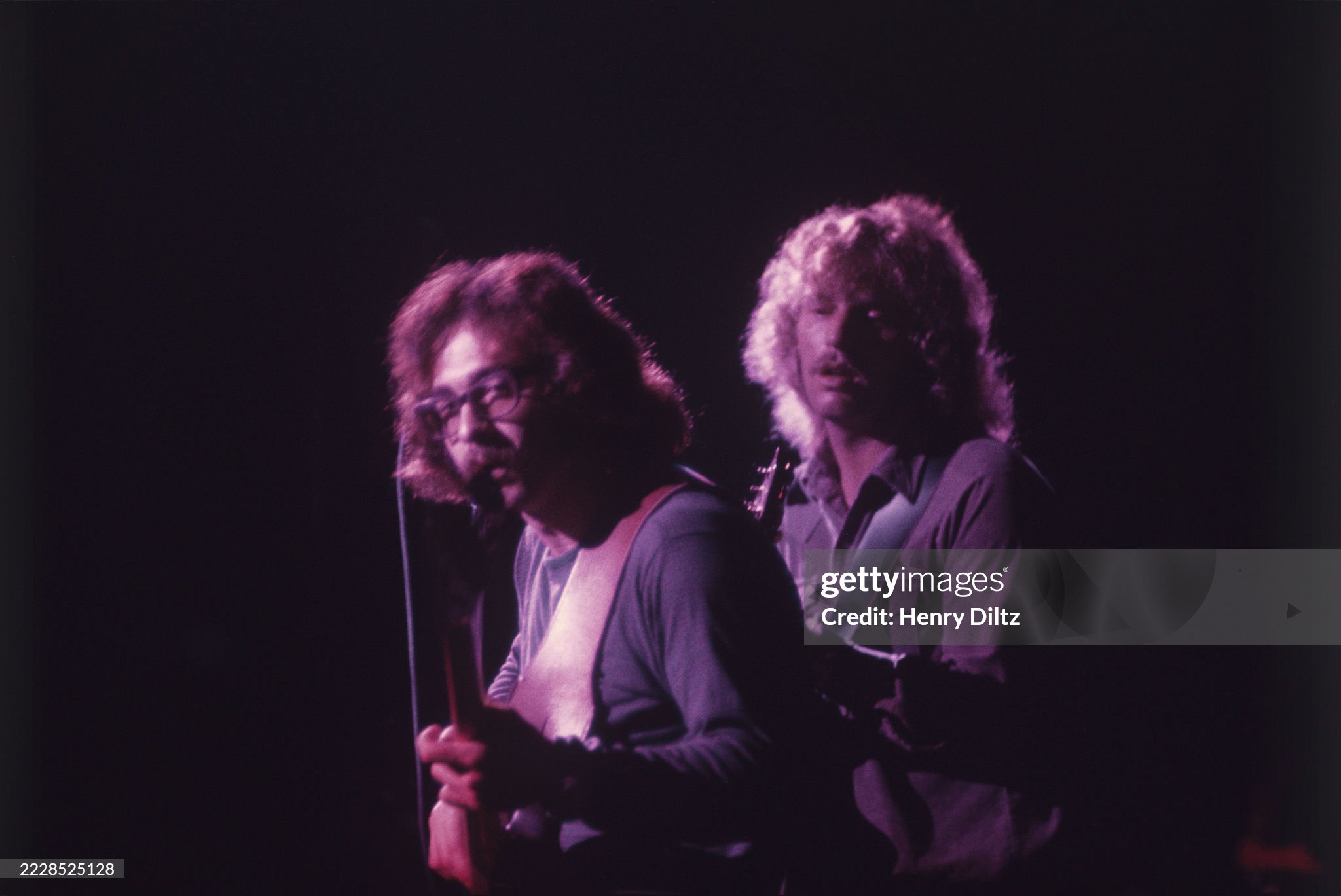
That is part of what makes this performance so memorable. John Fogerty did not sing it like a man borrowing from soul history out of reverence alone. He sang it as if the song already belonged on the same hard road as “Born on the Bayou” or “Green River”. His voice had that familiar rasping urgency, pushing every line forward with impatience and conviction. Behind him, Tom Fogerty, Stu Cook, and Doug Clifford built the kind of relentless groove that sounded simple until you listened closely. Nothing was wasted. Nothing was decorative. CCR had a rare gift for making precision feel wild.
The backstory matters, because it explains why this performance remained strangely under-discussed for so many years. Creedence Clearwater Revival played their Woodstock set late, after long delays, and John Fogerty later spoke critically about how he felt the performance went over in the middle of the night. He believed the crowd had been worn down, and he was dissatisfied enough that the band did not allow their set to appear in the original Woodstock film or soundtrack. That decision had enormous consequences. In a festival remembered through images and myth, CCR became one of the biggest names missing from the original visual memory. For many listeners, this meant that a blistering performance like “Ninety-Nine and a Half (Won’t Do)” lived more as rumor than as shared experience until the official Live at Woodstock release finally arrived decades later in 2019.
And when you hear it now, that absence almost becomes part of the song’s meaning. The lyric is plain, but powerful: nearly enough is still not enough. Love that falls just short, effort that almost reaches the line, devotion that comes up a little thin—none of it will do. In Wilson Pickett’s hands, the song was already a declaration of standards. In CCR’s hands at Woodstock, it becomes something even broader. It sounds like a refusal to settle for weak feeling, weak performance, weak truth. At a festival later wrapped in nostalgia and idealism, Creedence Clearwater Revival came in with something leaner and sterner. They did not drift. They drove.
That is why the performance still lands so hard. There is no grand psychedelic haze around it, no sense of musical wandering. CCR were famously disciplined at a moment when many bands were stretching outward. Their strength was compression: short songs, sharp riffs, instant impact. Even in a cover drawn from Southern soul, they never lost that identity. If anything, “Ninety-Nine and a Half (Won’t Do)” let them show how naturally their style could absorb R&B muscle without surrendering their own personality. It is both tribute and transformation.
There is also something moving in the contrast between the band’s later doubts and the performance itself. John Fogerty may have remembered the set with frustration, but the recording tells a different story. It captures a band at its commercial and creative peak in 1969, the same extraordinary year that brought “Proud Mary”, “Bad Moon Rising”, “Green River”, and the album Willy and the Poor Boys. They were not struggling to define themselves. They were already one of the most potent rock groups in America. This live performance proves it with almost ruthless clarity.
So when people speak of Woodstock, they often return to the most visible names, the most replayed moments, the performances that entered history through film reels and familiar clips. But there is another Woodstock too: the one hidden in the margins, waiting to be heard again. Creedence Clearwater Revival’s “Ninety-Nine and a Half (Won’t Do)” belongs to that hidden festival. It reminds us that some of the strongest music from that weekend was not dreamy or sprawling. Some of it was tough, direct, and unforgettable. And sometimes the most revealing moment in a legend is the one that history almost left in the dark.