 By Classic Oldies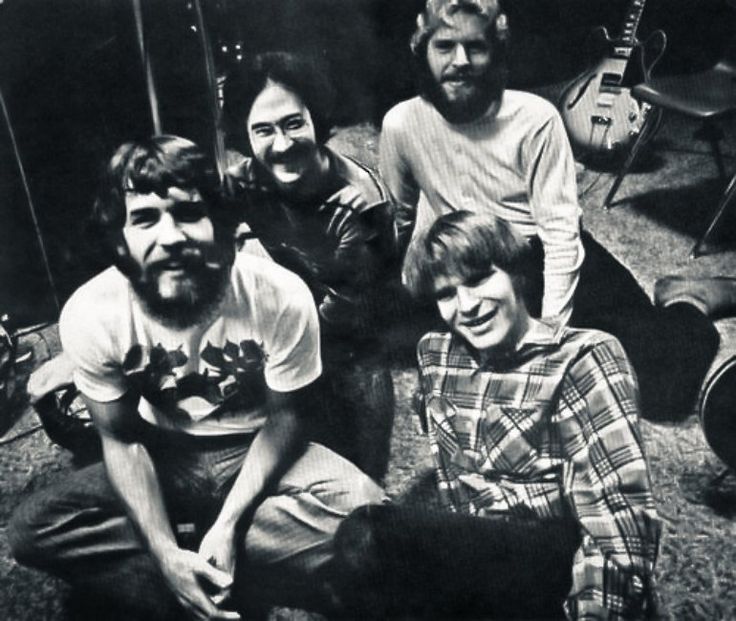
Have You Ever Seen the Rain is the sound of bright success shadowed by private sorrow, a song that turns a simple weather image into one of rock music’s most enduring reflections on change, strain, and quiet heartbreak.
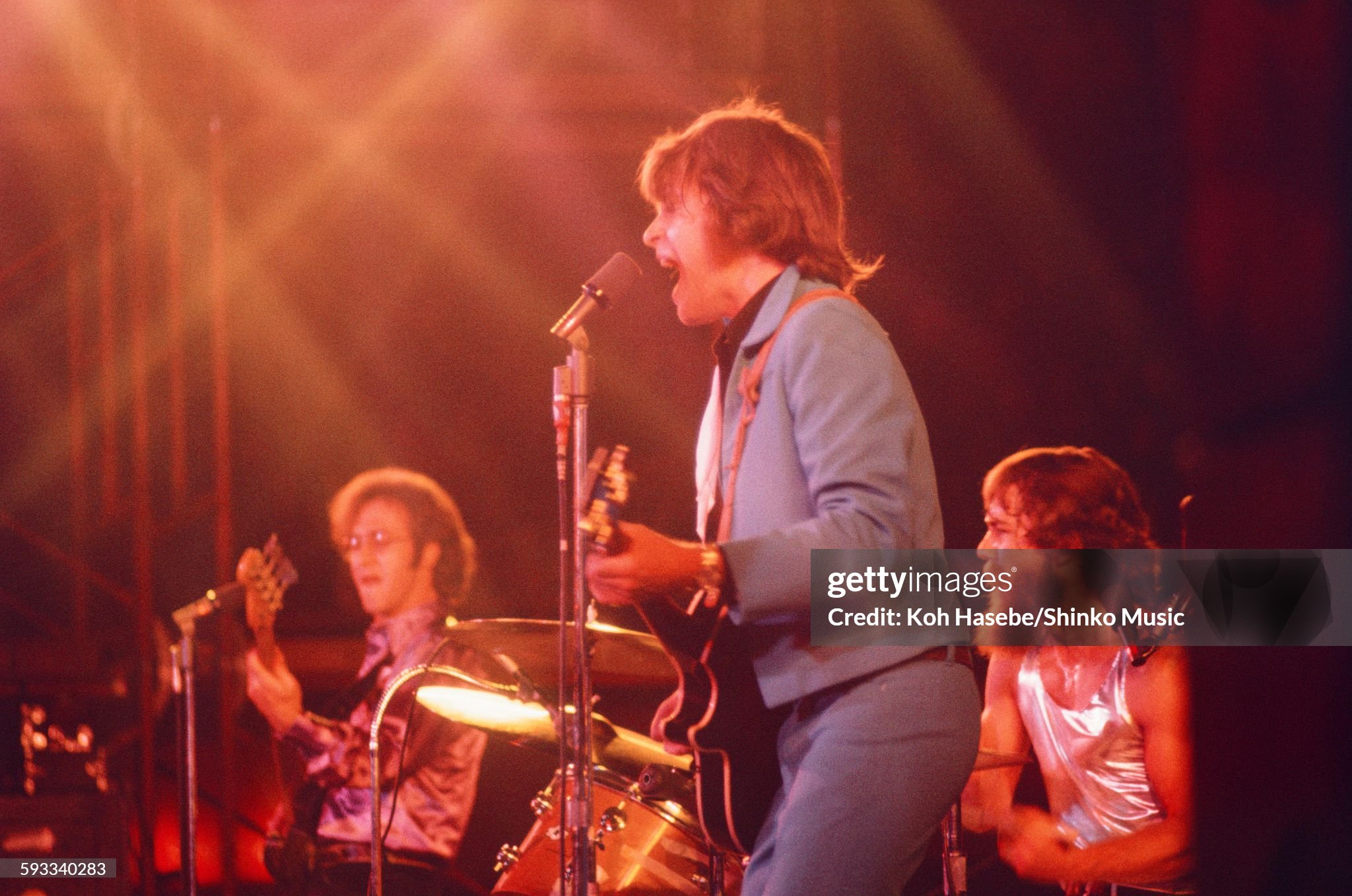
When Creedence Clearwater Revival released Have You Ever Seen the Rain in early 1971, it did not arrive like a dramatic farewell. It came softly, almost modestly, carried by a familiar groove, a clear melody, and the plainspoken honesty that had always made the band feel so close to ordinary life. Yet inside that calm surface was a deeper truth. Written by John Fogerty and included on the album Pendulum, the song was released as a single in January 1971 and rose to No. 8 on the Billboard Hot 100 in the United States. In Canada, it climbed all the way to No. 1. Commercially, CCR still looked strong. Emotionally, however, the ground beneath the band was already shifting.
That tension is one reason the song still lingers so powerfully. Have You Ever Seen the Rain is often heard as a universal meditation on contradiction: sunshine and sadness at the same time, motion and disappointment in the same breath, a public high point hiding a private low. Over the years, many listeners have attached their own meanings to it, and that openness is part of its genius. But John Fogerty has long connected the song to the turmoil within Creedence Clearwater Revival itself. By the time Pendulum appeared in late 1970, the group was one of the biggest bands in America, yet it was also fraying badly from within. Tom Fogerty, John’s brother and a founding member, would leave the band soon after. The success was real, but so was the pain. That image at the heart of the lyric, rain falling on a sunny day, suddenly feels less poetic and more painfully exact.
Musically, the song is a masterclass in restraint. There is no grand theatrical gesture, no forced emotional display. The arrangement is warm and steady, built on acoustic guitar, a relaxed beat, and the easy sense of movement that CCR made sound effortless. The melody drifts in with the grace of a memory rather than a performance. And then there is John Fogerty’s voice, sturdy, slightly worn, and deeply human. He does not oversing the song. He lives inside it. That is what gives the recording its extraordinary durability. It sounds like a man trying to say something difficult without raising his voice.
The lyrics are spare, but they carry unusual emotional weight. ‘Someone told me long ago, there’s a calm before the storm’ opens the song with a feeling of inevitability, as if the sadness has already been announced before it arrives. Then comes that unforgettable refrain, not shouted, not dramatized, just asked: have you ever seen the rain coming down on a sunny day? It is one of those lines that seems simple until life teaches you otherwise. Most people do not need it explained. They have lived it. They know what it means to stand in a bright season while feeling the first drops of something ending.
There is another reason the song has survived beyond its era. Have You Ever Seen the Rain does not trap itself in the details of one moment. Even though its roots lie in the breakup tensions inside CCR, it speaks more broadly to disappointment in the midst of blessing, to success that cannot protect happiness, to the strange human experience of having everything look fine from the outside while something inside is quietly coming apart. That emotional contradiction is timeless. It belongs to families, friendships, marriages, careers, and every season of life when joy and sorrow insist on arriving together.
In the story of Creedence Clearwater Revival, the song holds a particularly poignant place. This was the band’s final studio album to feature Tom Fogerty. Not long after, the classic lineup was gone. That gives the recording an afterglow that listeners can feel even if they do not know the full history. It sounds like a band still fully capable of greatness, yet already carrying the weight of separation. That may be why the record feels so intimate. It is not simply a hit single from a famous catalog. It is a moment when craft, conflict, and emotion all met in the same three minutes.
And what a remarkable catalog it sits within. CCR made songs that sounded rooted in the earth, songs of rivers, roads, weather, work, restlessness, and memory. Even at their most radio-friendly, they carried dust on their boots. Have You Ever Seen the Rain fits that tradition beautifully, but it also reaches beyond it. It is gentler than many of the band’s best-known records, more reflective, almost tender. It does not drive forward as much as it looks inward. That inward turn is exactly what gives it staying power. One can hear it in youth and admire its melody; one can hear it later in life and understand the ache.
More than five decades after its release, the song remains one of the clearest examples of how John Fogerty could write in plain language and still touch something profound. No elaborate symbolism, no lyrical clutter, just a haunting question set against a deceptively easy tune. That balance between simplicity and emotional truth is rare. It is why Have You Ever Seen the Rain still feels fresh each time it returns on the radio, in a quiet room, or somewhere out on the road when the sky cannot quite decide what season it is.
Some songs entertain. Some songs accompany a time and then fade with it. But Have You Ever Seen the Rain endures because it understands something permanent: not all sorrow arrives in darkness, and not every ending announces itself with thunder. Sometimes the sky is bright. Sometimes the melody is easy. Sometimes the world applauds just as the heart begins to pull away. Few records have ever captured that truth with such grace.