 By Classic Oldies
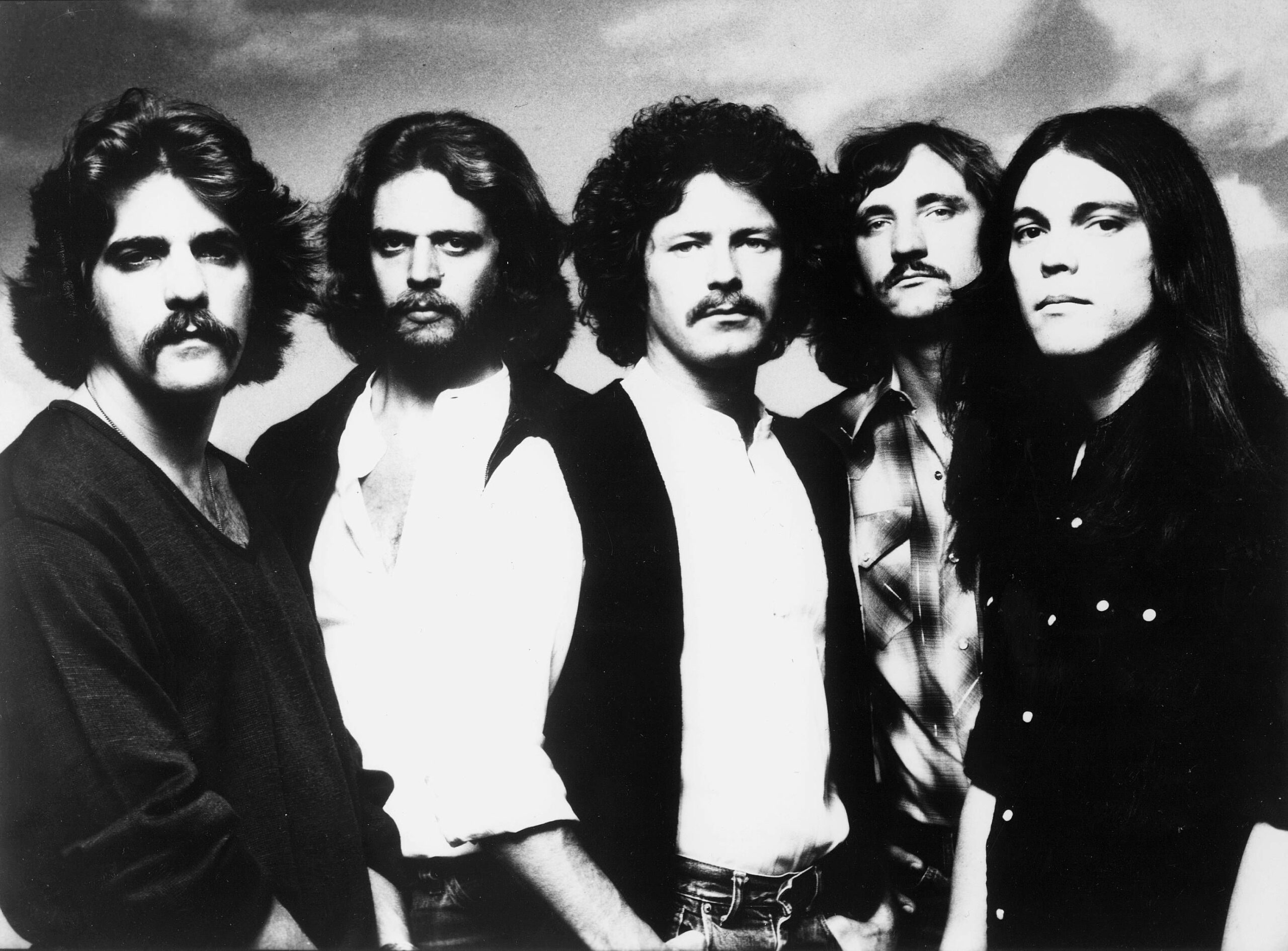
“New Kid in Town” is a velvet-smooth warning: love and fame can turn on you quietly, the moment a brighter smile walks into the room.
Released on December 7, 1976 as the first single from the Eagles’ monumental album Hotel California, “New Kid in Town” arrived with the kind of polish that can make you forget how uneasy it feels underneath. In the U.S., it debuted at No. 48 on the Billboard Hot 100 dated December 18, 1976, then rose to No. 1, with a documented peak chart date of February 26, 1977 (spending 11 weeks on the chart). In the UK, it first appeared in the singles chart in January 1977 (one early listing shows it new at No. 42), and it ultimately reached a peak of No. 20, charting for 7 weeks overall. And in a way that perfectly matches the song’s own message—admiration, then replacement, then admiration again—it went on to win a GRAMMY for Best Arrangement for Voices at the 20th Annual GRAMMY Awards.
That’s the public record: dates, peaks, trophies. The private record—the part that keeps people coming back—is the song’s soft paranoia, the way it smiles while it flinches.
The writing credits tell you why it cuts so cleanly: Don Henley, Glenn Frey, and J.D. Souther—three craftsmen of Southern California melancholy, turning insecurity into something you can hum on the freeway. The song’s earliest seed is wonderfully human: Souther had the chorus for about a year, knowing it sounded like a hit but not knowing what story could hold it. When the Hotel California writing sessions gathered, he played it for Frey and Henley, and the three of them finished the song together. You can almost picture it—three friends in a room, the chorus hanging in the air like a neon sign, waiting for the right shadow to fall across it.
And the shadow they chose was a double one. Henley has described the lyric’s dual meaning as both romantic and professional: it’s about the fickleness of love, and also the fickleness of fame—especially in the music business, where today’s sensation becomes tomorrow’s afterthought. That’s the genius of “New Kid in Town”: it doesn’t commit to one metaphor. It lets jealousy in the bedroom and jealousy in the charts share the same heartbeat. As Souther put it more bluntly in later recollections, they were writing about “our replacements”—the inevitable next act who will ride into town faster, younger, hungrier.
Musically, the track is a masterclass in the Eagles’ most dangerous skill: sounding comforting while delivering discomfort. Glenn Frey sings lead with a warmth that feels like friendship, while Henley shadows him in harmony, turning the chorus into a kind of communal sigh. Listen closely and you’ll hear how the band paints a whole emotional scene with instrumental choices: Randy Meisner plays guitarrón mexicano—a surprising, earthy thump that hints at “south-of-the-border” sadness—while Joe Walsh colors the edges with Fender Rhodes and organ, and Don Felder supplies the electric guitar sheen. Even the single’s physical pairing feels telling: it was backed with “Victim of Love,” as if the record itself wanted to admit the score behind the charm.
The meaning, in the end, isn’t simply “someone new shows up.” It’s the quiet terror of being adored conditionally. The song recognizes that applause can be a kind of weather—sunny until it shifts—and that romance can behave the same way: intense devotion, followed by that chilling moment when attention drifts to the next bright thing. That’s why it’s so haunting that the melody is so beautiful. “New Kid in Town” doesn’t rage about being replaced; it accepts the possibility with a weary elegance, like someone who has learned that dignity is sometimes the only thing you can keep.
And perhaps that’s the deepest nostalgia in it: not nostalgia for a decade, but for a feeling we all understand—the moment you sense you’re no longer the center of the room, and you try to smile anyway, because the band is still playing, the lights are still warm, and the truth is already walking in through the door.