 By Classic Oldies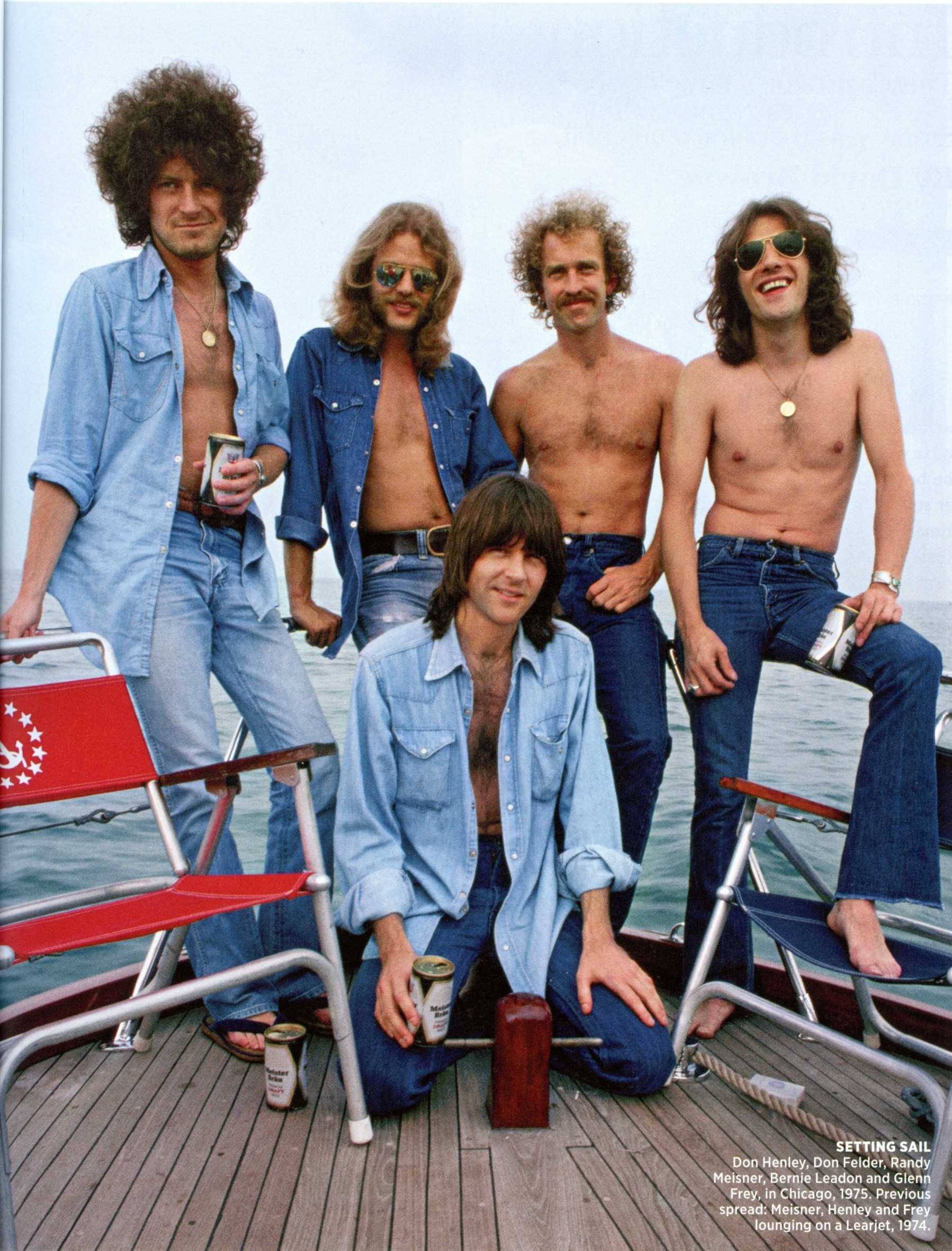
“Tequila Sunrise” is a soft-lit confession about the way loneliness teaches you to borrow bravery—one small “shot of courage” at a time, until morning arrives whether you’re ready or not.
Released on April 17, 1973, “Tequila Sunrise” was the first single from the Eagles’ second album, Desperado—a record that wasn’t an instant blockbuster, yet quietly defined the band’s emotional landscape: drifting men, late nights, and the uneasy romance of running out of road. On the U.S. charts, the single reached No. 64 on the Billboard Hot 100, and it also placed on Billboard’s adult-leaning radio formats (commonly listed as No. 26 on Adult Contemporary). Those numbers may look modest beside the Eagles’ later domination, but they tell an important truth: “Tequila Sunrise” wasn’t built as a “big moment.” It was built as a mood—one that listeners return to when the world feels too bright and the heart feels too tired.
The story behind the song is one of beginnings. Glenn Frey and Don Henley didn’t write together on the band’s debut album, but after finishing that first record, they decided to become a songwriting team—and in the first week of that partnership they wrote “Tequila Sunrise” (and “Desperado” as well). That detail matters because you can hear two writers discovering a shared language in real time: Frey’s instinct for a cinematic scene, Henley’s instinct for the line that makes the scene hurt. Frey recalled arriving at the core quickly—lying on a couch, finding a riff he described as “kinda Roy Orbison, kinda Mexican,” and realizing it wanted a story.
Even the title carries a very 1973 kind of honesty. It refers to the Tequila Sunrise cocktail, then popular—bright in color, sweet at first taste, and quietly dangerous in how easily it goes down. That’s not just bar-room decoration; it’s a metaphor you can feel on your tongue. And the lyric’s defining phrase—“take another shot of courage”—wasn’t chosen randomly. Henley later explained the idea plainly: tequila was known among them as “instant courage,” the kind you reach for when you want to talk to someone you admire but don’t quite have the nerve.
This is where the song’s meaning deepens beyond its gentle melody. “Tequila Sunrise” isn’t a celebration of drinking; it’s the tender psychology of self-medication—how a person tries to turn fear into charm, and heartache into something they can carry without falling apart in public. The narrator isn’t roaring; he’s drifting. He isn’t confessing to a grand tragedy; he’s admitting to a familiar one: waking up with the same ache, watching the same dawn, and realizing the world keeps moving while you remain caught in the loop of your own longing.
And the music—so deceptively warm—makes that loop feel almost beautiful. That’s one of the Eagles’ early miracles: they could wrap sadness in harmonies so smooth you didn’t notice the bruise until later. With Desperado they were leaning into an outlaw concept—men on the fringe, men trying to outrun consequence—and “Tequila Sunrise” becomes the “morning after” scene in that myth: the outlaw not in a gunfight, but at a table, staring into his glass, bargaining with himself for one more day of bravery.
Years later, it’s telling that the song remained beloved even though it wasn’t a Top 40 smash—so much so that when the band’s blockbuster compilation Their Greatest Hits (1971–1975) arrived, it was noted that “Tequila Sunrise” was the one single included that hadn’t made the Hot 100 Top 40. That feels perfectly in character: “Tequila Sunrise” has always been the quieter friend in the room—the one you don’t notice immediately, but whose words stay with you on the drive home.
In the end, “Tequila Sunrise” endures because it speaks softly about something enduringly human: the desire to be fearless, and the temptation to fake it. It’s the sound of a fragile dawn—beautiful, yes, but also merciless in its clarity. And if it still makes the chest tighten a little, it’s because the song understands what many of us learn too well: sometimes the hardest part of the night isn’t the darkness… it’s the morning.