 By Classic Oldies
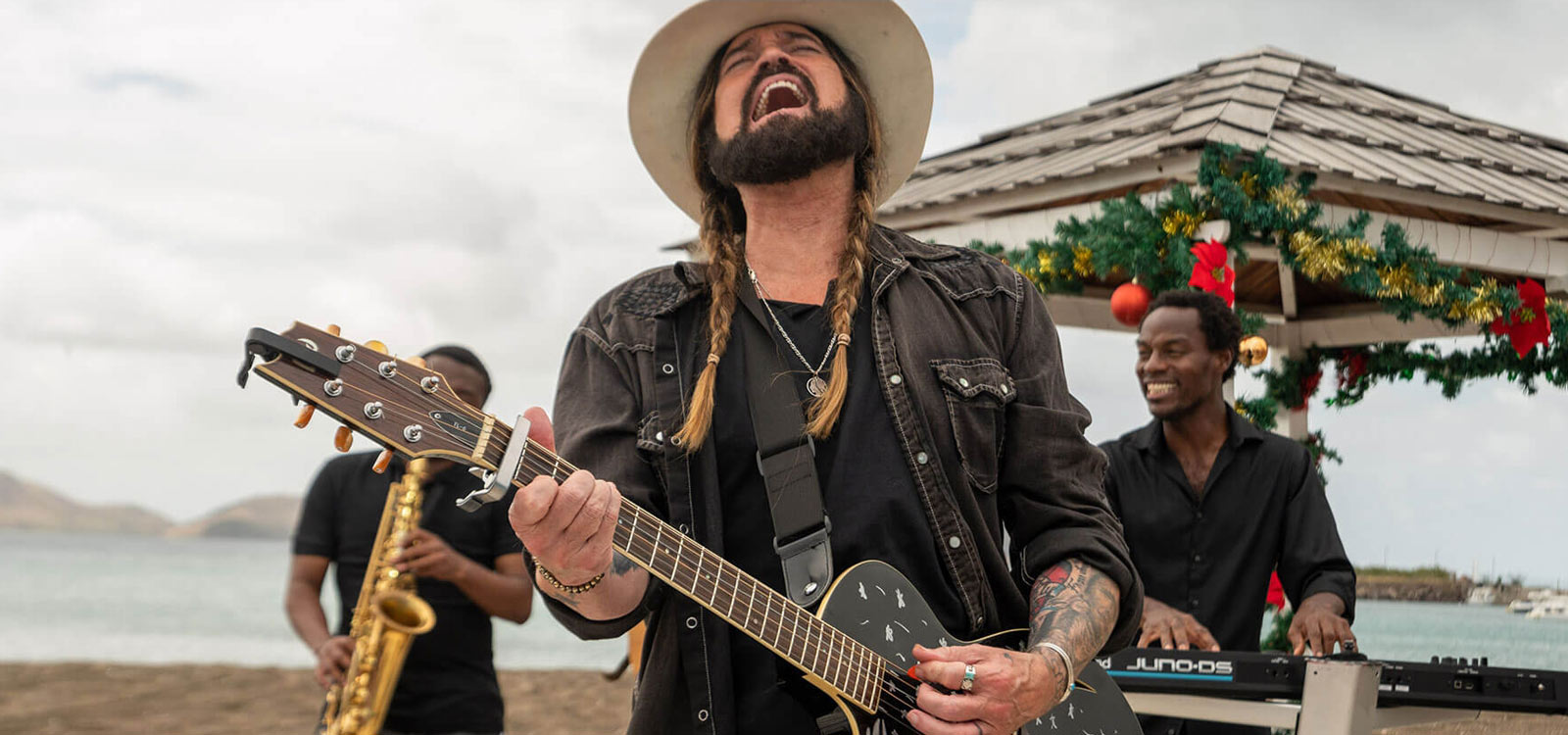
“Achy Breaky Heart” is a smiling dance-floor song with a bruise underneath—Billy Ray Cyrus turning heartbreak into motion, as if the body can outrun what the mind refuses to forget.
Released on March 23, 1992, “Achy Breaky Heart” was the debut single that introduced Billy Ray Cyrus to the wider world and set the tone for his debut album Some Gave All (released May 19, 1992). On the U.S. charts, it became a rare country-to-pop crossover: it peaked at No. 4 on the Billboard Hot 100 (with contemporary reporting noting it reached that peak by May 23, 1992) while also surging to No. 1 on Billboard’s Country Airplay chart, where it stayed for 10 weeks. In the UK, the song’s run had its own slow-burn drama—first charting on 25/07/1992, climbing to a peak of No. 3 on the Official Singles Chart. And in Australia, it didn’t merely succeed—it dominated, finishing No. 1 on ARIA’s Top 50 Singles of 1992, a vivid sign that this “simple” tune had become a worldwide reflex.
Those are the numbers. The deeper story—why it hit like it did—starts with the fact that the song was never born as a Billy Ray Cyrus vehicle at all. Songwriter Don Von Tress wrote it in 1990, originally under the title “Don’t Tell My Heart,” and it was first released in 1991 by The Marcy Brothers. That origin explains a lot: “Achy Breaky Heart” carries the shape of a barroom joke told with a straight face, the kind of humor that’s really just pain trying to keep its dignity. It’s heartbreak dressed up in plain language, stuffed with over-the-top warnings and comically specific threats—almost as if the singer knows that if he stops kidding around, the real grief will show its teeth.
When Billy Ray Cyrus recorded it (the standard references place the session in November 1991), the production kept the song direct and uncluttered—country-pop built for radio, yes, but also built for repetition, the way some feelings are. The melody circles like a thought you can’t turn off. The hook is insistently singable—so singable it becomes communal, and that’s where the cultural spark caught fire.
Because the truth is: “Achy Breaky Heart” didn’t just climb charts. It migrated into bodies.
The music video helped trigger a mainstream explosion of line dancing, and that visual—rows of people moving together, steps learned and passed along like folk tradition—became inseparable from the song’s identity. This is one of the great ironies of pop history: a song about a heart breaking became famous for making crowds feel united. Yet that’s exactly how people survive sadness—by giving it a rhythm, by transforming private ache into something shareable, almost cheerful. You can hear it in the song’s mood: it doesn’t wallow, it bounces. It refuses to grant sorrow the dignity of a slow tempo. Instead it turns pain into a grin you can dance through.
At the same time, the song’s success wasn’t just a fluke single; it pulled its album into record-book territory. Some Gave All went on to have a 17-week consecutive run at No. 1 on the Billboard 200, dated from June 13, 1992 to October 3, 1992—a staggering stretch for a debut artist. The album has also been widely reported as RIAA 9× Multi-Platinum in the U.S. In other words, “Achy Breaky Heart” wasn’t a single that briefly flared—it was the ignition point of an era.
And then came the complicated part: the backlash. That, too, is part of the song’s story, because a hit this large doesn’t merely become popular—it becomes a symbol that people argue about. A later retrospective captured how quickly the song jumped from novelty to phenomenon: No. 1 on Country Airplay by April 11, holding there for 10 weeks, and then reaching its Hot 100 peak of No. 4 by late May. When something spreads that fast, it stops belonging only to the artist and starts belonging to the culture’s mood—its hunger for fun, its suspicion of fun, and its habit of punishing what it can’t ignore.
That tension is exactly what gives “Achy Breaky Heart” its lasting meaning. Beneath the cartoonish phrasing is a very old emotional truth: heartbreak makes people say ridiculous things because dignity is hard to maintain when you’re unraveling. The song isn’t really about an “achy breaky heart” as a clever phrase; it’s about the desperate desire to keep the self from collapsing. It turns pain into a list of instructions—don’t do this, don’t do that—because instructions feel safer than emotions. And it turns abandonment into movement, because movement feels like control.
Looking back, it’s easy to hear why the song still endures in memory. The early ’90s were a moment when country music was expanding outward—toward pop visibility, stadium tours, global charts—and Billy Ray Cyrus arrived right at that hinge. “Achy Breaky Heart” became a door that swung open both ways: pop listeners walked into country, and country walked onto pop’s biggest stages. The song even drew major industry attention at the time, with Grammy nominations tied to the phenomenon surrounding that debut era.
In the end, “Achy Breaky Heart” remains what the best pop hits often are: a simple surface with complicated human weather underneath. It’s the sound of someone trying to laugh while hurting, and the sound of a world briefly agreeing—on dance floors, in living rooms, on summer radios—that sometimes the kindest thing you can do for a broken feeling is to give it a beat and let it move.