 By Classic Oldies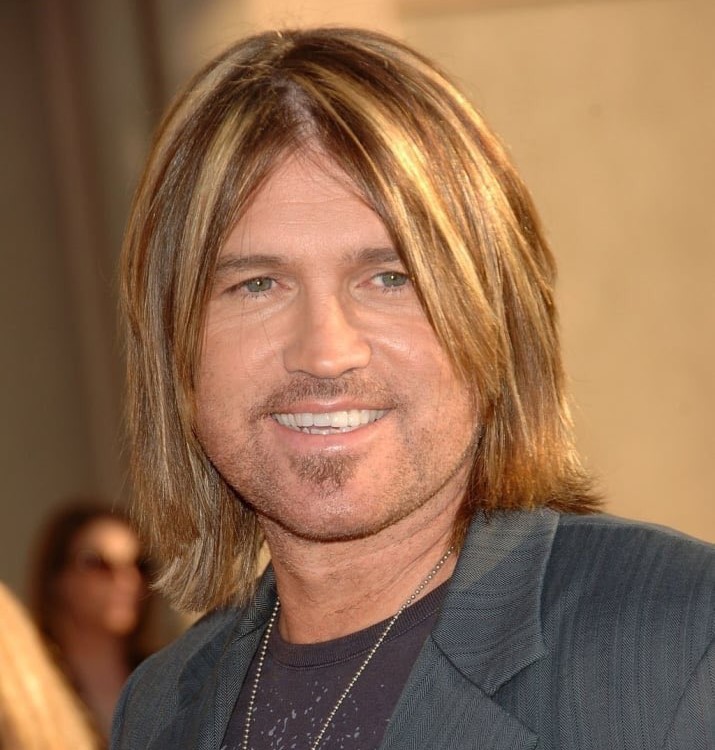
“Some Gave All” is a country prayer for the unseen cost of freedom—where gratitude isn’t a slogan, but a quiet, heavy awareness that not everyone comes home.
The title says it in a single breath, and Billy Ray Cyrus never needed to ornament it: “Some Gave All” was written as a tribute to military sacrifice, and it carried enough emotional gravity that it didn’t require a conventional “hit single” rollout to be heard. In fact, the song was not originally released as a standard commercial single, yet it still charted to No. 52 on Billboard’s Hot Country Songs through unsolicited airplay—the kind of slow, respectful radio embrace that tends to arrive around remembrance holidays, when listeners are in no mood for gimmicks. MusicVF logs that chart run with a debut date of June 13, 1992, peaking at No. 52.
The song’s home is equally important: it’s the title track of Cyrus’s blockbuster debut album Some Gave All, released May 19, 1992 on Mercury, produced by Joe Scaife and Jim Cotton. The album’s commercial story became historic—a 17-week consecutive run at No. 1 on the Billboard 200, cited by Billboard as the longest continuous No. 1 run for a country album and for a debut album in that context. It’s one of those rare moments where an artist is everywhere at once—radio, TV, magazine covers—yet “Some Gave All” sits slightly apart from the frenzy, like a framed photograph in a loud room.
The story behind the song is quietly human, and—tellingly—Cyrus has recounted it more than once with the same essence, even when small details shift. In a June 11, 1992 Los Angeles Times interview, he said he wrote the song in 1989 after meeting a Vietnam veteran named Sandy Cane at a club called the Ragtime Lounge. In a July 27, 2007 CNN interview transcript, he again placed the writing in 1989, describing the song as inspired by a Vietnam veteran he named Harold Shed—a man who, in Cyrus’s telling, listened as he played the song and helped validate its purpose. Meanwhile, GQ reported a version of the origin in which a Vietnam veteran told him a line that became the song’s anchor: “All gave some, but some gave all.”
That anchor line is the song’s emotional spine, because it doesn’t “argue”—it simply remembers. The phrase holds two truths at once: the shared burden of service and the singular weight of loss. It also does something country music does exceptionally well when it’s at its most honest: it avoids abstraction. There’s no grand political speech inside “Some Gave All.” Instead, there’s the moral clarity of a kitchen-table statement, the kind you repeat because it helps your heart put things in order.
Musically, the track lives in a restrained, almost reverent space. It isn’t built like a party record, and it doesn’t chase the novelty that made “Achy Breaky Heart” unavoidable. That difference matters. A novelty can date itself to a season; a hymn-like tribute tends to return every year, as if the calendar itself keeps calling it back. Even writers who note that the song wasn’t pushed as a single still emphasize how it found its way onto the charts through airplay—as if radio programmers and listeners treated it less like “content” and more like an obligation of respect.
The deeper meaning of “Some Gave All” is not merely patriotism. It’s the ethics of gratitude—the uncomfortable recognition that ordinary life (the safe drive home, the laughter at a ballgame, the quiet of a Sunday morning) is partly made possible by other people’s risk, other people’s absence, other families’ empty chairs. That’s why the song still lands with force decades later: it asks you to look at what you have, then to remember what it cost someone else.
And perhaps that’s the most enduring thing Billy Ray Cyrus accomplished with “Some Gave All”: he wrote a song that doesn’t need the spotlight to matter. It can play softly—on a radio turned down, in the background of a long drive, or in the hush of a living room—and still leave the same aftertaste: a sober appreciation, and the quiet, lasting ache of names we never got to know.