 By Classic Oldies

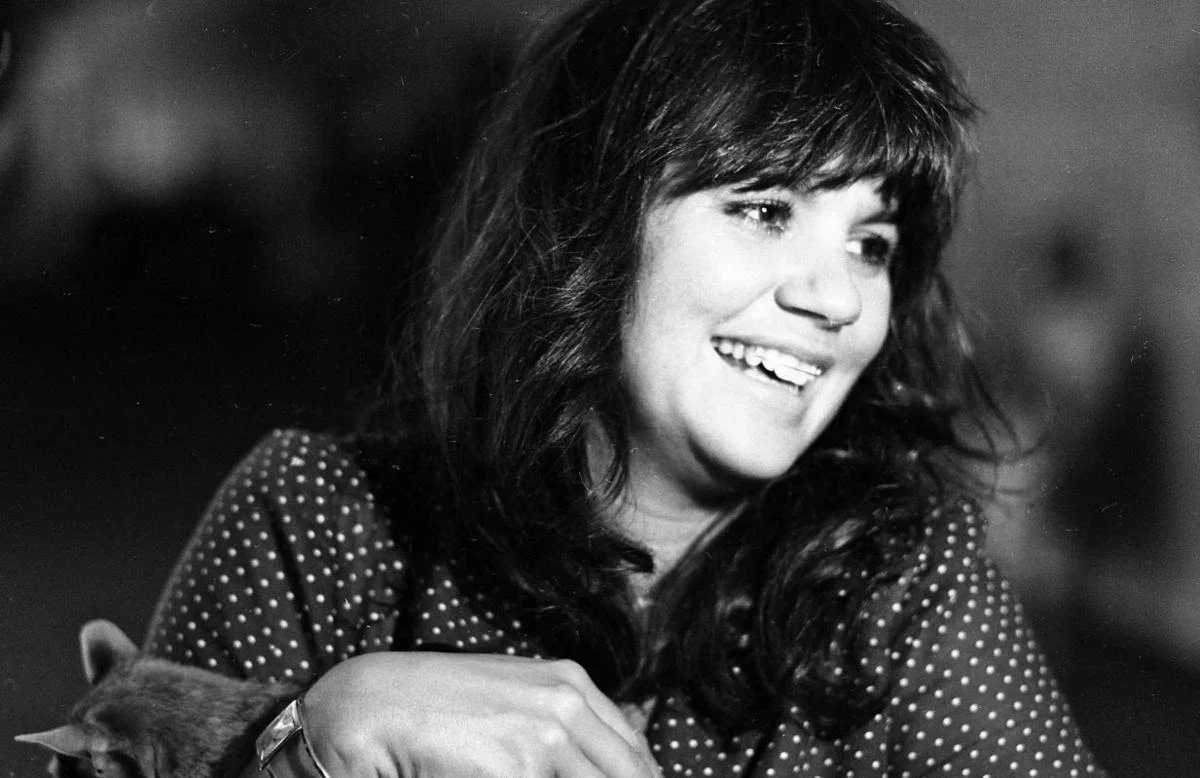
“Blue Bayou” is a homesick prayer in pop clothing—Linda Ronstadt singing for the one place (and one person) that still feels like “home,” even after life has pulled her far away.
If you want the hard facts up front, “Blue Bayou” (written by Roy Orbison and Joe Melson) became one of Linda Ronstadt’s defining recordings when she released it as a single on August 23, 1977, from her album Simple Dreams (album release: September 6, 1977). In the U.S., Ronstadt’s single debuted on the Billboard Hot 100 at No. 84 with a debut chart date of 09/10/77, before climbing to a peak of No. 3 later that year. That climb mattered because it wasn’t a narrow-format success: the song also reached No. 2 on Billboard’s country chart and No. 3 on Billboard’s Easy Listening (Adult Contemporary) chart, proving how naturally Ronstadt could “live” inside multiple musical languages at once. And across the Atlantic, it later entered the UK singles chart on 28/01/1978, peaking at No. 35.
But “Blue Bayou” is bigger than its numbers, because it’s a song that doesn’t chase you—it follows you. The lyric’s emotional engine is simple and quietly devastating: a narrator who’s left someone behind, living with the ache of it every day, scraping together small change and small courage, dreaming of returning to a place that represents safety, forgiveness, and belonging. (That’s the genius: the “bayou” isn’t only geography. It’s the emotional homeland where the heart still believes it will be received.)
The story begins before Ronstadt, of course. Roy Orbison recorded the song in the early 1960s and released it in 1963 (in the U.S., it appeared as the B-side to “Mean Woman Blues”), and it became a notable chart entry in its own right. Yet Ronstadt didn’t treat Orbison’s version like a museum piece. She treated it like a living room she could walk into—carefully, respectfully—then rearrange the light.
That’s where her artistry shows: she doesn’t out-sing the song so much as inhabit its loneliness. This is not the kind of heartbreak that explodes; it’s the kind that sits in the corner and keeps you company. And because Ronstadt had the rare ability to be powerful without being loud, she lets the line between strength and vulnerability blur. You can hear a woman who knows she made a choice to leave… and also knows that the mind can travel back nightly, regardless of what the body decided.
The recording details add a bittersweet little layer of fate. On the Ronstadt version, Don Henley of the Eagles is credited with background vocals—a small Laurel Canyon fingerprint on a song that feels like a postcard from somewhere humid and far away. The single’s B-side was “Old Paint,” and the release carried the Asylum catalog identity that collectors still recognize.
And then there’s the album context that turns “Blue Bayou” into an era-defining moment. Simple Dreams didn’t just do well; it ruled the season—spending five consecutive weeks at No. 1 on the Billboard album chart in late 1977. In fact, the album’s success was so massive that Ronstadt held two top-five singles at the same time: “Blue Bayou” (Top 5) and “It’s So Easy” (also Top 5). That kind of mainstream dominance can sometimes flatten a song into a “hit,” something shiny you’re supposed to remember. Yet “Blue Bayou” resists that flattening. It still feels personal—like it was recorded for one listener sitting alone at dusk.
Its meaning deepens when you listen to how it treats time. This is not the youthful fantasy of “everything will be fine.” It’s the adult promise: I’ll come back when I can. The singer’s hope is disciplined—grounded in work, in saving, in enduring. There’s a quiet dignity in that. The song doesn’t romanticize running away; it romanticizes returning. In a world that often celebrates escape, “Blue Bayou” dares to say that going back—back to love, back to tenderness, back to the place you can finally exhale—might be the bravest journey of all.
No wonder the song’s legacy is lined with recognition. Ronstadt’s performance of “Blue Bayou” earned major Grammy attention (including Record of the Year recognition connected to the Simple Dreams era), and it has long been cited as one of her signature recordings. It even gained later industry confirmation through certifications and enduring catalog life—proof that this wasn’t just a momentary radio romance.
In the end, Linda Ronstadt makes “Blue Bayou” feel like a confession whispered on a long drive, somewhere between the life you built and the life you left behind. It’s the sound of longing with good manners—aching, steady, and astonishingly human. And maybe that’s why it never really stops charting in the private places where it counts most: the quiet hours, the memories, the unspoken wish to go “home,” whatever that word means to you now.