 By Classic Oldies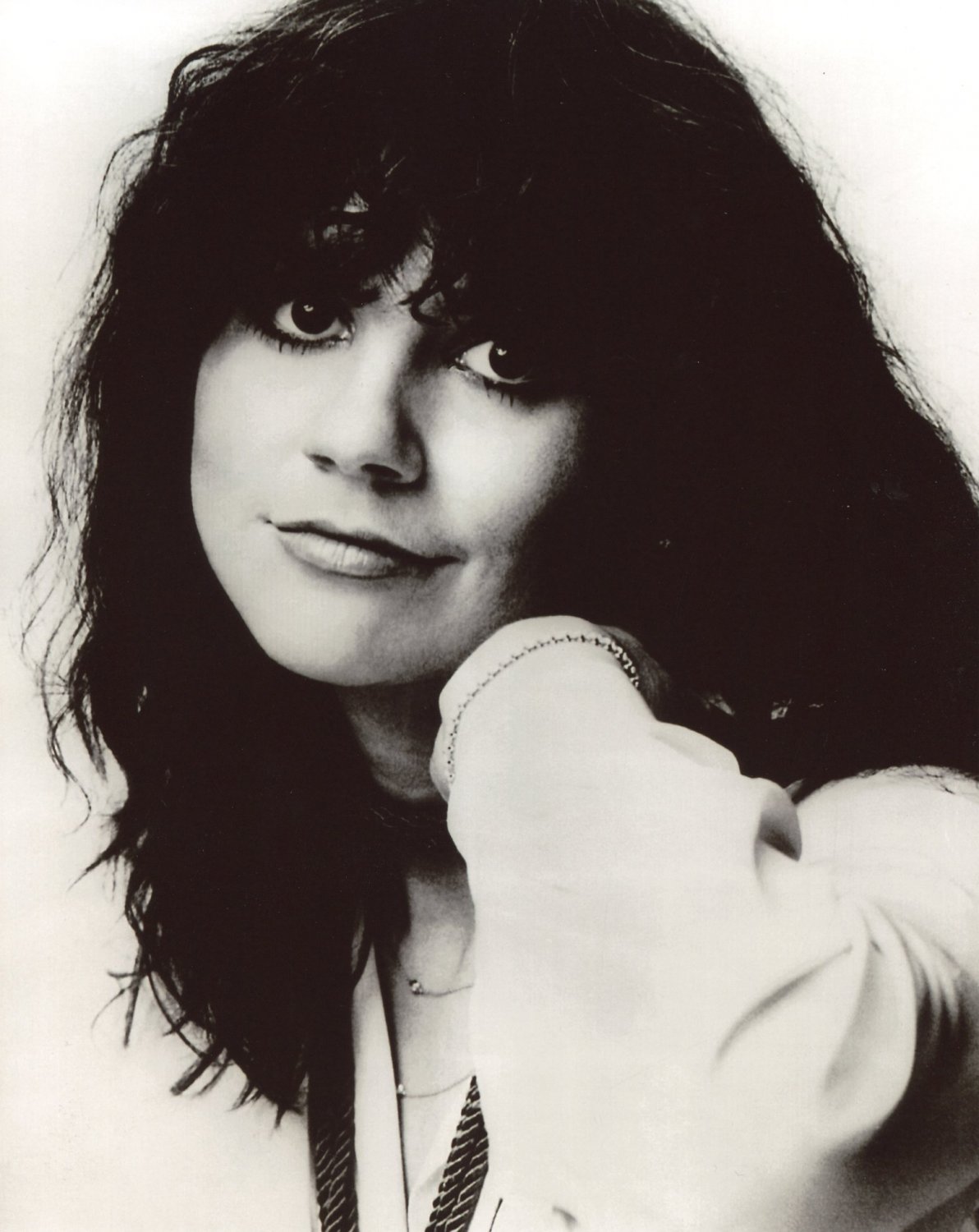
“When Will I Be Loved” is the ache of waiting given a bright, brave melody—Linda Ronstadt turning loneliness into something you can sing through.
The essential facts deserve to sit right at the top, because they explain why “When Will I Be Loved” still feels so immediate: Linda Ronstadt released her version in March 1975 as the second single from Heart Like a Wheel (released November 19, 1974), and it became one of the defining hits of her breakthrough era. On the charts, it climbed to No. 2 on the Billboard Hot 100, reached No. 3 on Billboard’s Adult Contemporary chart, and—beautifully, tellingly—hit No. 1 on Billboard’s Hot Country Songs.
That three-way success matters. It tells you this performance didn’t live in one musical room. It walked easily between pop radio, country stations, and the softer, late-night frequency of adult contemporary—because the feeling at its center is universal: the weary, hopeful question of how long must a heart wait before it’s chosen back?
The song itself began life as a smaller, sharper jewel. Phil Everly wrote “When Will I Be Loved,” and The Everly Brothers took it to the Top 10 in 1960 (peaking at No. 8 on the Hot 100). In the Everlys’ hands, it’s youthful longing—clean lines, quick pulse, that bittersweet brightness they did better than almost anyone. Ronstadt doesn’t erase that brightness; she strengthens it. But she also adds something else: a grown-up steadiness, a sense that the narrator isn’t merely impatient—she’s been disappointed enough times to recognize the pattern, yet she’s still daring to ask.
To understand the “behind the song” story, you have to remember where Ronstadt stood in late 1974 and early 1975. Heart Like a Wheel was released by Capitol Records even though Ronstadt had already moved to Asylum Records—a contract-threads reality that could have made the album feel like an obligation. Instead, it became a life-changer: the album reached No. 1 on the Billboard 200, her first to do so, and it did it with a kind of emotional range that made her sound not just popular, but inevitable. Producer Peter Asher gave her songs that fit like tailored clothing—country-rock muscle, pop clarity, and space for that voice to carry both steel and tenderness.
And then comes “When Will I Be Loved”—a song that, on paper, is simple. But simplicity is exactly where Ronstadt’s artistry hits hardest. She sings the title line with a bright insistence that never quite turns into bitterness. The rhythm moves with a confident, road-ready drive—more bandstand than bedroom—so the song doesn’t collapse into self-pity. That’s the magic trick: the narrator is lonely, yes, but not powerless. She is asking a question, but she’s also drawing a boundary. She’s saying: I know what I deserve. I’m done settling for half-love.
There’s also a subtle emotional paradox in the track that only gets sweeter with time. The melody is buoyant, almost sunlit, while the lyric is a bruise you try not to press. That contrast is why the record lasts. Life often feels exactly like that: you smile through uncertainty, you keep your hair brushed and your day moving, while one private question keeps tapping at the inside of your ribs. Ronstadt understands that kind of quiet endurance. She doesn’t dramatize it—she dignifies it.
In the larger Ronstadt story, “When Will I Be Loved” is a hinge. It helped cement her reputation as an interpreter who could take a beloved older song and make it feel newly alive—faithful to its bones, but re-lit from the inside. It also proved that her success wasn’t going to be limited to one sound or one audience. Pop loved her, country welcomed her, and the middle-of-the-night listener kept her close.
When you hear it now, it’s hard not to feel the era around it—the warmth of analog radio, the soft grain of vinyl, the sense that songs could be both sturdy and intimate. Linda Ronstadt doesn’t just sing “When Will I Be Loved”—she gives it a backbone. She turns a pleading question into a clear-eyed vow: I will keep hoping, but I won’t keep shrinking. And maybe that’s why the song still meets people where they live. Because beneath the harmonies and the bright tempo, it isn’t really asking for a miracle.
It’s asking for something rarer: something real.