 By Classic Oldies
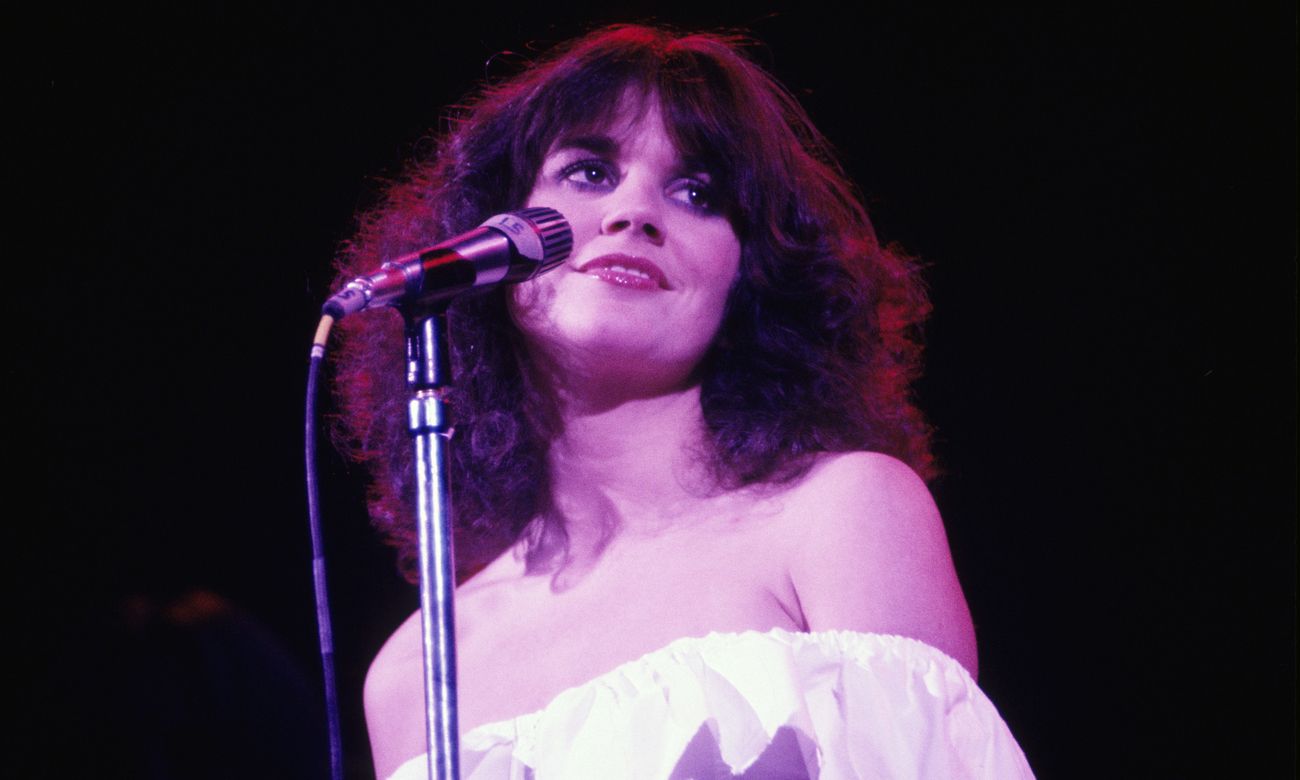
“Winter Light” is a song about the kind of love that doesn’t blaze—it endures, quietly, like daylight that arrives late but still makes the whole room feel possible.
In the long arc of Linda Ronstadt’s career—so often celebrated for its bold turns, its genre-crossing nerve, its sheer vocal authority—“Winter Light” feels like a different kind of triumph: not the roar of a chorus meant to conquer radio, but the hush of an artist choosing intimacy over impact. The track appears as the closing song on her 1993 album Winter Light (released November 23, 1993 on Elektra), a record Ronstadt co-produced with George Massenburg after years of working with Peter Asher as her primary studio partner. That change behind the boards matters. You can hear it in the air around the vocal: the sound is more gauzy, more inward, less “hit-making” and more cinematic—like the camera has moved closer to the face so you can finally read the eyes.
“Winter Light” (the song) is credited to Eric Kaz, Linda Ronstadt, and Zbigniew Preisner, and it runs about 3:17—brief, but emotionally spacious. Preisner’s presence is a quiet clue to the song’s temperament: he’s a composer known for music that carries a kind of luminous melancholy, the feeling of beauty filtered through distance. Pair that with Kaz’s songwriter’s tenderness and Ronstadt’s gift for making a lyric sound lived-in, and you get a track that doesn’t aim to impress. It aims to stay with you.
In terms of “ranking” at release, this is one of those Ronstadt songs whose importance is deeper than its chart footprint. The album Winter Light peaked at No. 92 on the Billboard 200—a modest showing by Ronstadt standards, especially for an artist who had once treated the Top 10 like familiar territory. The title track was issued in the period as part of the album’s single campaign (the record’s lead single was “Heartbeats Accelerating”), but “Winter Light” itself didn’t become a defining radio hit. And somehow, that suits it. This song isn’t built for the noisy world. It’s built for the hour when the world finally quiets down.
The story behind “Winter Light” is also bound up with a particular kind of 1990s Ronstadt: an artist still curious, still restless, still willing to make a beautiful record even if it didn’t fit the marketplace’s expectations. By the early ’90s she had already taken major stylistic journeys—standards with Nelson Riddle, Mexican and Spanish-language projects, collaborations that startled people who thought they had her “category” pinned down. Winter Light continued that independence: it blended adult pop, a new-age sheen, and richly arranged emotional storytelling. And the title track sits at the end like a final line in a letter you fold carefully before sealing—quiet, deliberate, and meant for someone specific.
There’s also a film-shaped afterglow to the song’s legacy. “Winter Light” was prominently used in the 1993 film The Secret Garden—a story steeped in loss, renewal, and the slow return of color to a life that has gone gray. That pairing feels almost inevitable: the song itself carries that same emotional physics, where warmth doesn’t arrive as fireworks but as something gradual—something you notice only after it’s already changed you.
What does the song mean, in Ronstadt’s voice? It’s not simply seasonal imagery. “Winter light” is a metaphor for love after innocence—love that has survived disappointment, love that understands shadows and still chooses to illuminate. Winter light is thin and slanted; it doesn’t flatter. It reveals. And Ronstadt sings like someone who isn’t asking to be rescued by romance, but steadied by it—like someone who has learned that the most precious comfort is the kind that doesn’t demand a performance in return.
Vocally, she’s remarkable here precisely because she refuses the obvious display. Ronstadt had the kind of instrument that could bowl you over on command, but in “Winter Light” she chooses a softer truth: phrasing that feels spoken, breath that feels close, emotion that doesn’t push. It’s the sound of a singer trusting the listener to lean in, rather than trying to pull the listener closer with force. The effect is quietly devastating—like reading an old note and realizing the handwriting still knows your name.
If you come to “Winter Light” looking for the classic Ronstadt “moment,” you may miss it at first. But if you come with patience—if you let the song unfold the way winter light unfolds, slowly, honestly—you’ll hear why it matters. It’s a late-career gem that speaks in a lower voice: about endurance, about tenderness that doesn’t shout, about beauty that arrives when you thought the day might never warm again.
And when it ends, it doesn’t leave you with triumph. It leaves you with something rarer: a gentle clarity—like the last light on a cold afternoon, reminding you that even the faintest brightness can still be enough to guide you home.