 By Classic Oldies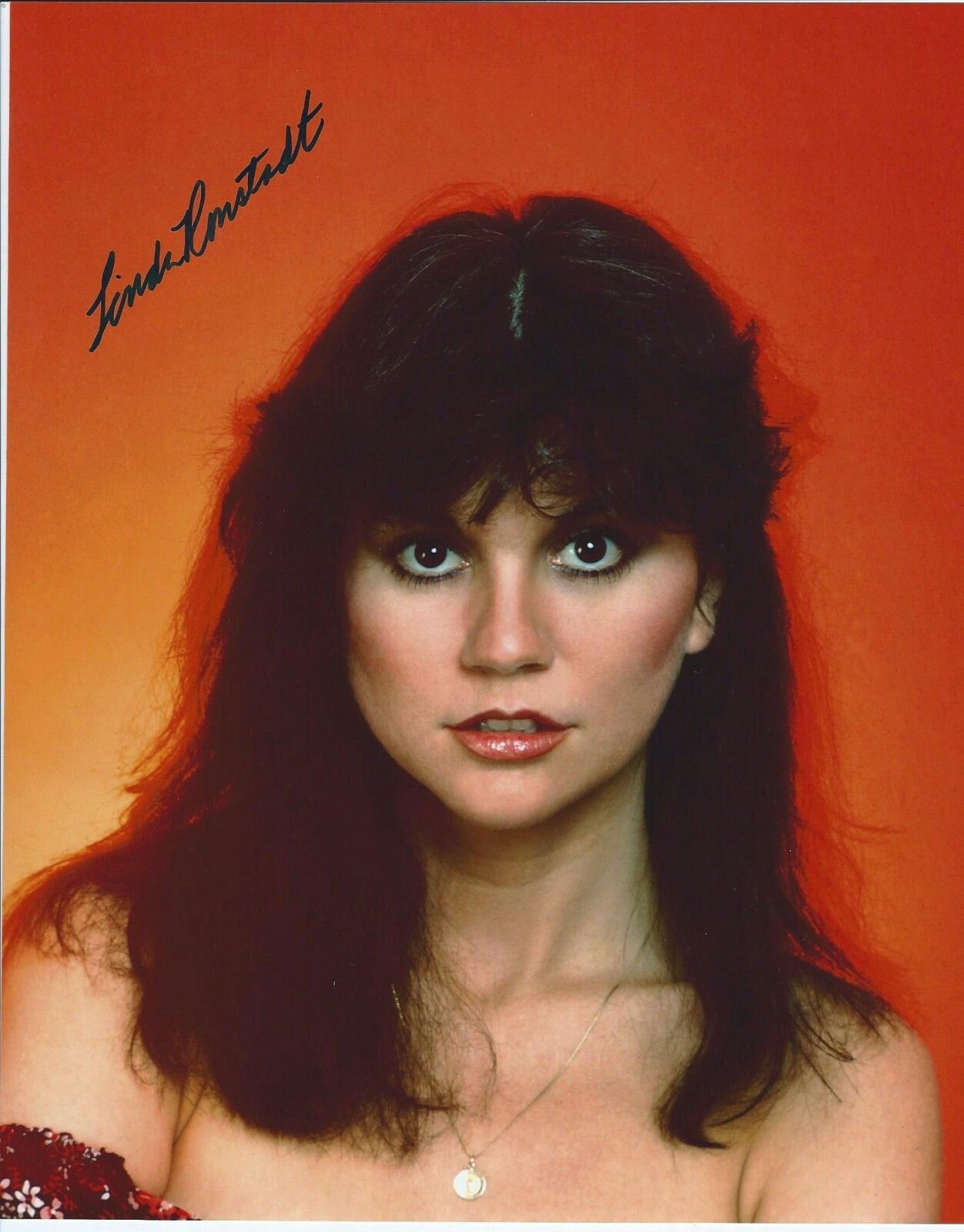
“Hurt So Bad” is the sound of pride cracking open—a plea so raw it turns heartbreak into a kind of fierce honesty.
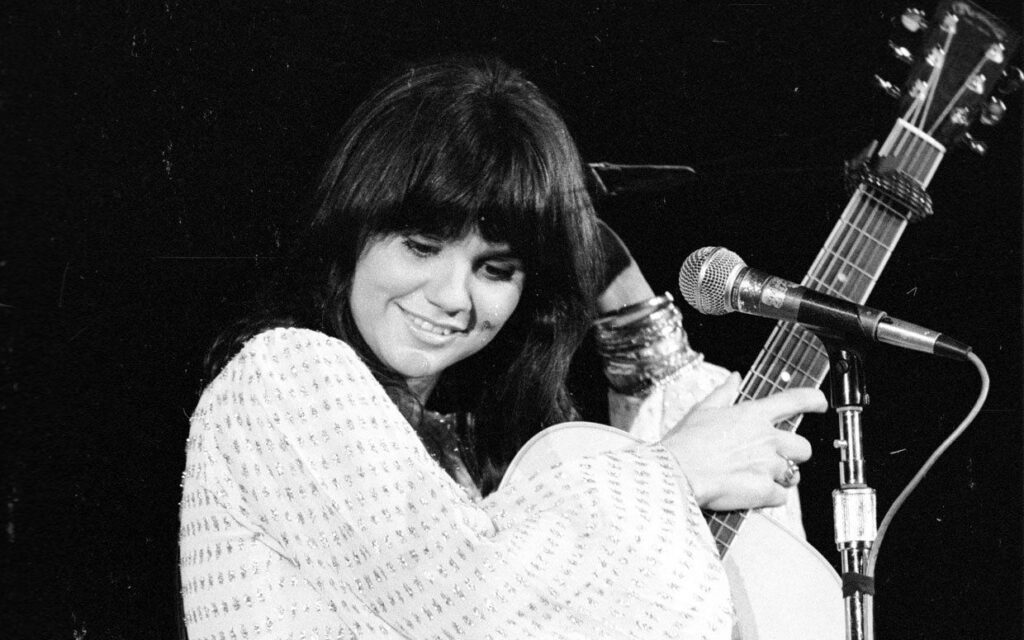
The numbers tell you how quickly Linda Ronstadt’s version landed like a truth you couldn’t talk your way around. “Hurt So Bad” debuted on the Billboard Hot 100 at No. 46 on April 12, 1980, then climbed steadily until it peaked at No. 8 (visible on the Hot 100 week of June 7, 1980). It was issued as the second single from her 1980 album Mad Love, produced by Peter Asher for Asylum Records—an album released February 26, 1980 that famously captured Ronstadt leaning into the sharper air of late-’70s/early-’80s rock and new wave without losing the emotional center that had always made her unmistakable.
And there’s a bittersweet footnote that deepens the song’s glow: Ronstadt’s “Hurt So Bad” is widely cited as her final Top 10 Hot 100 hit as a solo artist—not a decline, but the end of one particular kind of pop chapter, right as she kept evolving into new ones.
But the song itself is older than 1980—older than the studio sheen, older than the MTV era waiting at the door. “Hurt So Bad” was written by Teddy Randazzo, Bobby Weinstein, and Bobby Hart, and first became a major hit with Little Anthony & the Imperials, whose original single was released in late 1964 and reached the Billboard Hot 100 Top 10. That original is classic New York soul-pop melodrama done right: a voice pleading so hard it almost shakes, the kind of record that makes you believe the singer is standing in the street in the rain even if the session was warm and dry.
So why did Ronstadt return to it?
Because she understood something subtle: some songs don’t age—they simply change what they reveal depending on who sings them. By 1980, Ronstadt had already proven she could dominate pop radio. What Mad Love shows is that she also wanted to stay restless, to resist becoming a “greatest hits” version of herself. In that context, “Hurt So Bad” becomes a kind of bridge between eras: an old-school pleading ballad delivered with a more modern, tauter intensity. Wikipedia’s summary even captures the feel in a phrase—calling her take a “dark, breathless remake”—and notes the presence of Danny Kortchmar’s guitar solo, a detail you can practically hear as a knife-flash of emotion in the middle of the track.
The deeper story, though, isn’t about fashion. It’s about how Ronstadt sang heartbreak differently from almost anyone.
Where many singers make sorrow decorative—turning it into perfume—Ronstadt makes sorrow functional. She sings like someone who has already tried every defense: dignity, silence, pretending it doesn’t matter. And now, with no patience left for pretending, she chooses the one thing that feels honest: saying “come back” out loud, even if it costs her pride. That’s the emotional core of “Hurt So Bad”: the humiliating courage of wanting someone who might not deserve the wanting. The title itself feels almost too plain—three words, no poetry—but that plainness is exactly the point. Heartbreak doesn’t always arrive with beautiful language. Sometimes it arrives as a blunt physical sensation, like a bruise you keep pressing just to confirm it’s real.
Ronstadt’s vocal performance sits right in that bruise. She doesn’t tiptoe around the lyric; she leans her weight into it. There’s steel in the tone, but not coldness—more like self-control fighting a losing battle against feeling. And that conflict is what makes the record so replayable: you can hear the exact moment composure begins to crack, the exact moment yearning pushes through the ribs. It isn’t simply “sad.” It’s alive with the messy, human contradiction of regret—knowing you should walk away, yet still standing there, asking.
In the end, the chart story—No. 46 to No. 8—matters because it proves how many people recognized themselves in that conflict in the spring of 1980. But the song’s true staying power is quieter than numbers. “Hurt So Bad” endures because it doesn’t promise healing. It simply tells the truth about the hours before healing: the ones where you remember too much, forgive too fast, and still—against your better judgment—hope the door will open.