 By Classic Oldies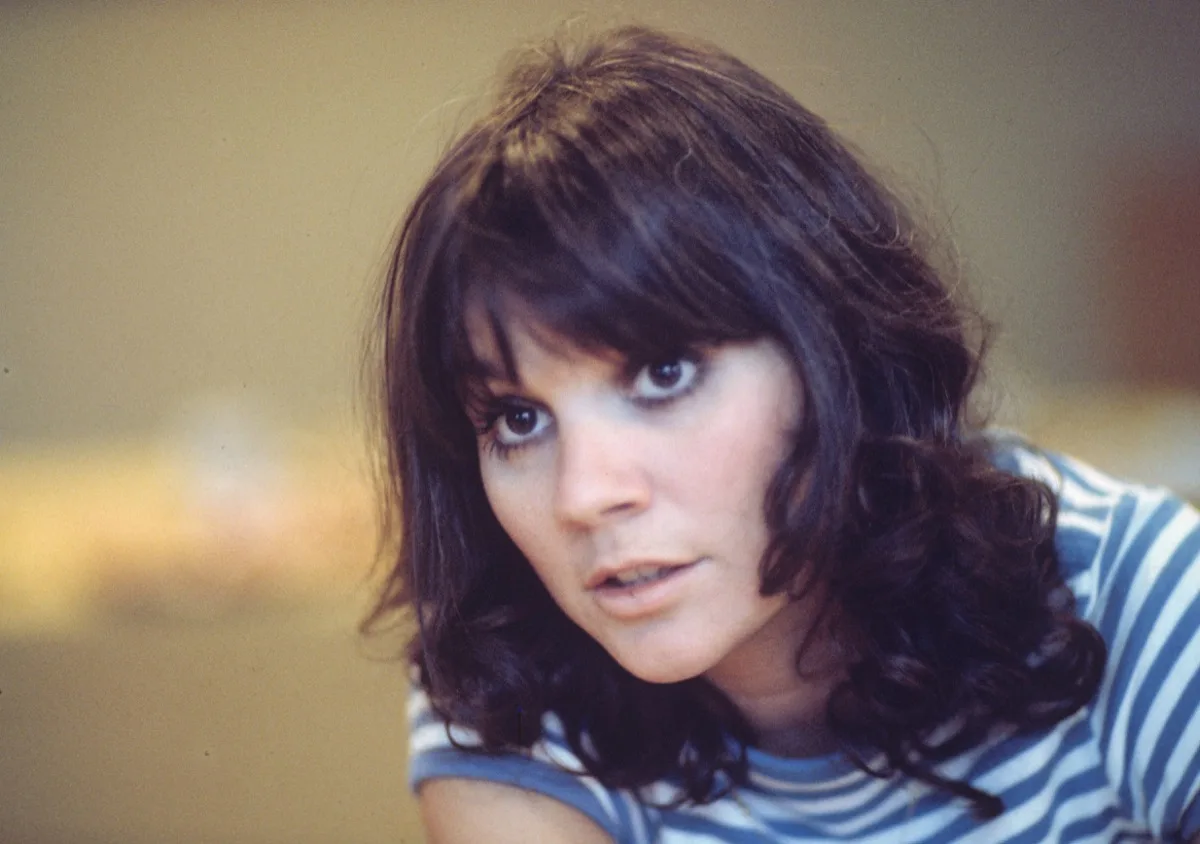
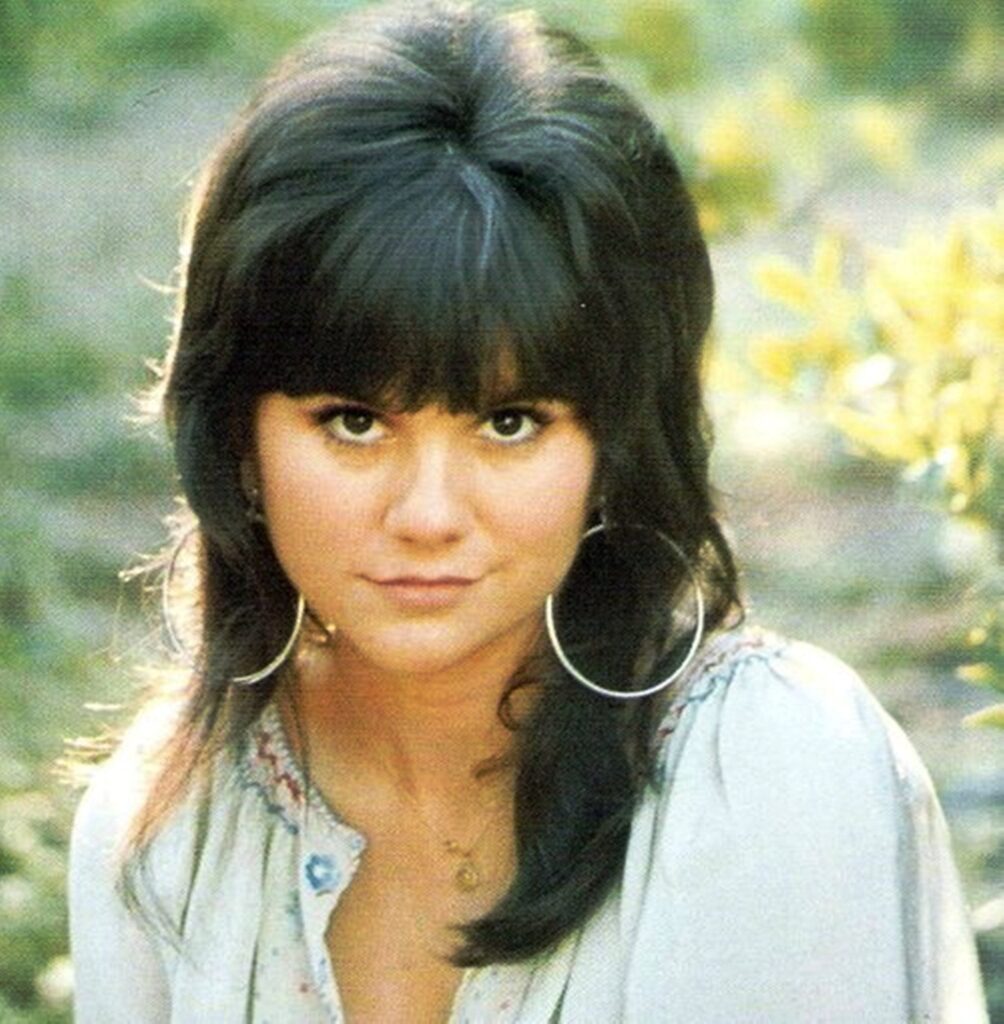
“Different Drum” is a gentle declaration of independence—a love song that refuses to “settle down,” choosing honesty over comfort and freedom over habit.
Linda Ronstadt first stepped into the national spotlight with “Different Drum” in the fall of 1967, and the numbers tell the story of a sudden door opening. Released by Capitol Records in September 1967 and credited to The Stone Poneys (often billed as The Stone Poneys Featuring Linda Ronstadt), the single debuted at No. 90 on the Billboard Hot 100 (chart date November 11, 1967) and ultimately peaked at No. 13. It was Ronstadt’s first real hit—modest enough to feel earned, big enough to change the course of a young career overnight.
What made that breakthrough so striking is that the song itself isn’t a conventional “please stay” plea. “Different Drum” was written by Mike Nesmith (years before he became famous with The Monkees), and its central idea is almost disarming in its calm: two people can care for each other deeply, yet still want different lives. In the lyric, one lover wants roots and routine; the narrator—now voiced by Ronstadt—wants motion, space, the right to remain her own person. Even the title feels like a quiet shrug that turns into a life philosophy: you can’t ask someone to stop hearing their own rhythm.
The behind-the-scenes story is the kind that reminds you how hits are often accidents shaped by strong opinions. The Stone Poneys were, at heart, an acoustic-leaning folk trio, and Ronstadt herself had largely been singing harmony parts. She wanted a song that let her sing lead—something with a spine. She heard an earlier recording and knew she’d found it, but producer Nick Venet pushed the arrangement away from a simple folk ballad and toward a more upbeat folk/rock sound with a baroque-style harpsichord bridge. That distinctive keyboard figure—played by Don Randi, a key figure in L.A.’s session world—became the song’s wink of sophistication, a swirl of ornament that somehow makes the emotional message feel even more self-possessed.
In a delicious twist of pop fate, Nesmith had reportedly offered the song to the Monkees’ powers-that-be early on and was turned down—“not a Monkees tune,” as the story goes—only for it to become a hit anyway once Ronstadt sang it. That’s one of those industry moments that almost feels moral: a good song finds its voice, even if it has to take the long way around.
Ronstadt’s version also makes a small but meaningful lyrical adjustment—shifting the perspective so the narrator speaks as a woman (famously swapping “girl” for “boy”), which changes the emotional temperature without changing the song’s fundamental truth. Coming at the end of the 1960s, that stance—I like you, but I won’t shrink to fit you—landed with unusual force. Later listeners often heard it as an early “self-determination” statement, even though that wasn’t necessarily the original intent; the song simply told the truth of incompatible desires, and the era did the rest.
You can feel why “Different Drum” endures: it doesn’t demonize anyone. There’s no grand betrayal, no villain in the room—just a slow realization that affection and alignment are not the same thing. The narrator doesn’t slam the door; she explains, almost kindly, that staying would cost her something essential. That’s what makes the song so poignant with age: it captures the moment you choose the harder honesty. Not because you don’t feel, but because you do.
And if you listen closely, you can hear the future inside it. The clarity of Ronstadt’s voice—bright, direct, emotionally unafraid—already suggests the artist she would become. “Different Drum” wasn’t merely a hit; it was a calling card: a young singer stepping forward and saying, in effect, I’ll sing the truth, even when the truth is complicated.