 By Classic Oldies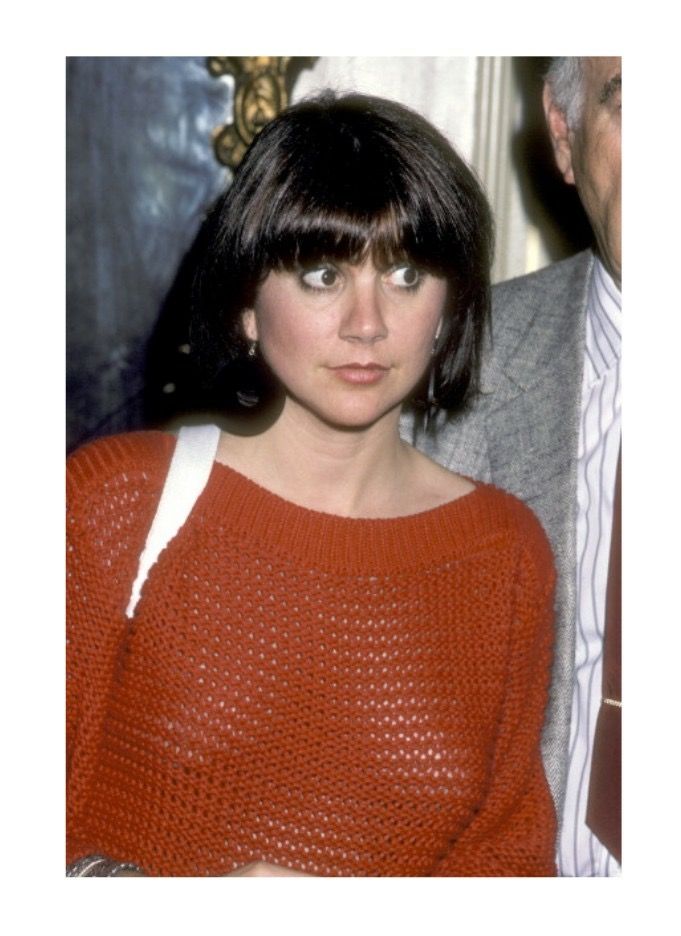
“(I Love You) For Sentimental Reasons” is a love song that doesn’t shout—it remembers, and in remembering, it becomes quietly overwhelming.
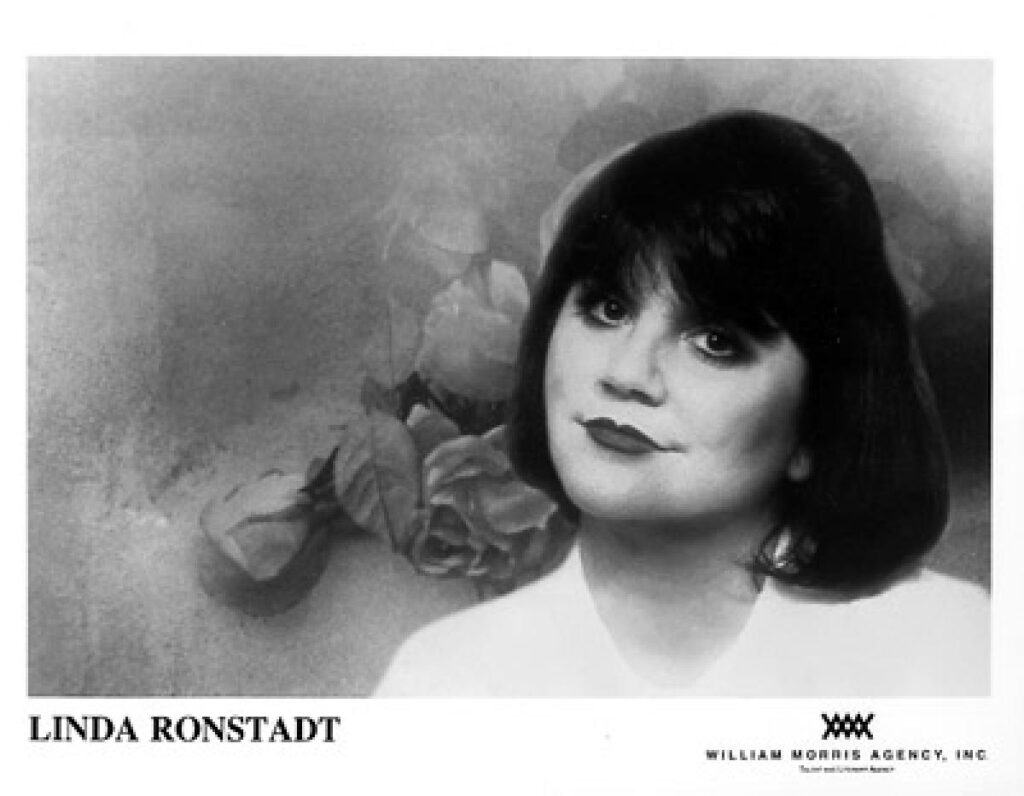
Linda Ronstadt recorded “(I Love You) For Sentimental Reasons” at a very particular moment in her life and career: not as a pop conquest, but as a deliberate return to the old craft of singing a lyric like it matters. Her version appears on For Sentimental Reasons, released September 22, 1986 on Asylum Records, produced by Peter Asher, and wrapped in the late, elegant arrangements of Nelson Riddle. The album itself performed solidly—No. 46 on the Billboard 200 and Platinum in the U.S.—proof that there was still a wide audience hungry for slow songs, well-made and unhurried. The single release of Ronstadt’s recording came later—April 1987—but it wasn’t built to chase the Hot 100 in the way her ’70s hits once did; in major U.S. singles chart listings, it shows no pop-chart placement.
That decision—to sing this particular standard, in this particular setting—has a story behind it that feels almost like a scene from an earlier, more candid music industry. In a 1986 profile, the Los Angeles Times recounts that Ronstadt and Riddle actually argued over the song. Riddle objected to its simplicity; he felt the orchestra “couldn’t shine,” that the structure was too plain. Ronstadt insisted anyway—she wanted it as a tribute to the late singer Sam Cooke and as a living bridge between “the musical past” and the present. Riddle relented, but he died before the recording was finished, and Terry Woodson conducted the completed performance. Knowing that, it’s hard to hear Ronstadt’s take as merely “another cover.” It feels like a small act of will—an artist protecting a song she believed in, even when the great maestro in the room didn’t immediately agree.
And what a song it is to defend. “(I Love You) For Sentimental Reasons” was published in 1945, with William “Pat” Best credited for the music and Ivory “Deek” Watson for the lyric. It became a cornerstone of American popular song largely through The King Cole Trio, whose version reached the Billboard Best Seller chart in late 1946 and peaked at No. 1. Long before Ronstadt, it had already proven itself as the kind of tune that can survive changing fashions—because it isn’t clever, it’s sincere. It doesn’t praise beauty, status, or even destiny. It says, in effect: I love you because I do—because the heart remembers its own reasons.
Ronstadt’s artistry—especially in her trilogy with Riddle—was always about taking familiar material and restoring its human temperature. For Sentimental Reasons was the final installment of that orchestral collaboration, made under the shadow of Riddle’s failing health. The arrangements on the album glide with the old-world grace of tuxedos and late-night radio, but Ronstadt’s voice is the real “period detail”: clear, intimate, and emotionally exact, as if she’s singing to one person rather than an audience.
What makes her performance of “(I Love You) For Sentimental Reasons” especially moving is how unprotected it feels. There’s no rock bravado to hide behind, no rhythmic swagger to turn pain into posture. Just breath, phrasing, and the slow admission that love is often stitched from memory—small scenes, private jokes, the way someone once said your name. In that sense, “sentimental” isn’t an insult here. It’s the whole point. Ronstadt doesn’t apologize for tenderness; she gives it a microphone, an orchestra, and the dignity of time.
So even if the single didn’t storm the pop charts in 1987, it still landed where songs like this are meant to land: in that quiet inner room we all carry, where the past isn’t dead, just softly lit—waiting for the right voice to make it feel present again.