 By Classic Oldies
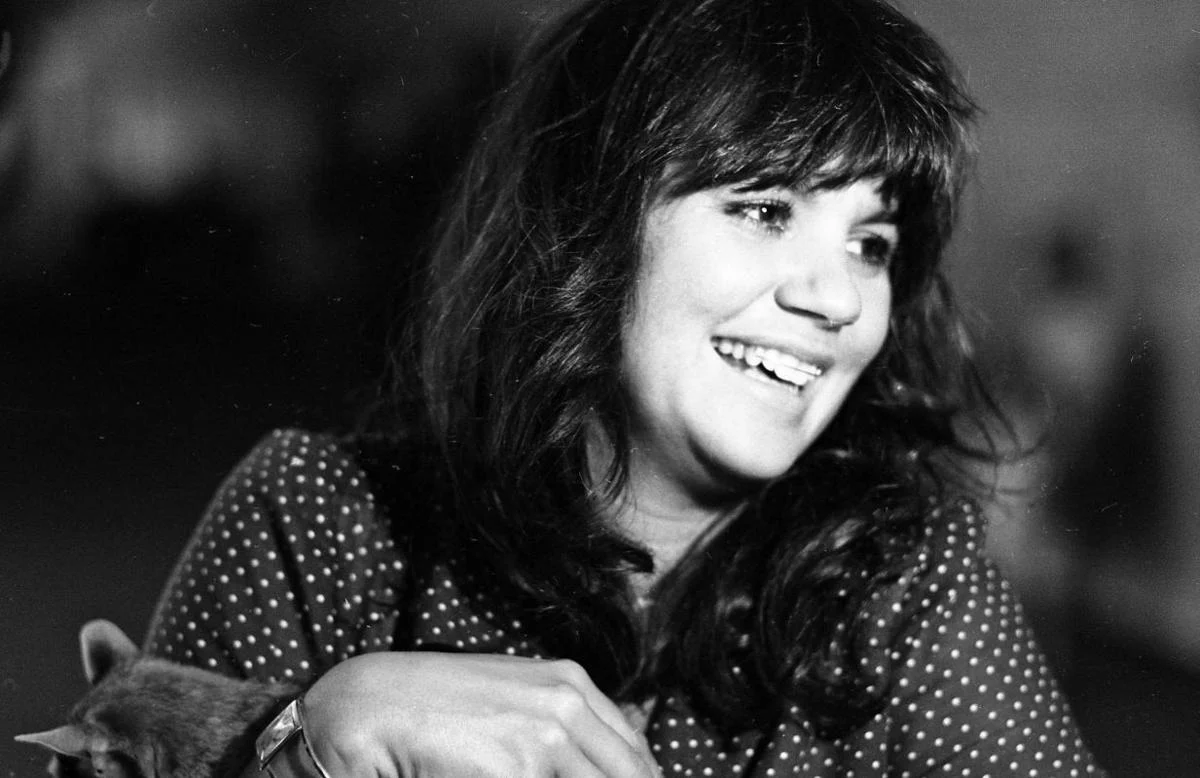
“Just One Look” captures that instant, irreversible moment—when a single glance rewrites the heart’s plans and makes “resistance” feel like a silly word.
In January 1979, Linda Ronstadt reached back into early-’60s R&B and pulled out a song built on pure, immediate electricity: “Just One Look.” She had already turned Living in the USA into a rolling parade of American pop memory, and this track fit the album’s mission perfectly—classic material, newly lit, sung with the kind of conviction that makes an old song feel like it’s happening right now. Ronstadt’s version was issued as the album’s third single on January 23, 1979, released by Asylum Records and produced by her trusted hit-making partner Peter Asher.
Its chart story is modest by her blockbuster standards, yet telling in its own way—like a good song that finds its people without having to shout. On the Billboard Hot 100, “Just One Look” debuted at No. 80 (chart date February 10, 1979) and ultimately reached a peak of No. 44, spending eight weeks on the chart. On Billboard’s softer-pop counterpart chart (then Easy Listening), it climbed higher—peaking at No. 5—as if adult radio listeners recognized the song’s central truth: love-at-first-sight isn’t teenage fantasy; it’s a lifelong possibility.
All of this unfolded in the glow of Living in the USA, released September 19, 1978—an album that would become Ronstadt’s third and final No. 1 on the Billboard 200, reaching the top spot for the week of November 4, 1978. By then, she wasn’t merely popular; she was a kind of national voice, the singer who could take a song you’d forgotten you loved and return it to you with the edges sharpened and the feeling intact.
The deeper story behind “Just One Look” begins long before Ronstadt. The song was co-written by Doris Troy and Gregory Carroll, first released by Doris Troy in May 1963—a compact R&B/pop gem built around that universal, almost embarrassing confession: I didn’t mean to fall, but I looked at you… and there I went. A year later it became a major UK hit through The Hollies, who took it to No. 2 in April 1964—proof that the song’s emotional “spark” could cross oceans without losing heat.
Ronstadt, in 1979, steps into that lineage with an interpreter’s confidence. She doesn’t overdecorate the sentiment. She treats the lyric like a truth you blurt out when you’ve run out of defenses. And that’s what makes her version quietly powerful: it doesn’t frame attraction as a cute flirtation. It frames it as fate’s simplest trick—one look, and your careful self-control becomes a story you tell later with a half-smile and a sigh.
Peter Asher’s production matters here, too. On Living in the USA, he gave Ronstadt a sleek, radio-ready sound without stripping away warmth—a polished surface with real human pulse beneath it. In that context, “Just One Look” feels like a bright photograph slipped into the middle of a thick scrapbook: a quick flash of delight and longing that doesn’t ask for permission to be remembered.
And what does the song mean, beyond its famous hook?
It’s about the vulnerability of immediacy. The lyric doesn’t say, “I got to know you, and then I loved you.” It says the opposite: I saw you, and my body decided before my mind could negotiate. That can feel romantic, yes—but it can also feel unsettling, because it reminds us how thin the wall is between “normal life” and the moment that changes it. The song’s genius is its honesty about that helplessness. There’s no grand tragedy here, no operatic heartbreak—just the deeply human recognition that desire can arrive like weather.
That’s why Ronstadt was such a perfect messenger. Her voice could be forceful, even athletic, but it could also carry a kind of plainspoken intimacy—an ability to sound like she’s telling you the truth, not performing a role. In “Just One Look,” she sings the line as if she’s both amused and undone by her own admission. It’s not melodrama. It’s the small miracle of being caught off guard by feeling.
If you play Ronstadt’s “Just One Look” today, you may notice how it preserves an older kind of pop pleasure: the song is short, direct, and emotionally legible—built for a world where a single could still be a small scene from real life. It’s the sound of a moment you can’t plan for, can’t argue with, and can’t quite outgrow: the glance that becomes a memory, the memory that becomes a private anthem.
And maybe that’s the reason this track still holds up, even without a Top 10 headline. A chart peak can tell you how loud a song was in its own time. “Just One Look” tells you something quieter and more durable: how quickly the heart can recognize its own story—before you’ve said a word.