 By Classic Oldies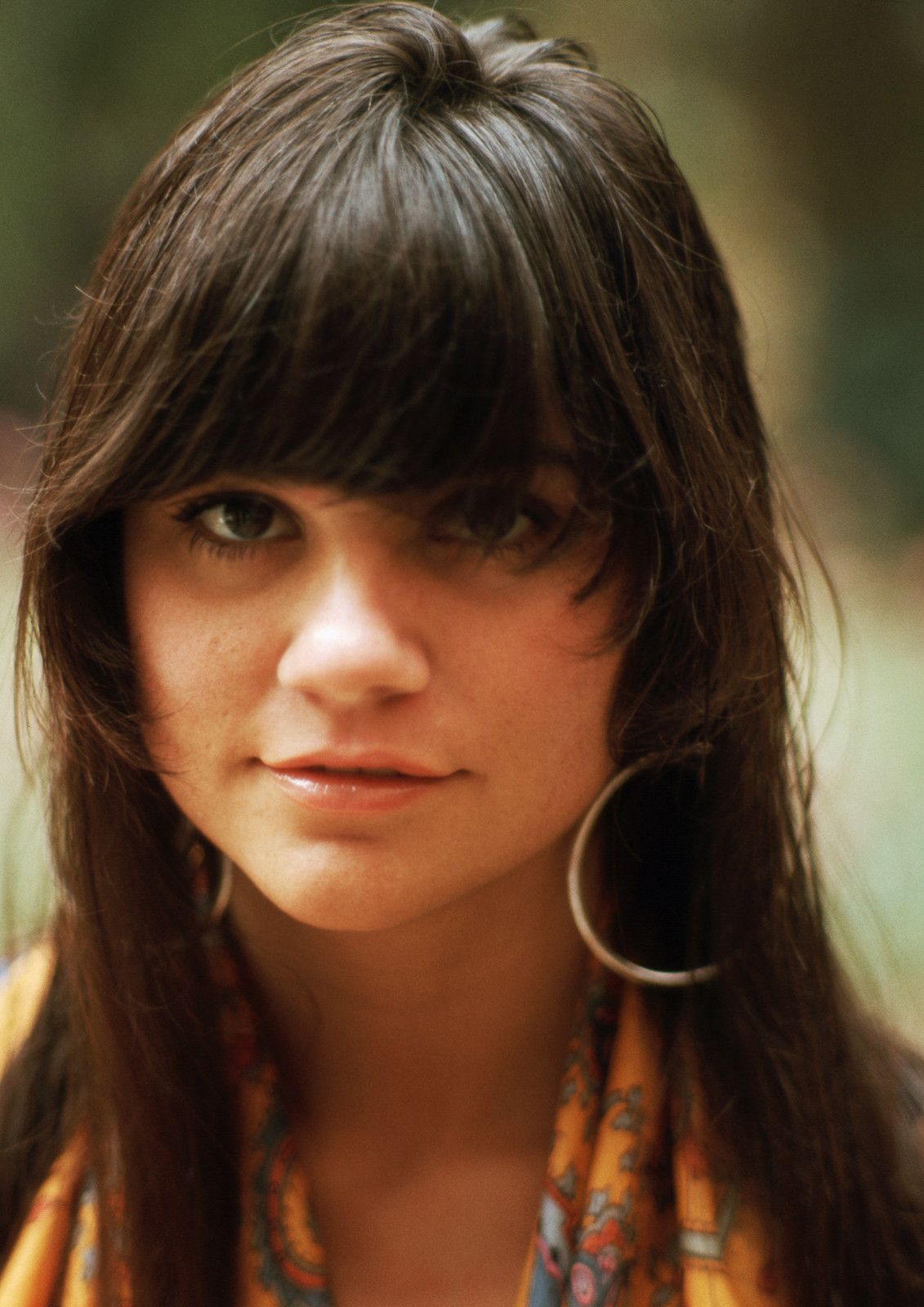
“Have Yourself a Merry Little Christmas” is the holiday’s most delicate truth: joy is possible, but it’s never careless—it arrives hand-in-hand with longing, and it asks us to be brave enough to feel both.
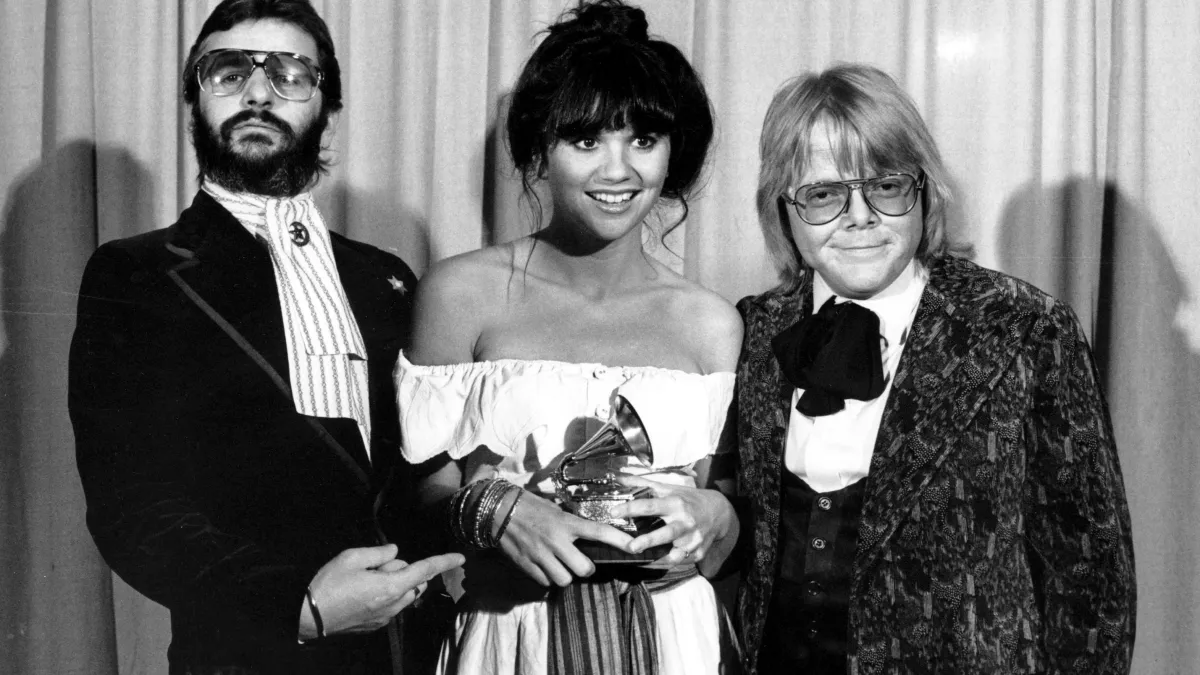
When Linda Ronstadt recorded “Have Yourself a Merry Little Christmas”, she did so not as a singer chasing seasonal cheer, but as an artist honoring the quiet emotional gravity the song has always carried. Her version appears on her holiday album A Merry Little Christmas, released October 17, 2000 on Elektra—notably her final release under her long-running Elektra/Asylum contract. If you’re looking for the “ranking at launch,” it’s the album’s chart footprint that tells the story: A Merry Little Christmas peaked at No. 179 on the Billboard 200 (Billboard notes the peak occurred in December 2000). It’s not a towering chart number, but that’s almost fitting—because this album’s real ambition is intimacy, not spectacle.
And intimacy was a deliberate choice. Ronstadt herself spoke about disagreeing with the label over the album’s running order: the label wanted her to begin with “The Christmas Song (Chestnuts Roasting on an Open Fire)”, but she insisted on a chronological concept—starting with older material and moving toward newer songs. That little behind-the-scenes detail matters, because it reveals the kind of listening experience she wanted: not a playlist of “big moments,” but a gently unfolding story of Christmas music’s long emotional lineage. In that story, “Have Yourself a Merry Little Christmas” sits like a still photograph—soft edges, deep focus.
The song itself has one of the most poignant origins in American popular music. “Have Yourself a Merry Little Christmas” was written in 1943 by Hugh Martin (music) and Ralph Blane (lyrics) for the 1944 MGM film Meet Me in St. Louis, where it was introduced by Judy Garland. It was born not from glitter, but from consolation—Garland’s character trying to comfort a child in a scene heavy with uncertainty. Even the lyric’s history carries that tenderness: popular accounts note that Garland pushed back against early, darker wording, prompting revisions so the song could offer comfort rather than despair. Later, Frank Sinatra famously requested additional lyric adjustments to “jolly up” the message for his own Christmas project—proof that this song has always lived in the tension between sadness and hope, constantly rebalanced by the people brave enough to sing it.
So what does Ronstadt bring to this already-hallowed terrain?
By 2000, her voice carried a kind of seasoned clarity—less about youthful flash, more about emotional truth told plainly. On A Merry Little Christmas, she worked with producers John Boylan and George Massenburg, recording across studios in Tucson, at the University of Arizona, and in major rooms like Ocean Way and Capitol Studios. The result is a record that feels carefully made—crafted to sound warm and human, not merely “festive.” Even an AllMusic-summary excerpt notes how Ronstadt mixed familiar standards with older carols and traditions, keeping the mood more reflective than flashy (with highlights like her duet with Rosemary Clooney on “White Christmas”).
Within that atmosphere, “Have Yourself a Merry Little Christmas” becomes what it has always been at its core: a song about survival disguised as a seasonal wish. It doesn’t promise that everything is fixed. It promises that, for now, we can let our hearts be light—not because the world is simple, but because we still choose tenderness anyway. That’s the extraordinary moral of the song: it makes room for the ache without letting the ache win.
And maybe that is why Ronstadt’s version feels so quietly luxurious. She doesn’t sell the holiday as sparkle; she treats it as a candle in a drafty room—small, steady, enough. In her hands, “Have Yourself a Merry Little Christmas” doesn’t shout “joy.” It whispers something more lasting: that family, memory, and the hope of “someday” are not naïve ideas—they’re the reasons we keep going when the season turns cold.