 By Classic Oldies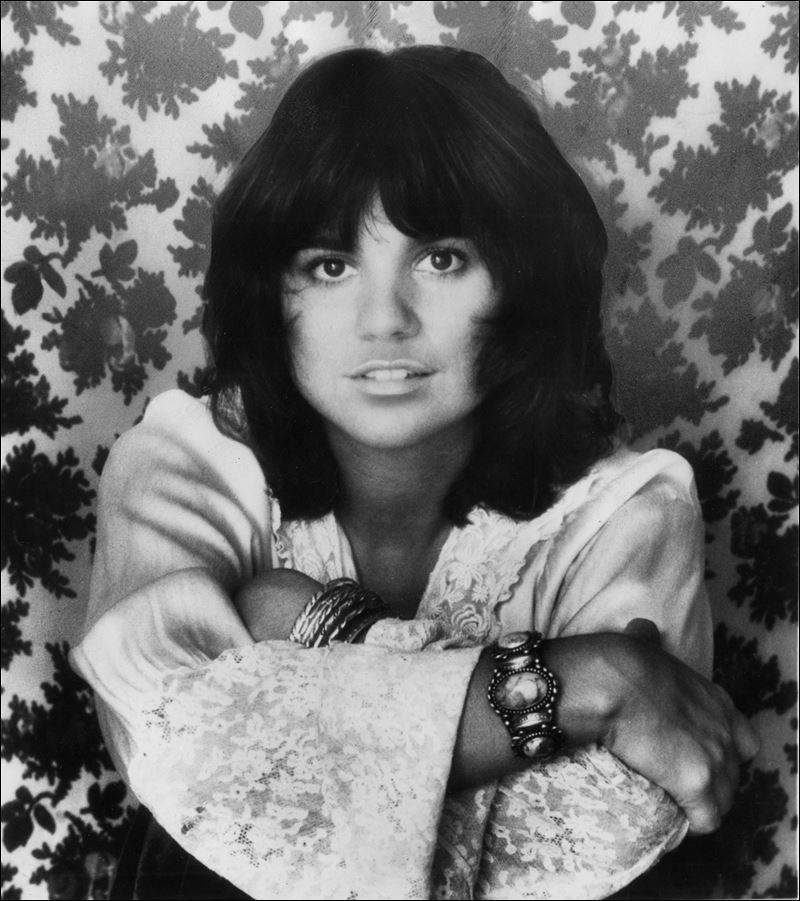
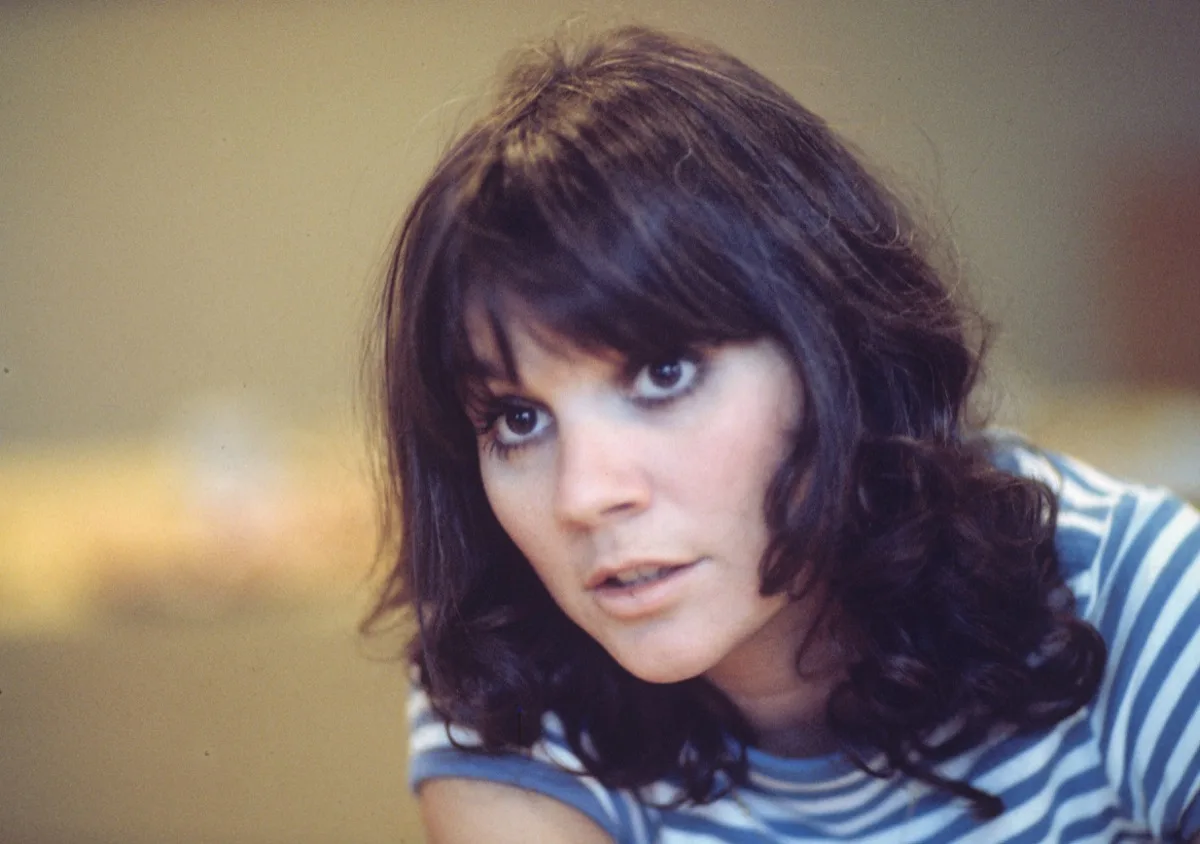
“Lovesick Blues” in Linda Ronstadt’s hands is a young voice borrowing an old sorrow—testing how truth feels when you sing it straight into the wind.
Let the key facts land first, because they frame the romance of the story. “Lovesick Blues” opens Linda Ronstadt’s 1970 album Silk Purse as track 1, a brisk 2:04 statement of intent recorded during her January–February 1970 Nashville sessions and released on April 13, 1970 by Capitol Records, produced by Elliot F. Mazer. And although the performance is often remembered as an album cut, it was also tied to her first 1970 single release: Capitol single 2767, issued March 1970, pairing “Will You Love Me Tomorrow” with “Lovesick Blues” as the flip side. That single didn’t become a U.S. breakthrough (her true U.S. breakout from the album would come later with “Long Long Time”), but it did chart in Australia, with “Will You Love Me Tomorrow” reaching No. 100 on the Kent Music Report—a small, real sign that her name was beginning to travel.
Now the heart of it: why would a rising West Coast singer—fresh out of the folk-rock world of the Stone Poneys—choose this particular piece of classic country armor? Silk Purse was, in many ways, an artist learning how to stand alone. Capitol wanted to invest in Ronstadt as a solo act, and she—no longer leaning on the old band structure—went hunting for songs sturdy enough to carry her. She reached back into country music she’d known since childhood, and you can hear that choice not as a gimmick but as a kind of homecoming. In that light, “Lovesick Blues” isn’t just a cover: it’s a declaration that she would not apologize for loving the old songs, the ones with dust on their boots and loneliness in their pockets.
Of course, the title itself already has history in its bones. “Lovesick Blues” is a standard most famously associated with Hank Williams, and Silk Purse treats it exactly as it deserves: not as museum glass, but as living weather—something that can still change the room temperature. What’s striking is how Ronstadt doesn’t imitate Hank’s ache so much as translate it. She’s early in her solo life here—before the arena-sized confidence of the mid-’70s—yet the phrasing already hints at what would become her signature: emotional precision without melodrama. The song moves quickly, almost jauntily, but the feeling underneath is unmistakably adult: that strange combination of humor and heartbreak where you can smile while admitting you’re undone.
The Nashville setting matters, too. These Cinderella Sound and Woodland sessions were guided by Elliot Mazer and a circle of seasoned players, giving the record a country-pop polish that was unusual for a young singer still being “placed” by the industry. Years later, Ronstadt would look back on Silk Purse with harsh self-judgment, saying she felt she couldn’t really sing yet and didn’t know what she was doing. That confession, rather than diminishing “Lovesick Blues,” makes it more poignant: even in her own declared uncertainty, the instinct was there—choosing a song that demanded honesty, then meeting it with a voice that already carried both vulnerability and steel.
Critics noticed. The album’s reception included the observation that, while some material leaned toward imitation, it was Ronstadt’s voice that gave the record its emotional center. And notably, one major critic singled out “Lovesick Blues” (alongside “Long Long Time”) as brilliant—a small line in print, perhaps, but a meaningful early recognition that she could do more than “sing pretty.” She could inhabit.
So what does “Lovesick Blues” mean when Linda Ronstadt sings it in 1970? It becomes a portrait of an artist learning a lifelong lesson: you don’t have to write your own pain to tell the truth about pain. Sometimes you step into an older song and find it fits—like an inherited coat that still holds the shape of the person who wore it before you. In those two minutes, she doesn’t chase novelty. She chases timelessness. And that is why this track still feels quietly electric: it captures the moment just before the world fully understood who she was—when the voice was already there, clear as day, singing the blues with a country heartbeat and a future waiting just outside the studio door.