 By Classic Oldies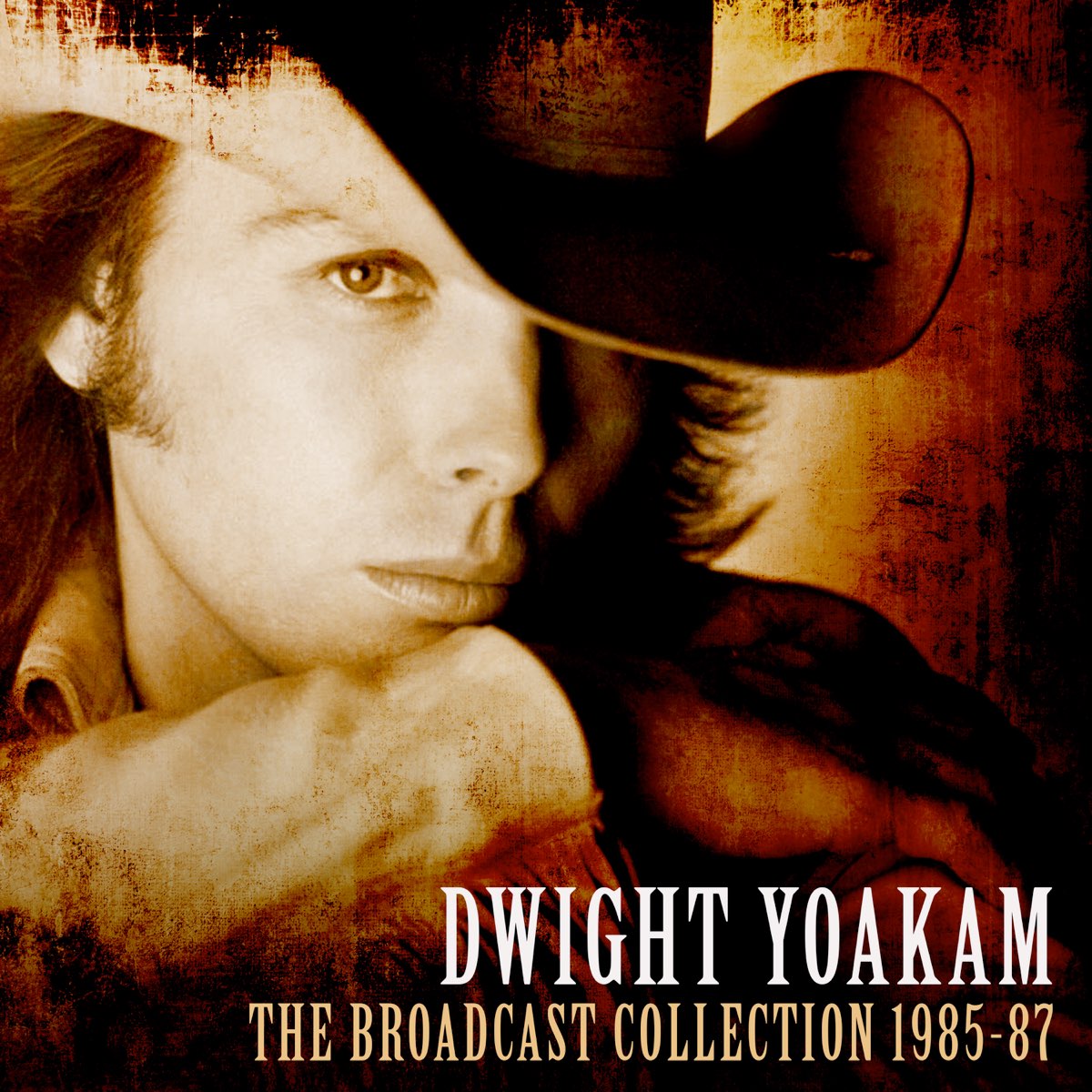
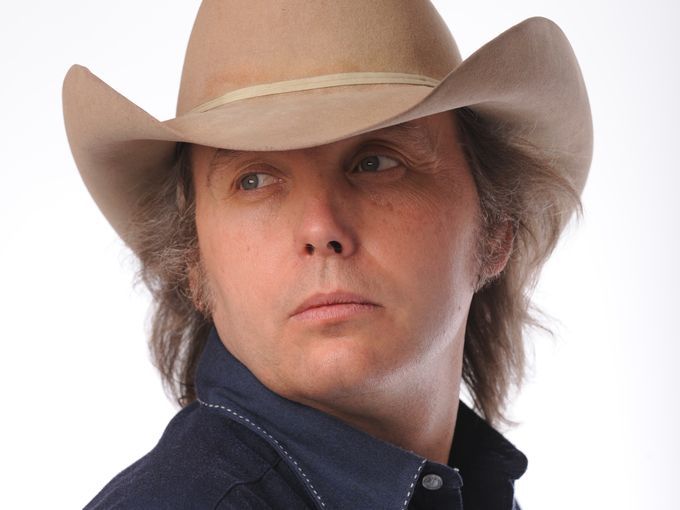
A hard-edged declaration of independence, “Guitars, Cadillacs” is Dwight Yoakam drawing a clean line between what endures and what betrays—choosing sound, steel, and self-respect over a love that couldn’t stay true.
When Dwight Yoakam burst onto the national stage with “Guitars, Cadillacs” in 1986, country music felt the jolt immediately. Released as a single from his major-label debut album Guitars, Cadillacs, Etc., Etc. (issued by Reprise Records in March 1986), the song climbed to #4 on Billboard’s Hot Country Songs chart, announcing Yoakam not as a novelty, but as a force. It also crossed briefly into the pop realm, peaking at #94 on the Billboard Hot 100—a small number on paper, but a telling signal that something raw and different was cutting through the mainstream.
Those chart facts matter, because they underline the moment: this wasn’t Nashville playing it safe. This was a revival with teeth.
The story behind “Guitars, Cadillacs” begins before the charts—back when Yoakam was an outsider in both geography and attitude. A Kentucky native who struggled to find acceptance in Nashville’s smoother early-80s sound, Yoakam moved to Los Angeles, where punk clubs and roots-music loyalists gave him space to sharpen his vision. He wasn’t interested in polishing country music; he wanted to remember it—honky-tonk, Bakersfield bite, emotional directness, and all. Written solely by Dwight Yoakam, “Guitars, Cadillacs” became his manifesto.
Musically, the song is lean and uncompromising. Pete Anderson’s electric guitar snaps with West Coast twang, echoing the legacy of Buck Owens and Merle Haggard, while the rhythm section keeps everything moving forward with restless purpose. There is no ornamentation for comfort’s sake. The sound is tight, bright, and slightly defiant—like a man packing his bags without looking back.
Lyrically, the song is even sharper. “Girl, you taught me how to hurt real bad and cry myself to sleep.” There’s no poetry for poetry’s sake here—just truth spoken plainly. When Yoakam lists guitars and Cadillacs, he isn’t boasting. He’s choosing symbols that won’t lie to him. The guitar is honest work. The Cadillac is motion—escape, independence, dignity on four wheels. Together, they stand in contrast to a love that promised more than it delivered.
What makes “Guitars, Cadillacs” resonate so deeply is its emotional posture. This isn’t a song about wallowing. It’s about deciding. The hurt is acknowledged, but it doesn’t get the final word. Yoakam sings with a voice that already sounds lived-in—high, nasal, aching, and proud all at once. There’s steel in it. You believe him when he walks away, because you hear that he’s done asking for explanations.
The meaning of the song goes beyond heartbreak. It’s about values. About choosing what stays when everything else falls apart. In a genre often crowded with apologies and second chances, “Guitars, Cadillacs” is refreshingly resolute. The narrator doesn’t curse love; he simply refuses to be undone by it. He turns instead to craft, motion, and self-reliance—the old country virtues, sung without nostalgia or irony.
Placed within Guitars, Cadillacs, Etc., Etc., the song sets the tone for an album that would redefine modern honky-tonk. The record went on to be certified platinum, and its success helped open the door for a new generation of artists who believed country music could honor its past without embalming it. Yoakam didn’t revive tradition by imitation; he revived it by need.
Decades later, “Guitars, Cadillacs” still sounds alive because its core truth hasn’t aged. People still get betrayed. They still need to leave. They still find salvation in work, wheels, and music that doesn’t lie to them. The song understands that sometimes survival isn’t about fixing what broke—it’s about knowing when to move on with what remains intact.
So when that opening guitar snaps to life, it doesn’t feel like a hit from 1986. It feels like a door opening. A man stepping out into the night with nothing sentimental in his pockets—just a guitar, a car, and the knowledge that he’ll be all right.
In Dwight Yoakam’s “Guitars, Cadillacs,” heartbreak doesn’t win.
Resolve does.