 By Classic Oldies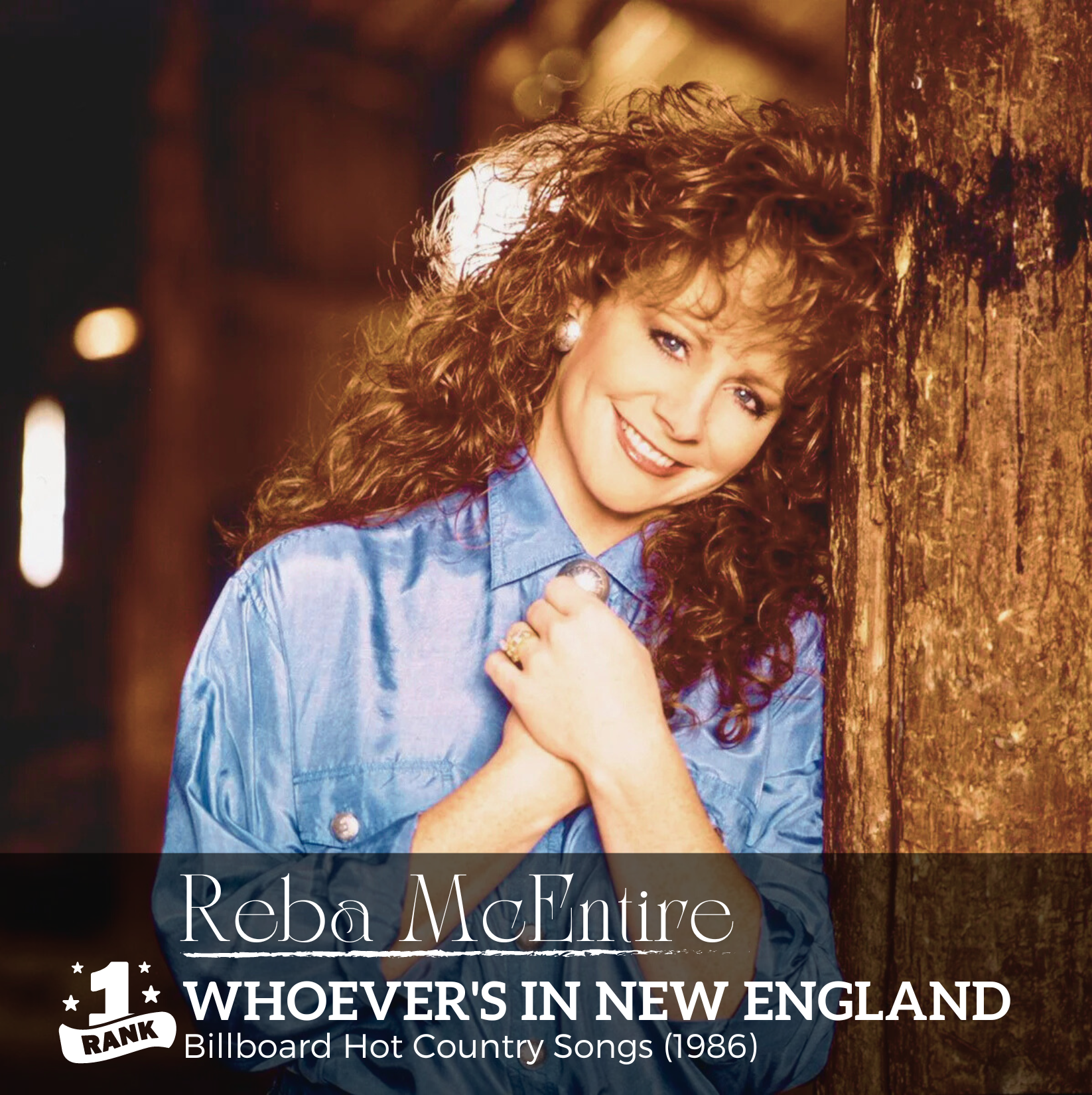

“Fancy” is a hard, glittering coming-of-age story—where a mother’s last gamble turns poverty into legend, and survival learns to walk in high heels.
Few country recordings hit like Reba McEntire’s “Fancy” because it doesn’t ask for your attention—it takes it, the way a slammed screen door takes a quiet afternoon. This isn’t a love song, and it isn’t a moral sermon. It’s a piece of American storytelling with dust on its hem and fire in its eyes: a poor girl, a desperate mother, a dress bought with the last money in the house, and a life that has to change in a single night because there’s no time left for gentle plans.
The song’s roots are older and darker than many first realize. “Fancy” was written and first recorded by Bobbie Gentry, released as a single in November 1969, and it became a crossover hit—reaching No. 31 on the Billboard Hot 100 and climbing in country and easy-listening charts as well. Reba didn’t invent the story; she inherited it—like an heirloom that still cuts the skin when you hold it too tightly. But what she did in 1990–1991 was something only a great interpreter can do: she made the old story feel immediate again, and she made “Fancy” sound like it belonged to her voice—fierce, theatrical, and painfully human.
Reba’s version appeared on her album Rumor Has It, released September 4, 1990. The single “Fancy” was released later, on February 11, 1991, and it peaked at No. 8 on Billboard’s Hot Country Songs, with the same No. 8 peak in Canada’s country chart. That chart number is telling: it wasn’t her biggest radio hit in a decade filled with hits—yet it became one of her defining songs anyway, the kind performers close their concerts with because it feels like a curtain call for an entire era of storytelling.
The “behind-the-scenes” drama is part of the song’s legend. Reba had wanted to cut “Fancy” for years, but one of her earlier producers reportedly resisted—less because of the subject matter than because the song was seen as inseparable from Bobbie Gentry. When Reba finally recorded it for Rumor Has It, the decision felt like a kind of artistic claim: not “I can sing this,” but “I can carry this.”
And then there’s the music video—one of country music’s most memorable narrative clips. Reba didn’t merely illustrate the song; she expanded it into a full visual biography. The camera gives “Fancy” a past, a return, a haunted sense of what was left behind. It helped cement the track as more than audio: “Fancy” became an archetype, the kind of story people see even when they’re only listening.
What makes Reba McEntire’s “Fancy” so emotionally expensive is the moral complexity tucked inside its sparkle. The mother’s decision is both loving and brutal—part sacrifice, part surrender to a world that doesn’t offer clean exits. The lyric doesn’t pretend survival is pretty. It suggests that class can be a cage, and sometimes the only key available is the one society would rather you never touch. Yet the song refuses to portray Fancy as a victim forever. By the end, she is a woman telling her own story, looking back without flinching, daring you to judge her from a life you didn’t have to live.
Reba sings it with a remarkable balance of steel and empathy. She gives the character dignity without sanitizing the truth. Her voice moves like stage lighting—bright one moment, shadowed the next—because that’s how survival feels when it’s wrapped in glamour. One line can sound like pride; the next can sound like a scar speaking.
Over time, the culture has treated Reba’s rendition as canon. It has been ranked among the great country recordings and frequently cited as a signature performance—because it proves something about country music at its best: a song can be entertaining and devastating in the same breath. “Fancy” doesn’t only tell you what happened. It dares you to feel the cost.
And that’s why it endures. “Fancy” isn’t simply about a girl in a red dress. It’s about the terrifying moment when childhood ends because the world demands rent. It’s about the kind of strength that doesn’t come from comfort, but from necessity. And in Reba McEntire’s hands, it becomes what all great story-songs become: not just a tale you hear—an experience you carry, long after the last note fades.