 By Classic Oldies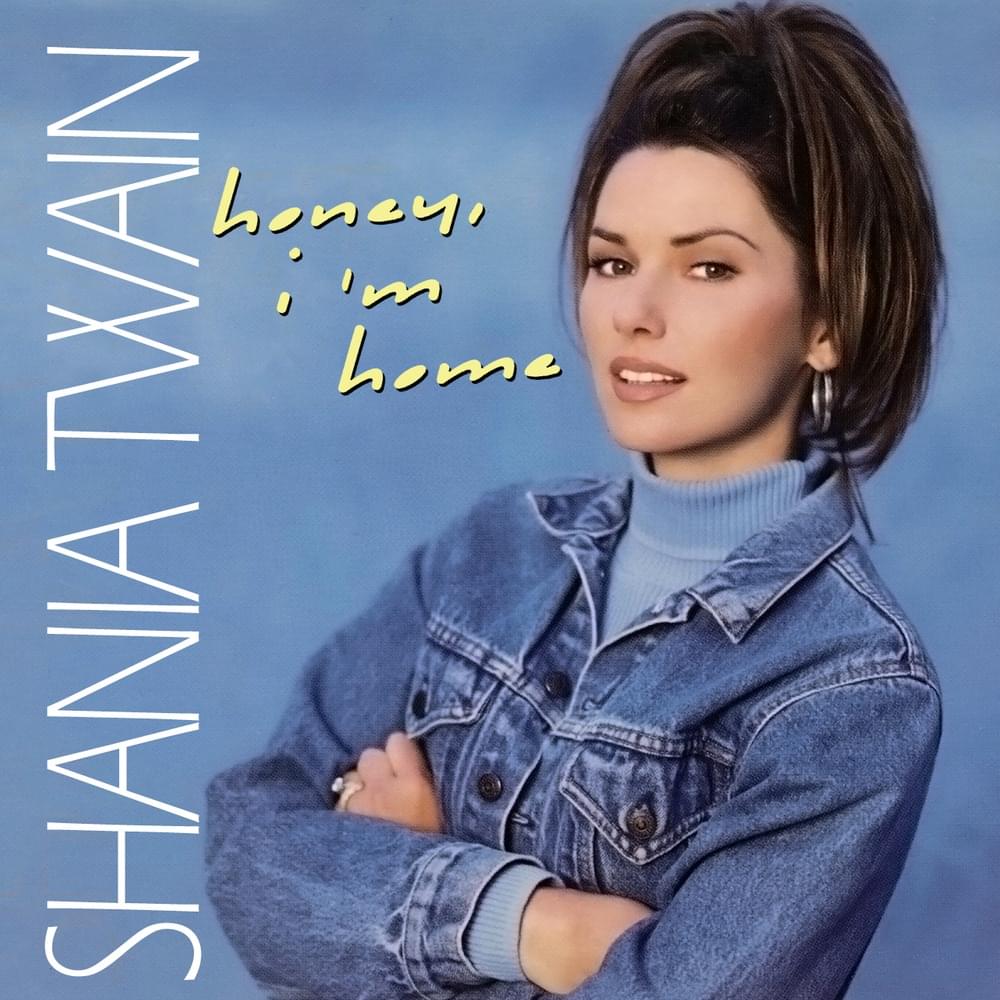
A Working Woman’s Anthem Disguised as a Country-Pop Hook
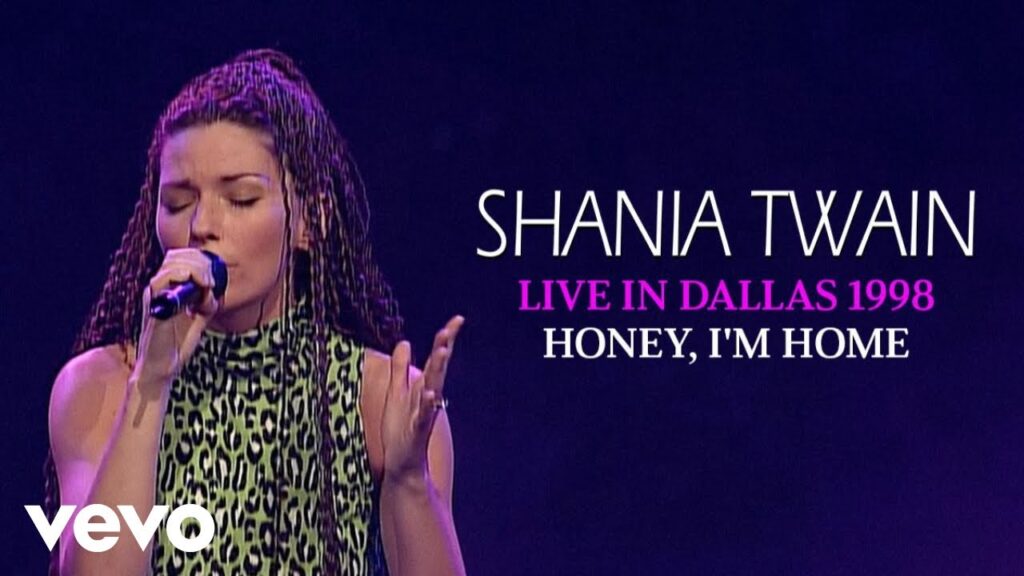
When Shania Twain released “Honey, I’m Home” in 1998, it marked yet another chart-topping moment in her reign over late-’90s country-pop. As the sixth single from her record-breaking album Come On Over, the song surged to No. 1 on the Billboard Hot Country Songs chart, solidifying Twain’s dominance as not merely a crossover sensation but an architect of modern country’s new identity—one defined by empowerment, wit, and self-awareness. At a time when few artists managed to bridge Nashville twang and pop polish so seamlessly, Twain and producer Robert John “Mutt” Lange crafted an anthem that resonated with millions of working women who saw themselves reflected in its humor and honesty.
On the surface, “Honey, I’m Home” plays like a playful companion to “Man! I Feel Like a Woman!”—a tongue-in-cheek declaration of exhaustion after the grind of everyday labor. Yet beneath its buoyant rhythm and irresistible chorus lies something more complex: an emotional snapshot of gender roles in flux at the end of the twentieth century. The song flips the domestic script; rather than celebrating a partner’s return home from work, Twain’s narrator claims that space for herself. She storms through the door, unapologetically drained, demanding comfort rather than offering it. It’s a simple reversal—but in its simplicity lies cultural defiance.
Musically, the track embodies the glossy precision of Lange’s production style: layers of guitar shimmer under a tightly wound backbeat, while Twain’s voice—warm but edged with attitude—rides high in the mix, commanding attention without sacrificing accessibility. There’s no self-pity in her performance; instead, there’s grit disguised as charm. Each line pulses with the rhythm of lived fatigue and quiet triumph—the sound of someone who has given all she can and insists on being seen for it. In an era that often romanticized women’s resilience while undervaluing their rest, Twain made self-care sound like both rebellion and relief.
Culturally, “Honey, I’m Home” functioned as both mirror and manifesto for late-’90s womanhood. It captured that transitional moment when mainstream country music began to speak more directly to female autonomy—not through tragedy or sacrifice, but through humor and assertive candor. The song’s success helped normalize this tone across popular music: direct, relatable storytelling wrapped in irresistible melody. It became an anthem for anyone who’s ever come home bone-tired yet unbowed—a rallying cry for balance amid chaos.
Today, revisiting “Honey, I’m Home” feels like opening a time capsule sealed with laughter and steel. It reminds us that empowerment need not always roar; sometimes it sighs with relief at day’s end—and still manages to shake the walls of tradition while doing so.