 By Classic Oldies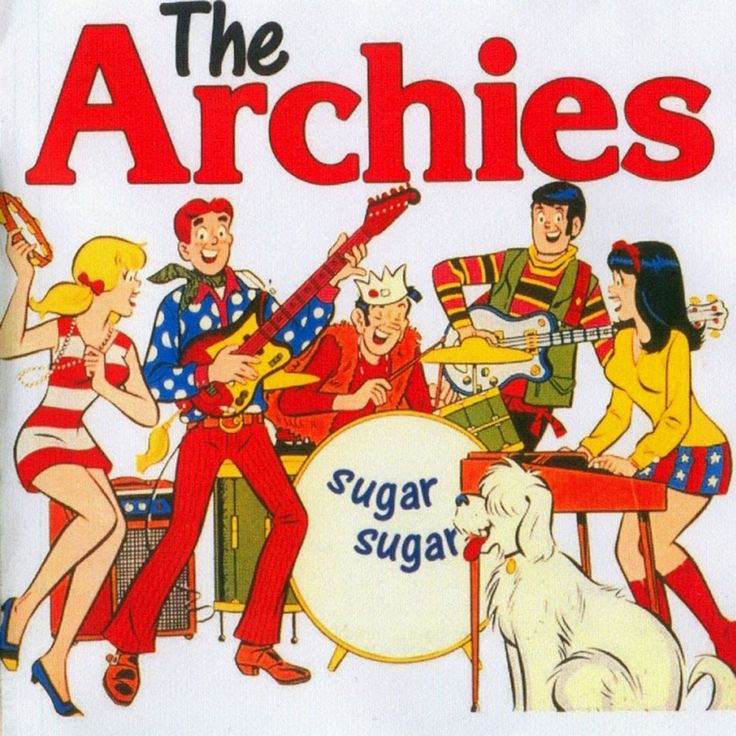
The Sweet Alchemy of Pop: How “Sugar, Sugar” Distilled Innocence into an Irresistible Melody
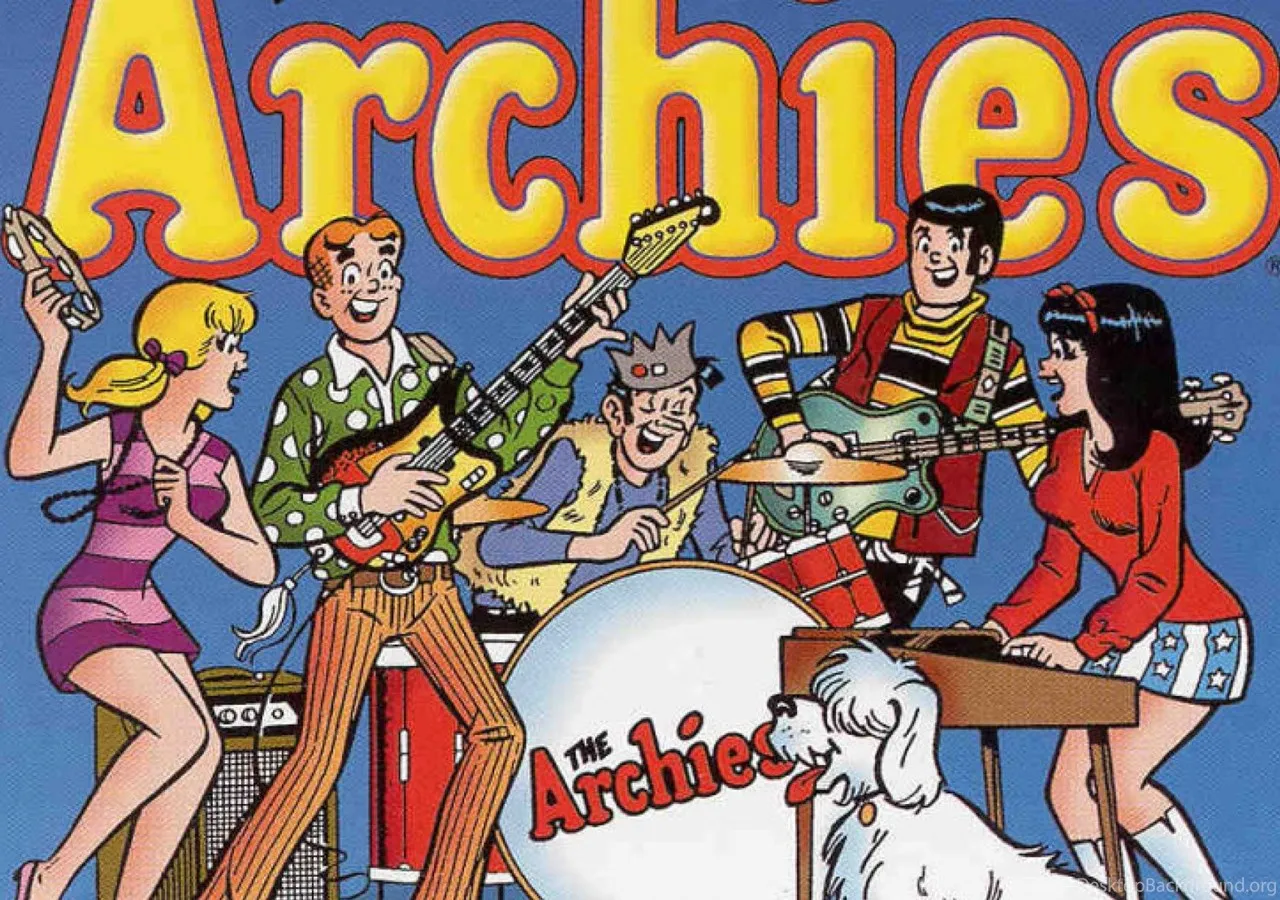
When “Sugar, Sugar” by The Archies hit the airwaves in 1969, it didn’t just climb the charts—it conquered them. Released as part of the animated band’s self-titled debut album, Everything’s Archie, the song soared to No. 1 on the Billboard Hot 100, where it reigned for four consecutive weeks. It also became the top-selling single of that year in the United States, a triumph few could have predicted for a fictional group born from comic book pages. Written by the powerhouse duo Jeff Barry and Andy Kim, and voiced by studio musicians including Ron Dante and Toni Wine, “Sugar, Sugar” was crafted with a precision that transformed bubblegum pop into something enduringly golden.
Behind its gleaming surface lies one of pop’s most fascinating paradoxes: a manufactured band delivering a song of genuine emotional resonance. On paper, The Archies were never supposed to matter beyond Saturday mornings—a novelty designed to cross-promote television animation and record sales. Yet “Sugar, Sugar” defied those commercial boundaries. It became emblematic of a late-’60s moment when popular music was splintering between experimentation and escapism. Amid psychedelia’s swirling guitars and rock’s growing political conscience, this song offered something deceptively simple: three minutes of unadulterated joy.
At its core, “Sugar, Sugar” is a masterclass in pop construction. The melody glides effortlessly atop a buoyant rhythm section, with handclaps and tambourines punctuating every beat like bright bursts of sunlight. The production—smooth yet tactile—was pure Jeff Barry: his instinct for harmony and texture ensured every note shimmered with sweetness but never cloyed. Lyrically, it trades in the vocabulary of devotion and desire through confectionary metaphor; love is not an abstract ideal but something tangible, delicious, and nourishing. The result is a song that feels both innocent and sensual, playful yet sincere.
What makes “Sugar, Sugar” remarkable is its refusal to age as kitsch. Its sugarcoating conceals an underlying universality—the yearning for uncomplicated affection in a complicated world. In 1969, as counterculture gave way to fragmentation and disillusionment, this song provided a musical oasis. Its simplicity became its rebellion: a soft-focus reminder that not every emotional truth needs to be intellectualized or politicized. To listen now is to step into that bright pocket of time when melody alone could lift hearts higher than reason.
Half a century later, “Sugar, Sugar” remains more than a relic of bubblegum pop—it is its definitive artifact, proof that even in artifice there can exist real feeling. Beneath its cartoon origins beats the pulse of something very human: the eternal craving for sweetness amid life’s bitterness.