 By Classic Oldies
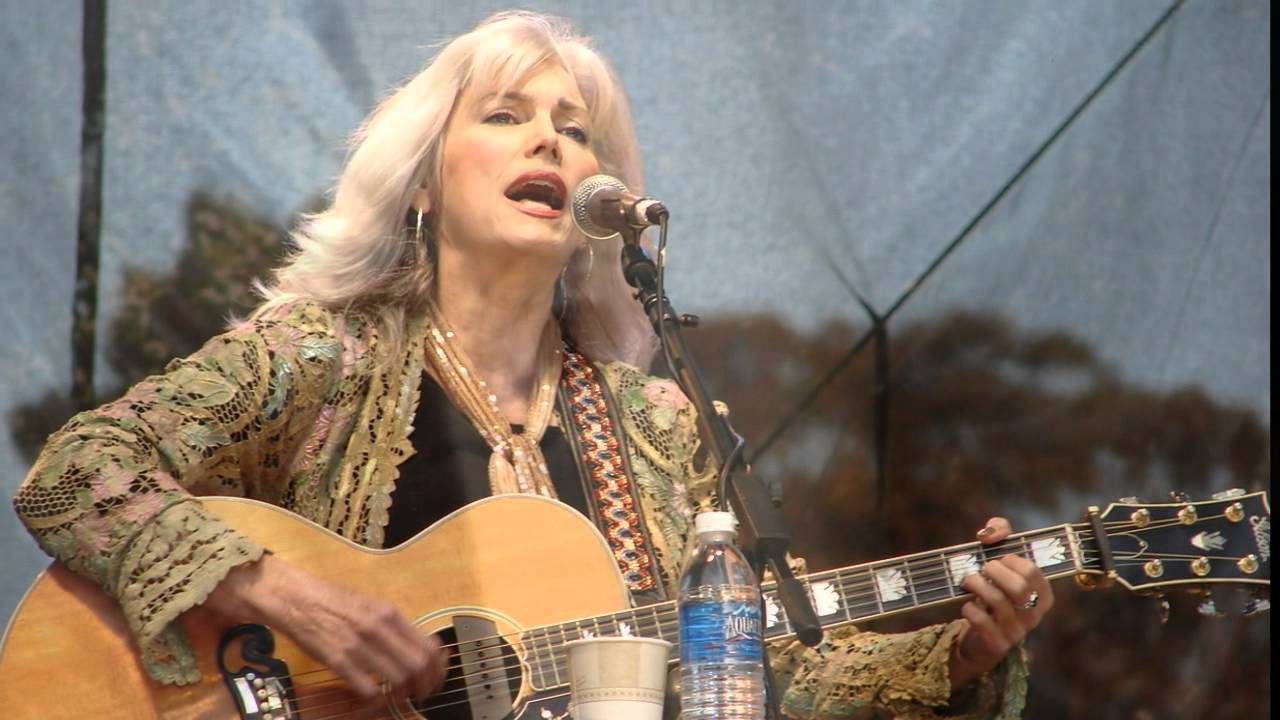
“Where Will I Be” is Emmylou Harris standing under a vast night sky, asking the oldest question in a new kind of echo—when the road, the heart, and faith all feel unsettled at once.
The important context belongs right at the top: “Where Will I Be” opens Emmylou Harris’s career-redefining album Wrecking Ball, released September 26, 1995 (Asylum/Elektra), produced by Daniel Lanois. That album arrived not as a radio grab, but as a bold reinvention—atmospheric, spacious, modern in its reverbs and shadows—yet still anchored by Emmylou’s unshakeable emotional clarity. And the song that starts it all was written by Daniel Lanois himself, as if he were inviting her into his sonic landscape with a question instead of a command.
Because “Where Will I Be” wasn’t released as a mainstream hit single, it has no tidy “debut position” on pop singles charts to recite. Its chart “arrival” is carried by Wrecking Ball—an album whose story is more about impact than conquest. In the U.S., the record peaked at No. 94 on the Billboard 200 (a modest number that never matched the size of its influence), and it later became revered enough to be inducted into the GRAMMY Hall of Fame (announced in 2025). More immediately, it won the 1996 GRAMMY Award for Best Contemporary Folk Recording/Album (the category wording varies by source, but the win is consistent): a formal stamp that this was not a side project or a detour, but a landmark.
Now—if I’m speaking like a storyteller on late-night radio, this is how “Where Will I Be” feels when it comes through the speakers.
It doesn’t “start” so much as it appears, like mist rising off water. The drums have a distant, human pulse; the guitars and textures don’t decorate so much as surround. And then Emmylou enters—not with the bright, front-porch certainty people once associated with her earlier country-rock years, but with something quieter and braver: the willingness to admit uncertainty. That’s the heart of the song. It isn’t a victory lap; it’s a pause on the shoulder of the road, headlights idling, the singer asking the darkness what it intends to do with her next.
What makes this opener so haunting is its choice of subject: fate, in plain clothes. “Where will I be”—not tomorrow, not five years from now, but spiritually, emotionally, as a person. It’s the kind of question you don’t ask when life is easy. You ask it when you’ve survived enough to know that the ground can move under your feet, and when you’ve learned that a strong voice does not guarantee a simple life.
The “behind the song” story is also stitched into the album’s wider turning point. Wrecking Ball is widely described as a major departure from Harris’s more traditional acoustic country sound, shaped by Lanois’ atmospheric production style and a cast of collaborators that included names like Steve Earle, Lucinda Williams, Neil Young, and Larry Mullen Jr. But what’s easy to miss—until you sit with the record for a while—is that the departure isn’t about trend. It’s about perspective. At 48, Emmylou wasn’t trying to sound “young”; she was trying to sound true—and Lanois gave her a night-sky canvas big enough for that truth to echo.
So the meaning of “Where Will I Be” is not merely existential in an abstract way. It’s deeply human. It’s the confession that you can be accomplished and still unsure, revered and still searching, surrounded by music and still longing for direction. The song feels like a prayer that refuses to put on its Sunday clothes—spoken in everyday language, but aimed straight upward.
And that is why it’s such a perfect first track. Before the album takes you through grief, desire, memory, and hard-earned grace, it begins with a question—because questions are honest. They leave room for the listener. They leave room for the years. They leave room for the possibility that the answer isn’t a place on the map, but a way of enduring the journey.
In the end, “Where Will I Be” doesn’t tell you where you’re going. It reminds you what it feels like to stand still long enough to ask—while the world keeps turning, and the music keeps breathing around you.