 By Classic Oldies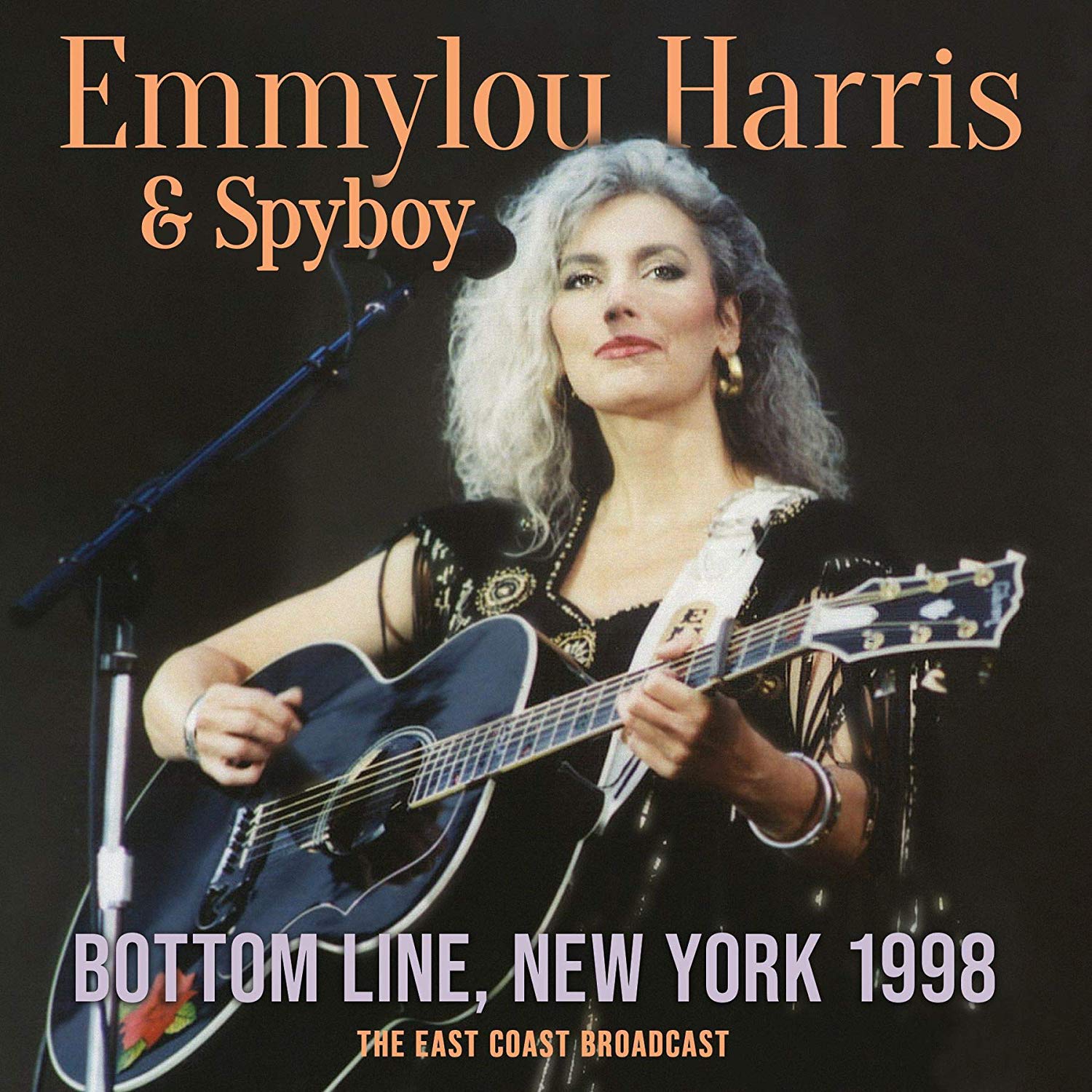

“Wrecking Ball” is Emmylou Harris stepping into the storm on purpose—letting an older heart be remade, not by comfort, but by truth that hits like weather.
Emmylou Harris’s Wrecking Ball (released September 26, 1995) didn’t just refresh her sound; it repositioned her entire artistic life. Produced by Daniel Lanois—famous for atmosphere that feels like moonlight on wet pavement—the album moved away from her more traditional acoustic country framing and into something spacious, haunted, and modern. It was rewarded not with a sudden pop-chart conquest, but with something more meaningful for a mature artist: the 1996 GRAMMY for Best Contemporary Folk Album. And in 2025, its long arc of influence was underlined again when it was announced for GRAMMY Hall of Fame recognition.
It’s easy to talk about Wrecking Ball as an “alternative country” landmark—and it is—but the title track “Wrecking Ball” also feels like a personal thesis statement: I won’t be preserved; I’ll be changed. Crucially, the song was written by Neil Young, who also appears on the album, and that fact shapes the song’s emotional language. Young’s writing often treats love and loss as forces of nature—beautiful, dangerous, cleansing—and Harris sings it as if she recognizes the truth immediately, like someone who has stopped bargaining with time.
The “behind the song” story is really the behind-the-album story: Harris in the early ’90s, artistically restless, choosing risk over repetition. Lanois and engineer Mark Howard helped create that foggy, reverberant world where drums sound distant, guitars shimmer like heat haze, and silence itself feels arranged. Around Harris, the guest list reads like a map of kindred spirits—Steve Earle, Lucinda Williams, Kate & Anna McGarrigle, Neil Young, and even Larry Mullen Jr. of U2 contributing to the sessions. It’s the sound of a singer stepping out of the expected room and into a bigger one.
If you’re looking for “debut ranking,” the most verifiable chart footprint tied to Wrecking Ball is the album’s UK chart presence: it reached No. 61 on the Official Albums Chart (with a brief run), underscoring how this was more of a critical and artistic earthquake than a mass-market takeover. In other words, it didn’t need to be everywhere to become essential; it needed to be true enough that the right listeners would carry it forward.
And that’s where the meaning of “Wrecking Ball” lands. The title image is blunt: something heavy swinging in, breaking what can’t stand anymore. In Harris’s voice, though, it isn’t mere destruction—it’s release. The wrecking ball clears space. It ends the old architecture of denial. It forces the heart to admit what it has been holding. Lanois’s production amplifies that feeling: you don’t hear a neat, radio-clean confession; you hear emotion moving through air, through distance, through memory.
There’s a special kind of poignancy in hearing Emmylou Harris—already a legend by 1995—embrace a sound that made her seem newly vulnerable. Wrecking Ball is often described as a turning point, and it truly is: not because she abandoned her roots, but because she proved roots can grow in strange soil. When she sings the title song, you can feel that choice: to let the past be honored, but not worshipped; to let the voice remain beautiful, but not protected from pain.
So “Wrecking Ball” endures as more than a track—it endures as an atmosphere of reckoning. It’s the moment an artist stops trying to look unbreakable and starts sounding alive. And once you’ve heard that kind of bravery—soft, steady, unsentimental—you don’t forget it.