 By Classic Oldies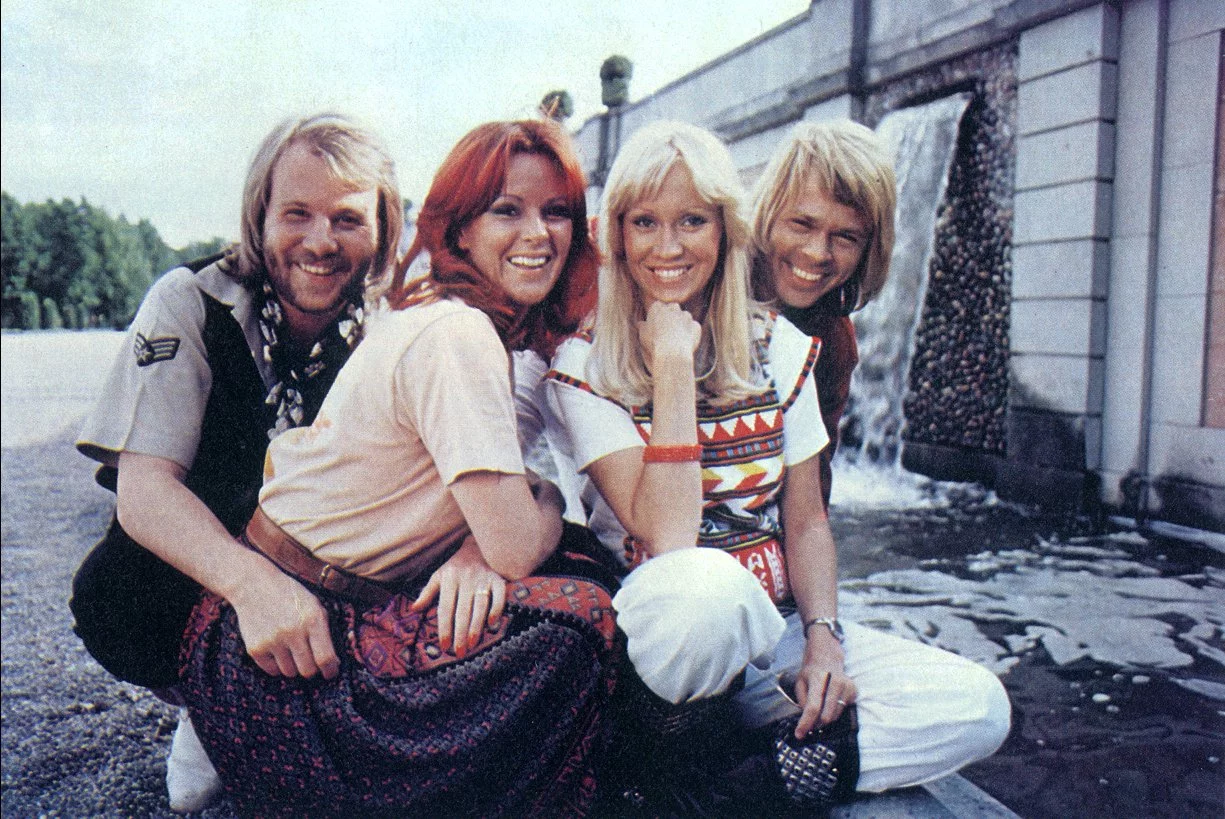
The Irresistible Elegy of Youth, Joy, and the Fleeting Glitter of the Dance Floor
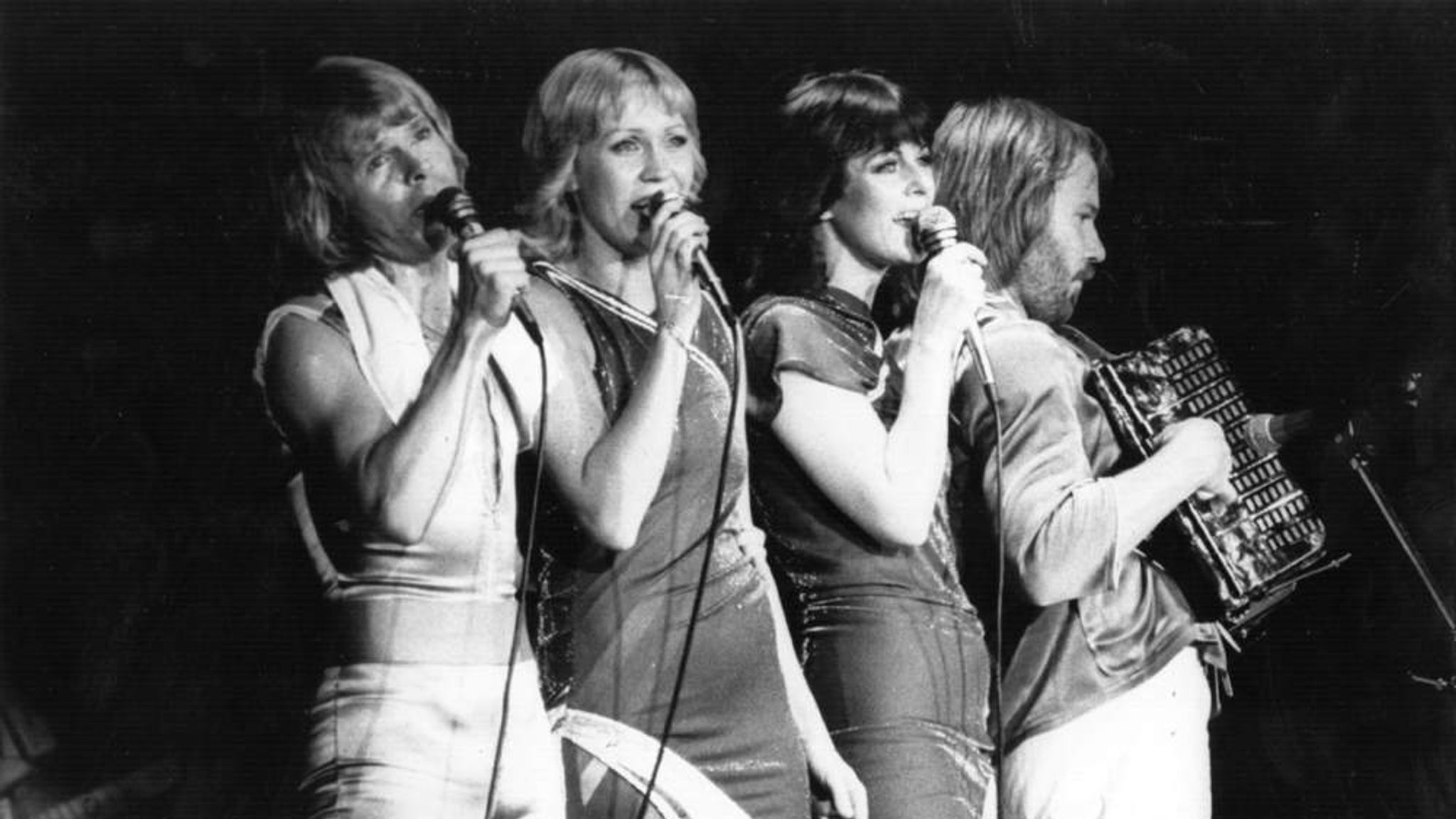
When ABBA released “Dancing Queen” in 1976 as the lead single from their fourth studio album, Arrival, the world was handed what would become both a pop masterpiece and a cultural time capsule. The song soared to number one in more than a dozen countries, including the United States and the United Kingdom—ABBA’s only chart-topper on the American Billboard Hot 100. In that shimmering moment, the Swedish quartet—Agnetha Fältskog, Björn Ulvaeus, Benny Andersson, and Anni-Frid Lyngstad—transcended language and geography, distilling pure, universal euphoria into three and a half minutes of dance-floor radiance.
But beneath that ecstatic pulse lies something more elusive than mere disco elation. “Dancing Queen” is not simply about dancing—it is about youth itself: its immediacy, its impermanence, its impossible beauty. The song’s very texture is liquid nostalgia; it glows with vitality even as it hints at the inevitable passing of that moment. Benny and Björn crafted it with crystalline precision, drawing inspiration from the sweeping grandeur of early European dance hall melodies and marrying them to the rhythmic vitality of contemporary disco. The result is a composition that seems to hover between eras—timeless yet vividly rooted in the lush orchestral pop of the late 1970s.
The track’s production is one of pop’s most exquisite feats of emotional engineering. Layers of cascading piano lines and luminous string arrangements are threaded through an ethereal wall of harmonies, anchored by a slow 4/4 beat that feels both majestic and tender. Agnetha and Anni-Frid’s voices merge like twin reflections in a mirror—distinct yet inseparable—giving voice to an archetype rather than an individual. Their tone carries both celebration and wistfulness: they sing of joy but seem to recognize, even within it, the shadow of time slipping away. That duality is what makes “Dancing Queen” endure long after the glitter has settled from its original dance floors.
Critics often hail it as ABBA’s finest achievement, a perfect pop song in structure and sentiment. Yet its perfection isn’t cold or mechanical—it breathes. There’s warmth in every chord change, melancholy in every soaring note. The song functions as a collective memory for generations: those who were young when it debuted recall their own nights under mirrored lights; those who came later feel its timeless invitation to abandon self-consciousness and simply move.
Half anthem, half elegy, “Dancing Queen” remains ABBA’s crowning jewel—a composition that captures not only a cultural moment but also an eternal truth about human experience: that happiness, when found, must be danced into being before it fades into memory.