 By Classic Oldies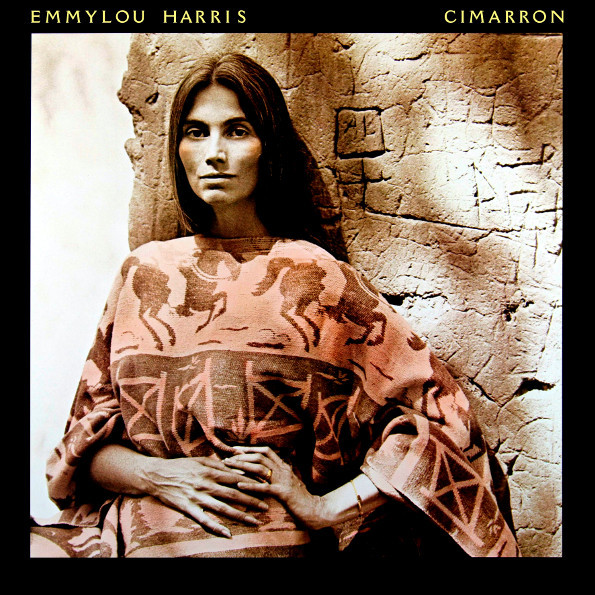

A Hymn for the Restless Heart—Freedom’s Solitary Benediction
When Emmylou Harris released “Born To Run” on her 1982 album Cimarron, she was already firmly established as one of American music’s most evocative voices—a bridge between the high-lonesome purity of traditional country and the introspective poise of the singer-songwriter era. Though the single did not soar to the top of the country charts, peaking modestly compared to her earlier successes, it nonetheless carved a quiet, enduring space in her repertoire. Within its restrained production and emotional gravity, “Born To Run” emerged not as an anthem of rebellion, but as a meditation on endurance, solitude, and the strange mercy found in the act of leaving.
Composed by Paul Kennerley—who would later become both a creative partner and Harris’s husband—the song distills a theme that resonates deeply throughout Harris’s body of work: the uneasy coexistence between yearning and resignation. Where other songs bearing the same title roar with defiant escape, Harris’s interpretation is contemplative, almost prayerful. Her voice doesn’t race toward liberation; it drifts toward it, aware of the cost. The instrumentation, sparse and open like the plains she so often conjures in her music, mirrors that emotional geography: soft acoustic strums, a patient rhythm section, and harmonies that shimmer like distant light across an endless horizon.
In “Born To Run,” freedom is not an act of conquest—it is an act of surrender. Harris inhabits the narrator with a kind of weary grace, suggesting that sometimes to move forward means to let go not only of one’s past but also of certainty itself. There is no triumphal crescendo here; instead, there is acceptance—a recognition that motion itself might be the only way to survive a heart too tender for stillness. This is a song about migration in every sense: emotional, spiritual, and geographical. Its storytelling evokes that great American motif—the restless traveler—yet reframes it through a woman’s voice imbued with clarity and compassion rather than bravado.
Harris has long been a custodian of country music’s most haunting truths: love as both sanctuary and exile, faith as both comfort and questioning. In this track, she transforms these themes into something elemental—a ballad that feels timeless not because it shouts its relevance but because it whispers its wisdom. The song’s legacy endures precisely for this restraint. It reminds us that even amid change and departure, beauty resides in vulnerability, in the quiet bravery it takes to walk away when staying would mean betrayal of one’s soul.
In listening to “Born To Run,” one hears not merely the echo of wide-open roads but the intimate sound of a heart learning to live with its own longing—a small masterpiece from an artist who has always understood that freedom is less about escape than about finding peace within the journey itself.