 By Classic Oldies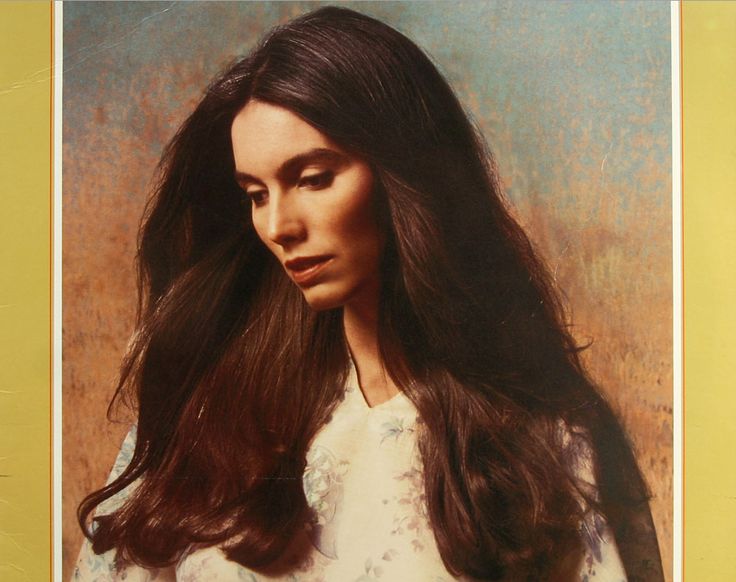

“Bottle Let Me Down” is the old heartbreak trick that stops working—when the drink that once softened the night suddenly can’t blur one stubborn memory anymore.
The first thing to know is where Emmylou Harris placed this song in her story: “(The) Bottle Let Me Down” appears on her major-label breakthrough album Pieces of the Sky, released February 7, 1975 on Reprise Records, produced by Brian Ahern. Her recording runs 3:16, and it was not issued as a single, which means it didn’t arrive with a debut chart position of its own. But the album that carries it absolutely did: Pieces of the Sky reached No. 7 on Billboard’s Top Country Albums and No. 45 on the Billboard 200—a quiet but decisive commercial landing that introduced Harris, fully formed, to a much larger world.
And what a revealing choice it was for that moment. By early 1975, Harris was stepping forward from the ache-filled afterglow of her time singing with Gram Parsons—a relationship that changed her musical direction and left a deep emotional imprint on her early solo work. Pieces of the Sky is often described as the album that truly launched her career, and you can hear why: it’s the sound of an interpreter with unusually sharp instincts, choosing songs that already had history, then singing them as if she’d lived inside their words for years.
The history behind “The Bottle Let Me Down” is pure country canon. Merle Haggard wrote and first recorded it, releasing it as a single on August 1, 1966 (Capitol Records), and it climbed to No. 3 on Billboard’s country chart—one of those mid-’60s hits that felt simple on the surface and devastating underneath. The premise is brutally human: the narrator tries to drink his way into numbness, only to discover that on this particular night the bottle has betrayed him—because the memory of a lost love is stronger than the alcohol meant to erase it.
What Emmylou Harris does with the song is something subtly different from Haggard’s barroom authority. She doesn’t swagger. She doesn’t wink at the sadness. She sings it with a kind of bright steadiness that makes the defeat feel even lonelier—like the room is well-lit, the band is playing, and still the heart can’t hide. That’s one of her great gifts as a vocalist: she can sound clear without sounding cold, and on “Bottle Let Me Down” that clarity becomes the knife. Each line feels like it’s being discovered as she sings it, as if she, too, thought the old remedy would work… until it didn’t.
Part of the power is the album context. Pieces of the Sky is full of songs about longing, leaving, and learning how to carry grief without turning it into a performance. It’s an album that moves easily from the intimate devastation of “Boulder to Birmingham” (written in the shadow of Parsons’ death) to classic material from writers like Dolly Parton—and right in the middle sits Merle Haggard, the poet of hard truths. By including “Bottle Let Me Down,” Harris aligns herself with country music’s most unglamorous honesty: the kind that doesn’t ask to be saved, only understood.
The meaning of the song, when you sit with it, is not really about drinking at all. It’s about the moment your defenses stop defending you. Everyone has a “bottle” of some kind—something used to dull the sharp edges of memory: work, noise, bravado, routine, the habit of staying busy so you don’t have to feel. The song’s quiet tragedy is that one night, all those tricks fail. The love you lost walks back into the room in your mind, sober and undeniable, and you realize you can’t bargain your way out of it.
That’s why Emmylou Harris’ version belongs on Pieces of the Sky so perfectly. This is an album made by an artist stepping into her own name—no longer protected by being “someone’s harmony singer,” no longer safely in the background—singing straight into the complicated weather of adulthood. “Bottle Let Me Down” becomes, in that setting, more than a cover. It becomes a small statement: a promise that she will not prettify pain, and that she trusts the listener to recognize the truth without it being shouted.
Play it now and it still works the same quiet spell. The melody moves like a slow exhale. The story lands like a familiar bruise. And the last feeling it leaves behind is the one country music has always understood best: sometimes the hardest nights aren’t the ones when you fall apart—sometimes they’re the ones when you stay standing, perfectly composed… and still can’t forget.