 By Classic Oldies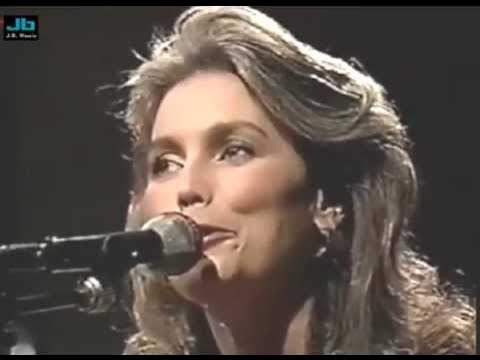

“Prayer in Open D” is a storm-lit confession—Emmylou Harris singing into the hollow of regret until the music itself becomes the place where mercy can still be found.
“Prayer in Open D” arrived officially on September 28, 1993, tucked into the intimate, low-burn beauty of Emmylou Harris’ album Cowgirl’s Prayer. This is the kind of song that doesn’t announce itself with radio swagger; it opens like a door you didn’t realize you needed. On the album’s track list it appears as Track 5, credited simply to Harris as writer, running 4:17—long enough to settle into you, short enough to leave you wanting one more verse of peace.
If you’re looking for the “position at release,” the song’s life is carried by the album rather than by a single’s chart run. Cowgirl’s Prayer peaked at No. 34 on Billboard Top Country Albums and No. 152 on the Billboard 200—numbers that hint at the era’s quiet cruelty to veteran artists, even when the work itself was strong. The album came out at a time when many established voices were receiving less country-radio oxygen, and yet this record was widely praised for its restraint and emotional honesty.
But the real “story behind” “Prayer in Open D” is not an industry tale—it’s a musical and spiritual one.
The title tells you how to listen. Open D is a guitar tuning that lets the strings ring in sympathetic harmony, creating a natural chord—an open, resonant drone that feels less like accompaniment and more like atmosphere. In the hands of a writer like Emmylou, that tuning becomes a metaphor: when the heart can’t form perfect sentences anymore, it falls back on a single sustained truth, held open and trembling. A prayer isn’t always a polished request. Sometimes it’s just staying with the ache long enough for it to soften.
Lyrically, the song moves through images of inner weather—sorrow that feels like landscape, night sounds that resemble distant thunder—without turning melodramatic. (Even a single quoted phrase that has circulated widely—about a “valley of sorrow” in the soul—captures the spirit: grief as geography.) Yet what makes the writing feel mature is that it doesn’t plead for rescue in a childish way. It accepts that regret can be real and still not be the end of the story. The prayer is not a bargain; it’s an admission.
Placed inside Cowgirl’s Prayer, the song also acts like a hinge in Harris’ early-’90s arc. Coming right after the stark, reverent live austerity of At the Ryman, this album stays “subdued” in its palette—quiet instruments, careful spaces—while allowing a few sharper edges elsewhere on the record. “Prayer in Open D” fits the hushed side of that world: it doesn’t chase a chorus that explodes; it builds a mood that deepens.
And if you know what came next—Wrecking Ball (1995), the great reinvention—this song feels like one of the stepping stones toward that later, wider sky. It already carries a sense of openness: more air in the arrangement, more willingness to let ambiguity remain unresolved. It’s as if Emmylou is beginning to trust that silence can be part of the melody.
What lingers after “Prayer in Open D” ends is not only sadness, but a kind of hard-won tenderness. The song doesn’t deny the darkness; it simply refuses to glamorize it. Instead, it offers a humane alternative: sit down with what you did, what you lost, what you can’t repair—and still keep your hands open. That’s why the title is perfect. In open D, the guitar rings even when you stop pressing down. And in “Prayer in Open D,” the heart keeps ringing too—long after the words are gone—like a quiet promise that the soul can still resonate, even after it has been cracked.