 By Classic Oldies
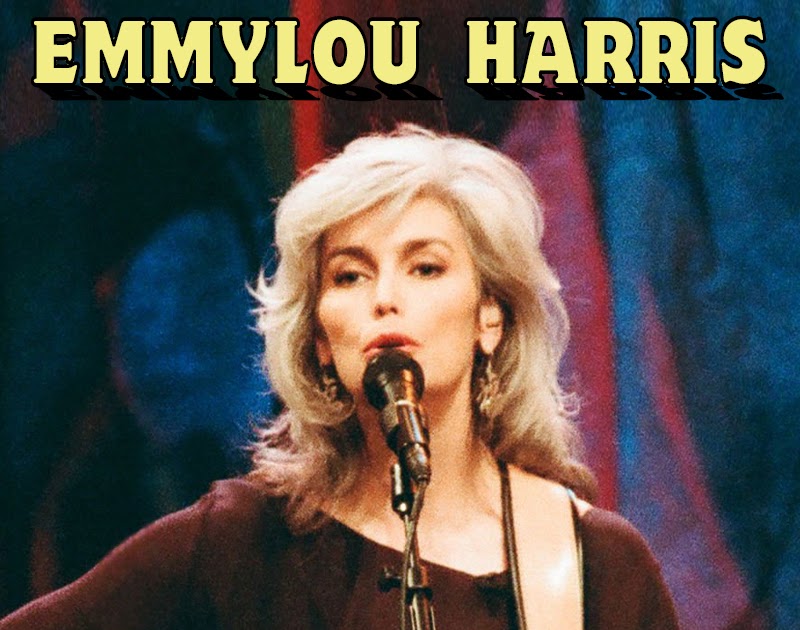
The quiet ache of memory carried downstream by loss and time
When Emmylou Harris released her interpretation of “Kern River” on the 2008 album All I Intended to Be, she was not merely covering a country classic—she was communing with a ghost. Originally penned and recorded by Merle Haggard in 1985, the song had already achieved an almost mythic status among lovers of plainspoken American tragedy. Harris’s version, though never aimed at chart glory and absent from commercial rankings, became one of the album’s emotional anchors—a testament to her ability to inhabit a song so completely that it seems reborn in her voice. All I Intended to Be, which reached the Billboard Top Country Albums chart, marked a graceful return for Harris to her roots-oriented storytelling after years of sonic experimentation. Within that collection, “Kern River” stands as a study in restraint—a meditation on grief stripped to its bones.
The story beneath “Kern River” is elemental. The Kern River itself, running through California’s Sierra Nevada foothills, has long carried a reputation for danger, claiming the lives of those who underestimate its deceptive calm. Haggard’s song distilled that peril into metaphor: love and death entwined in one fatal current. When Harris approached it, she understood instinctively that this was not a song about an event—it was about the permanence of absence. Her performance reimagines the narrator not as a hardened observer but as someone speaking through decades of mourning, where the pain has settled into a soft hum rather than an open wound.
Musically, her arrangement is spacious, reverent. The instrumentation is spare—acoustic guitar brushed lightly with dobro and mandolin tones that shimmer like sunlight on dark water. Harris’s voice, aged into silvery translucence by this period of her career, drifts through the mix with both fragility and authority. Every note feels weighted with memory; each pause, an intake of breath before another wave of sorrow crests and recedes. She doesn’t dramatize; she allows silence to articulate what words cannot. This approach transforms “Kern River” from a ballad of personal tragedy into something mythic—a meditation on how landscapes remember us even when we wish they wouldn’t.
There’s also a lineage at play here: Haggard’s stoic realism meeting Harris’s spiritual melancholy creates a dialogue between two eras of country music—the rugged Bakersfield tradition and Harris’s ethereal Appalachia. In melding them, she underscores one of American music’s oldest truths: that every river carries not just water but history. “Kern River,” through Harris’s lens, becomes less about drowning than about surrender—about what remains when love is swept away, leaving only echoes against stone banks and the persistent murmur of time flowing on.