 By Classic Oldies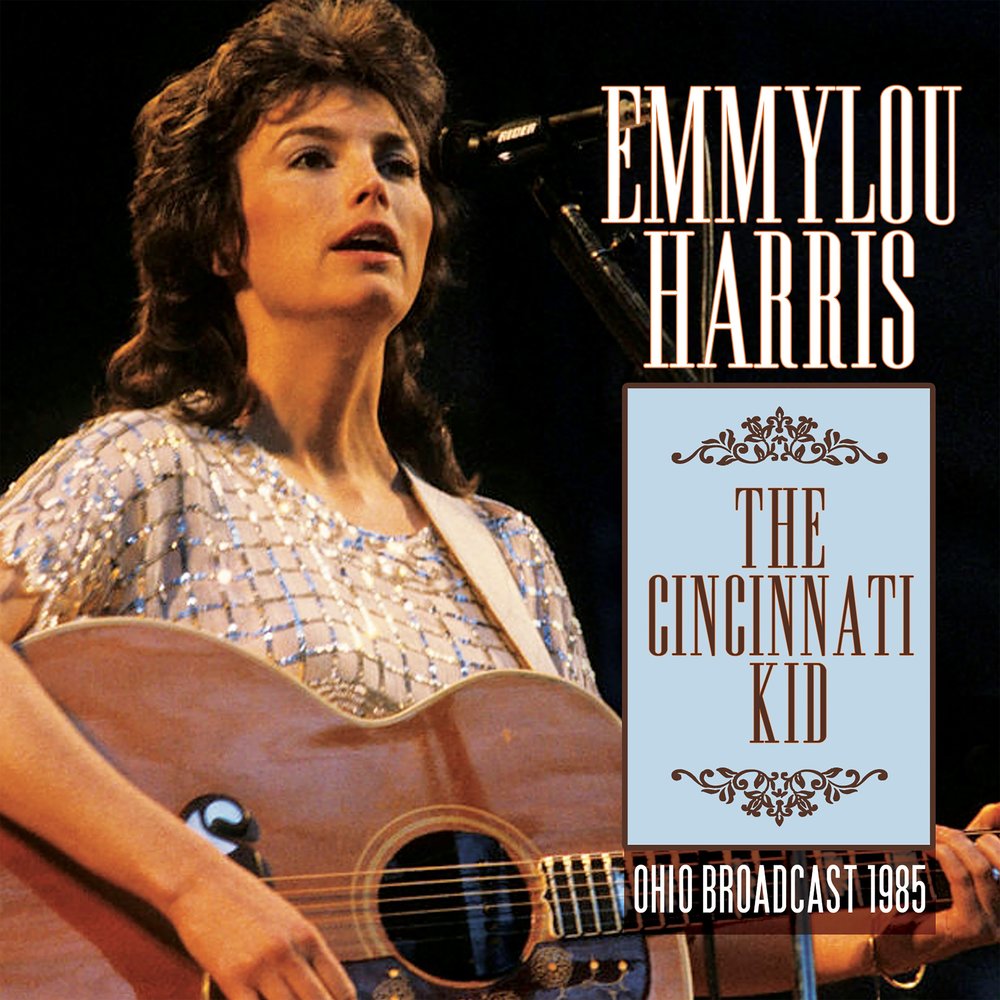
“Lonely Girl” is Emmylou Harris listening to time speed up—and answering it with a simple, aching truth: loneliness isn’t a drama, it’s a quiet room you learn to live inside.
“Lonely Girl” sits near the center of Hard Bargain—track 7, running about 4:44 (streaming runtimes may display a few seconds shorter). And it belongs to an album that arrived not with youthful flash, but with late-career steadiness: Hard Bargain was released on April 26, 2011 via Nonesuch Records, produced by Jay Joyce, and recorded in August 2010 in Tennessee. On the charts, the album’s first step was unusually strong for a reflective, songwriterly record—No. 18 on the Billboard 200 and No. 3 on Billboard’s Top Country Albums, with about 17,000 copies sold in its first week.
But the real “debut position” that matters for “Lonely Girl” isn’t a number—it’s the way the song opens its door. Because this isn’t a performance built to impress. It’s a performance built to confess.
Unlike some of the album’s more overtly topical or tribute-driven pieces, “Lonely Girl” is intimate in the oldest, most human way: it’s about the feeling of waking up and noticing that the days seem shorter, the years faster, and the silence heavier than it used to be. Apple Music’s lyric preview captures that starting point—time accelerating, the sun going down before you feel you’ve even lived the day. The writing credit is Emmylou Harris alone, and you can hear that solitary authorship in how unadorned the emotion is—no clever disguises, no scenic detours, just the plain ache of naming what’s true.
The story behind Hard Bargain deepens the song’s atmosphere. The record was made with remarkable restraint—Wikipedia notes that only three people are heard across the album: Emmylou Harris, Jay Joyce, and Giles Reaves. That stripped-down method matters. It means there’s nowhere for feeling to hide behind a crowded arrangement. When “Lonely Girl” arrives, it doesn’t feel like it’s being “produced” into emotion; it feels like it’s simply being allowed to exist—breathing in the room, unsolved.
And that’s the song’s deepest meaning: loneliness here isn’t presented as a temporary plot problem. It’s presented as a condition of life—especially the kind of life that has contained both great love and great loss, both crowds and the long drive home afterward. The narrator doesn’t sound shocked by loneliness; she sounds acquainted with it. There’s a difference. Shock is loud. Acquaintance is quiet, and far more haunting.
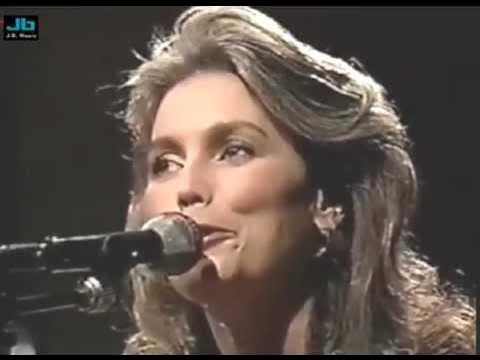
This is where Emmylou Harris has always been unmatched—her ability to make the interior world feel physical. On “Lonely Girl,” her voice has that familiar crystalline clarity, but it’s shaded by something else: the grain of lived time. It’s the sound of someone who has sung harmony beside legends, carried songs across decades, and still stands vulnerable in front of a simple question: Will anyone be there? The fear isn’t melodramatic. It’s practical. It’s the fear of coming to the end of a day—and finding nobody to tell about it.
Yet the song never collapses into self-pity. If anything, “Lonely Girl” is dignified. It’s a portrait of resilience that doesn’t brag about itself. The narrator admits she may “still end up alone” even if she tries—an idea that appears directly in widely circulated lyric excerpts. That line of thought carries a mature kind of bravery: not the bravery of certainty, but the bravery of continuing to hope without demanding guarantees.
Placed on an album that reasserted Emmylou Harris as a vital, contemporary voice—her highest Billboard 200 debut as a solo artist—“Lonely Girl” becomes more than a diary entry. It becomes a statement about adulthood itself: that the heart can remain open even after it has learned how risky openness is. The world may grow louder, faster, more distracted—but this song insists on the opposite motion. It slows down. It listens. It tells the truth in a steady voice and trusts you to recognize it.
When “Lonely Girl” ends, it doesn’t feel like a curtain drop. It feels like the light in a window as dusk settles—still on, still warm, still waiting. And that, perhaps, is the quiet miracle of Emmylou Harris at this stage of her art: she can sing about being alone without making you feel abandoned. She turns loneliness into something shared—one voice reaching across the room, reminding you that if time is flying by, at least this song knows how to stay.