 By Classic Oldies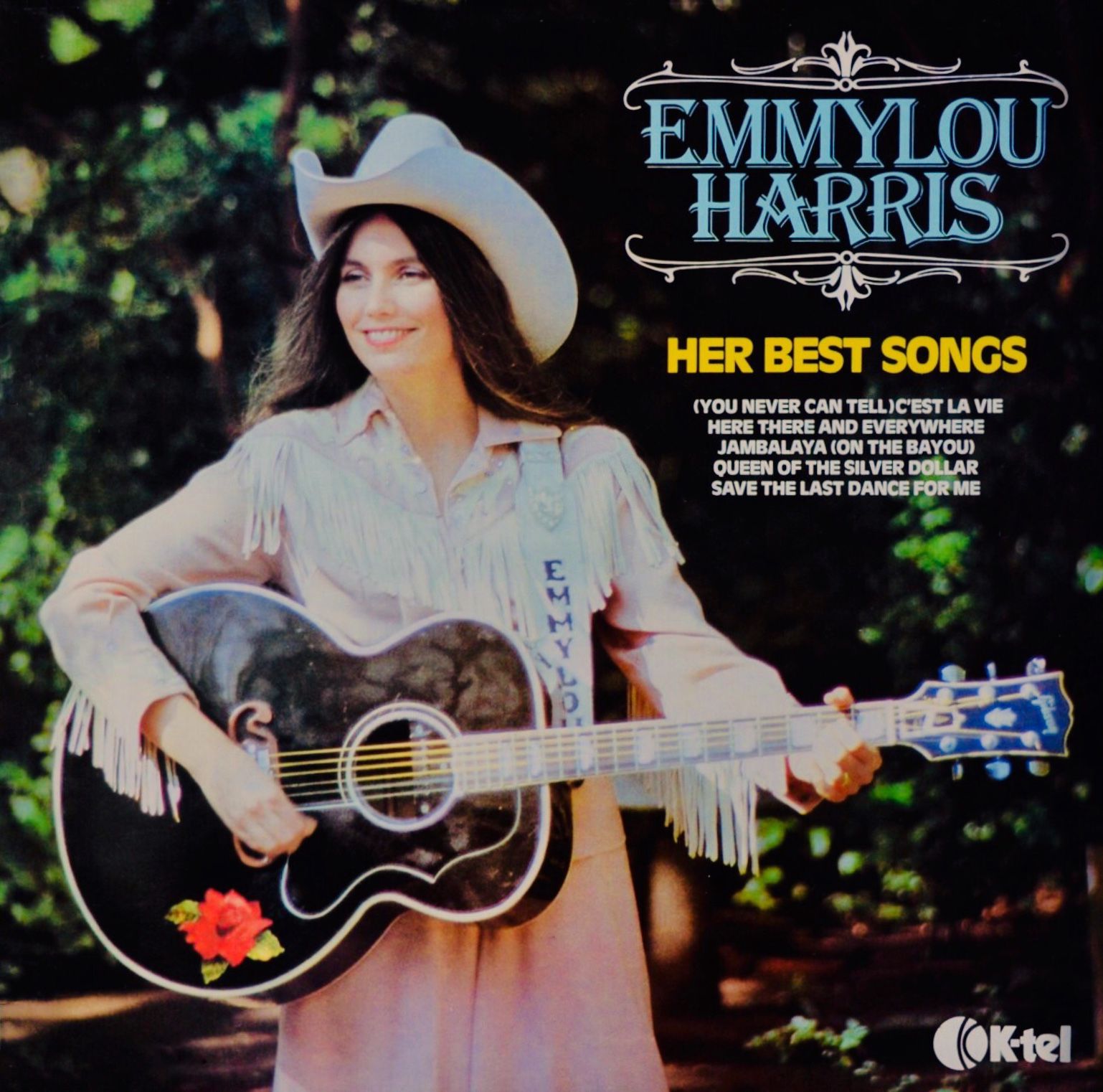
“Crescent City” is a love letter to New Orleans written in barroom ink—where the urge to run back “downriver” is really the urge to run back to yourself.
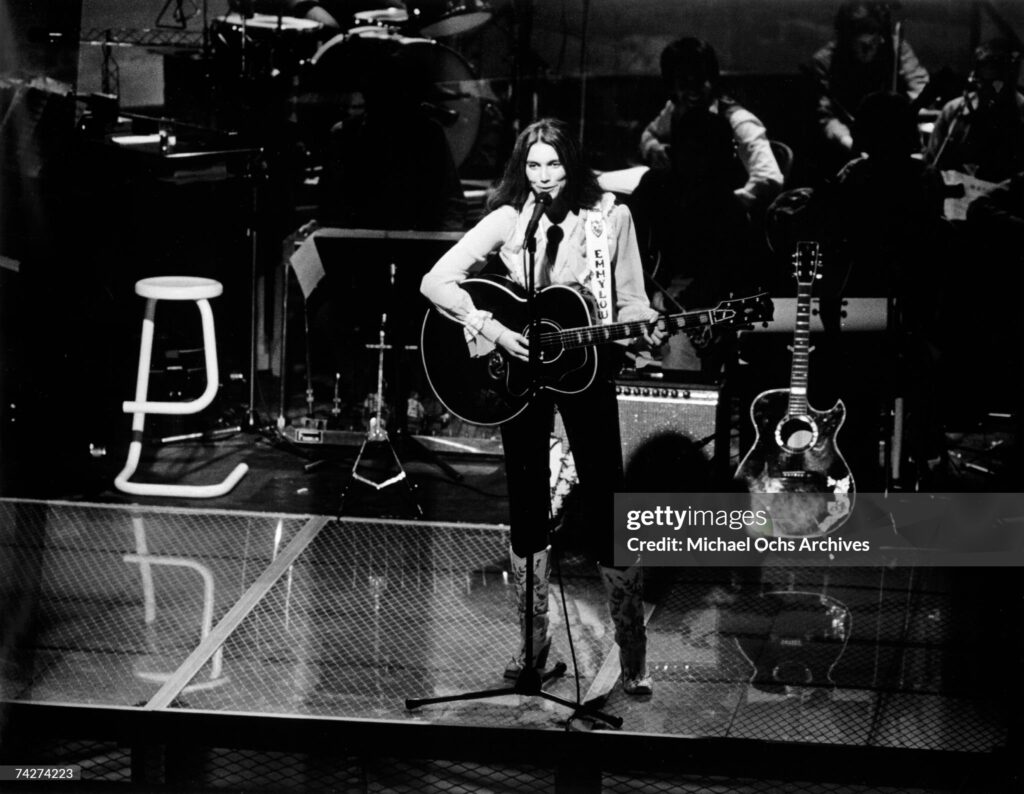
“Crescent City” sits at the heart of Emmylou Harris’ album Cowgirl’s Prayer (released September 28, 1993), and it’s one of those performances that feels both travelogue and confession. The song was written by Lucinda Williams, first recorded and released by Williams in 1988, before Harris carried it into her own world of harmony and haunted optimism. While “Crescent City” wasn’t the kind of single that ruled country radio in the early ’90s, it was important enough to be issued as a promo single in 1994, and—crucially—its video got real visibility on CMT, at a time when airplay for veteran artists was tightening.
The album context matters, because Cowgirl’s Prayer arrived in a strange corridor of Harris’ career: after the reverent, stripped live triumph of At the Ryman and just before the artistic reinvention that would explode on Wrecking Ball. Cowgirl’s Prayer was recorded and released during a period when, as the album’s own history notes, “older artists” were being pushed aside on mainstream country playlists—yet Harris kept choosing songs with spine, and singing them as if fashion had no jurisdiction over truth. The record reached No. 34 on Billboard Top Country Albums and No. 152 on the Billboard 200—modest numbers that, paradoxically, make the music feel even more intimate, like something made for the faithful rather than the fickle.
What makes “Crescent City” so enduring is the way it turns geography into longing. New Orleans—“the Crescent City”—isn’t simply a destination in the lyric; it’s a spell. It represents a place where the night runs on music, where you can disappear into a crowd and still feel strangely known, where a person can start over without the humiliation of explaining themselves. Harris doesn’t sing it like tourism. She sings it like remembrance: the soft, stubborn knowledge that certain cities hold versions of us we can’t fully grow out of.
And Lucinda Williams’ writing gives Emmylou the perfect kind of material—plainspoken, slightly rough-edged, emotionally exact. It’s the voice of someone who has watched the room long enough to know which conversations are real and which are just noise. In that sense, “Crescent City” becomes a song about social gravity: people talking about who knows who, who’s with who, who matters—while the narrator is already halfway out the door, pulled by something older and truer than reputation.
Musically, Emmylou treats the song as a gentle engine. There’s forward motion—enough lift to suggest a highway at dusk—but she keeps the emotional temperature warm, not flashy. The beauty of her voice here is its steadiness: she sounds like someone who has learned that longing doesn’t always shout. Sometimes it simply repeats the name of a place until the heart can’t pretend it doesn’t want to go.
That’s why the song’s meaning lands so quietly and so hard. “Crescent City” is not merely about New Orleans. It’s about the human need for a “somewhere” that feels like permission—permission to be messy, to be tender, to be hopeful again. It’s about the way a place can become a compass point in the soul. And it’s about the particular kind of nostalgia that doesn’t idealize the past; it just admits the past still has a key to the lock.
In the long arc of Emmylou Harris, “Crescent City” is also a telling choice: an artist famous for exquisite covers choosing a contemporary songwriter whose work already carried the future of American roots music. It’s one of those crossroads moments where you can almost hear the next chapter forming—Harris leaning toward the rawer, more modern emotional language that would soon define her later masterpieces.
So when Emmylou sings “Crescent City,” you don’t only hear a city name—you hear a feeling: the tug of a river current, the shimmer of streetlights after midnight, the way the heart sometimes packs its bags before the mind agrees. And if it makes you want to go back—whether to New Orleans or to some earlier version of your own life—that’s the point. The song isn’t asking you to remember. It’s asking you to return.