 By Classic Oldies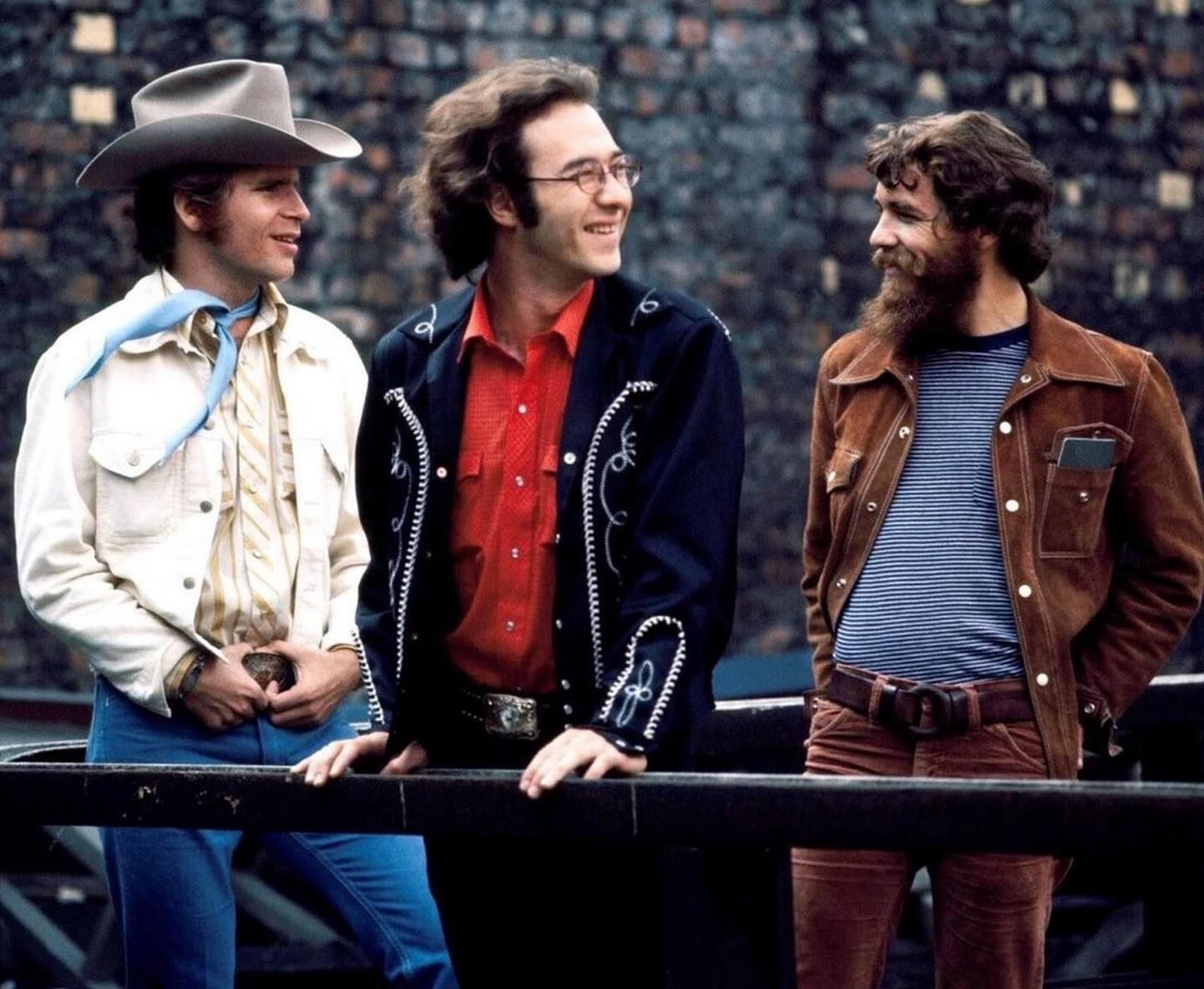
Lodi is the sound of a traveling dream running out of gas. In one plainspoken story, Creedence Clearwater Revival captured the quiet heartbreak of ambition, disappointment, and the long road home.
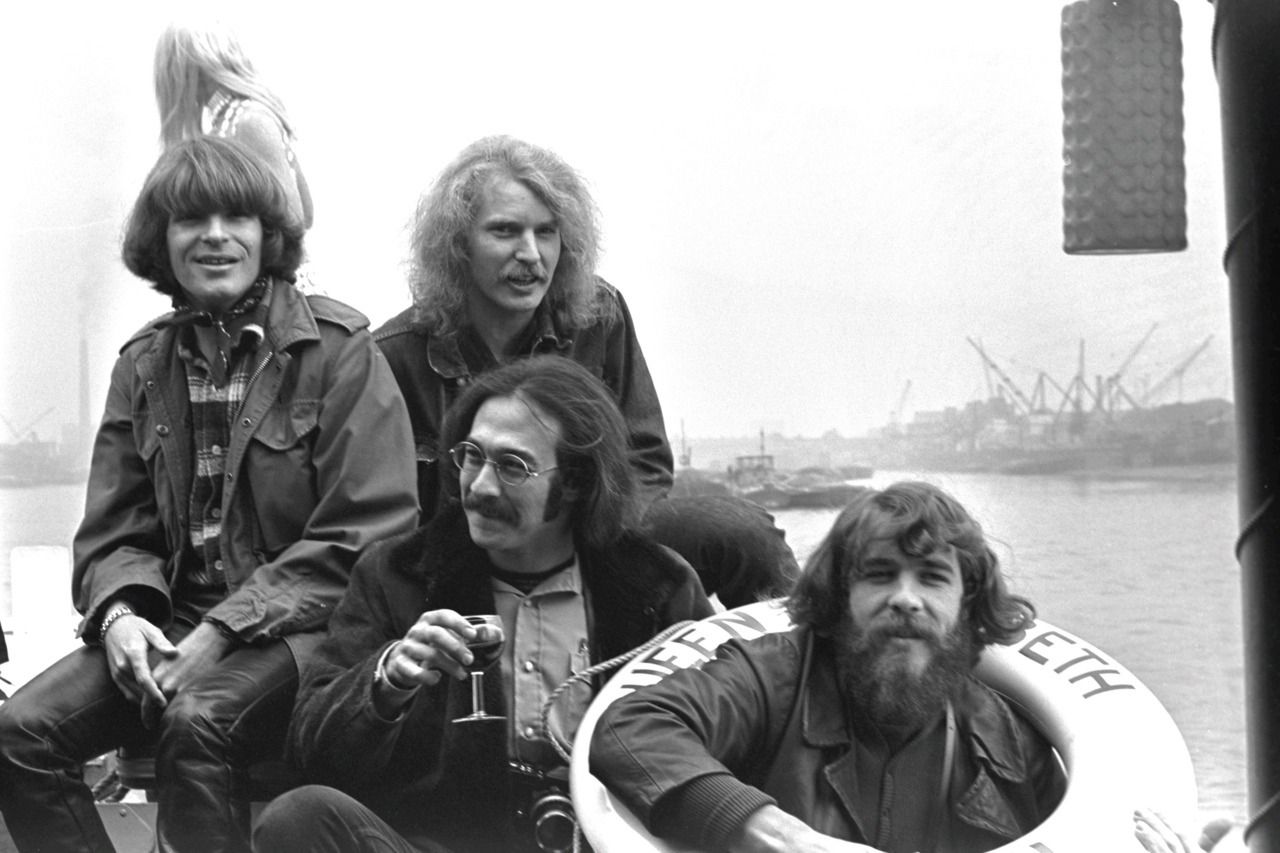
For a band so often remembered for grit, drive, and that unmistakable sense of motion, Creedence Clearwater Revival gave the world something unusually tender and worn-around-the-edges with Lodi. The song first reached listeners in April 1969 as the B-side of Bad Moon Rising, the single that climbed to No. 2 on the Billboard Hot 100 and also hit No. 1 in the UK. A few months later, Lodi appeared on the album Green River, released in August 1969, which went to No. 1 on the Billboard 200. Those chart facts matter, because they make the emotional contradiction even richer: at the very moment the band was becoming one of the biggest acts in America, John Fogerty was writing one of the saddest songs ever recorded about getting nowhere.
That is the first truth worth holding onto. Lodi is not a victory song. It is not about fame arriving on schedule, or about the road as freedom. It is about the opposite. It is about the sinking realization that the dream may have oversold itself. The singer has been traveling, working, chasing a future, and instead of finding the promised gold, he ends up stranded in a place he never meant to stay. That famous refrain, with its weary plea of being stuck in Lodi again, still lands with unusual force because it is so simple. No grand philosophy, no decoration, just the blunt ache of a plan that has slipped away.
John Fogerty later explained that the song was not a literal autobiographical account. In fact, he had not truly known the California city of Lodi when he wrote it. He chose the name in part because it sounded right, because it carried the plain, grounded feel of an American place that could hold an ordinary disappointment. That detail has always been fascinating. Lodi feels deeply real, even though it was built more from imagination and emotional truth than from strict personal memory. That may be one reason it has lasted so powerfully. The town becomes more than a town. It becomes that place in life where momentum falters and pride has to sit down for a while.
Listen closely to the lyrics and you hear a whole career collapsing in miniature. The singer set out on the road searching for fame and fortune. A year later, things have gone bad. He rode in on a bus, and it sounds as though even getting out may require more luck than he possesses. There is a line about the man from the magazine saying he was on his way, and in that brief image Fogerty captures the empty promise of publicity, encouragement, and industry chatter. Someone told him success was just ahead. Somewhere along the way, the connections disappeared. The songs ran thin. The one-night stand turned into a long, embarrassing stall. There is no melodrama in it, which is exactly why it hurts.
Musically, Lodi is just as wise as its lyric. Creedence Clearwater Revival does not attack the song; they inhabit it. The arrangement is measured, unhurried, and almost conversational. There is space in it, and that space matters. Instead of pushing toward a big emotional release, the band lets the weariness breathe. John Fogerty sings with restraint, sounding less like a star delivering a performance and more like a man trying to keep his dignity while admitting that things have not worked out. That balance, between pride and surrender, is where the song finds its soul.
It also stands as one of the clearest examples of how wide CCR really was as a band. They could make swamp rock thunder, they could write hits that felt built for radio, and they could also turn inward and reveal a bruised human center. Lodi sits beautifully beside larger, louder songs because it reminds us that Creedence Clearwater Revival was never only about force. They understood struggle. They understood the lonely side of the American road. They understood that disappointment often arrives quietly, without spectacle.
Over the years, the city of Lodi itself developed a complicated but affectionate relationship with the song. At first, some locals reportedly bristled at the idea of their town being shorthand for being stuck somewhere. In time, however, the song became part of the place’s cultural identity, almost a badge of unexpected immortality. That too feels fitting. Great songs often outgrow their original circumstances and become shared property, adopted by listeners who hear their own lives inside them.
Because your topic points to a later remastered issue, it is worth noting one small but important distinction: when modern listeners encounter Lodi on releases or uploads marked as remastered in 1985, they are still hearing the same essential 1969 studio performance. The remaster label refers to later audio preparation, not to a different recording. What survives across every reissue is the same quiet ache, the same bruised dignity, the same unforgettable feeling of standing in a town that was never meant to become your address.
That is why Lodi has remained so beloved. It speaks to anyone who has ever followed a promise farther than they should have, anyone who has smiled in public while privately wondering when things began to drift off course. In the middle of a golden commercial run, Creedence Clearwater Revival made room for humility, fatigue, and doubt. And in doing so, they gave rock one of its most humane songs. Not every classic has to roar. Some of them simply tell the truth, and Lodi tells it with remarkable grace.