 By Classic Oldies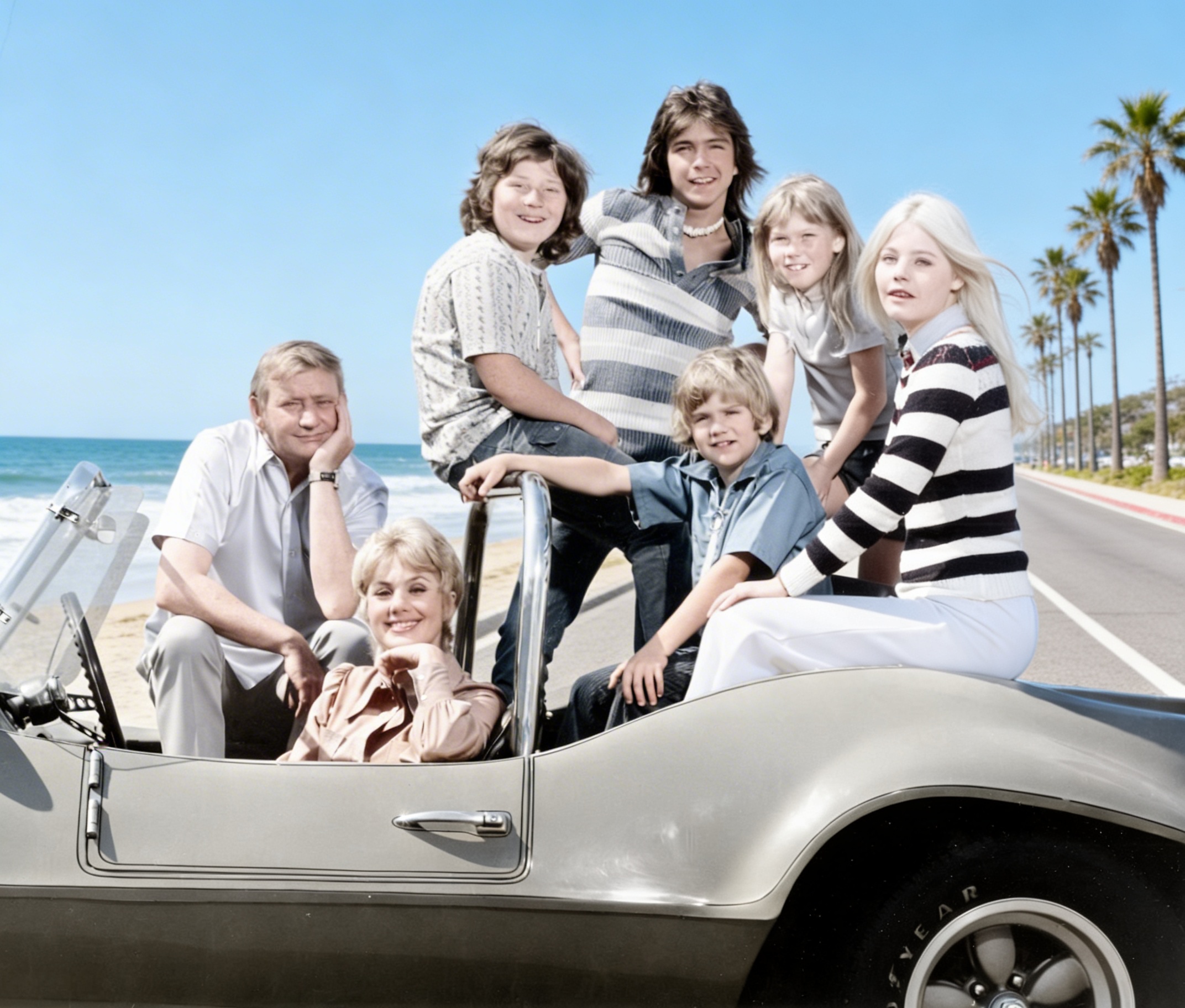
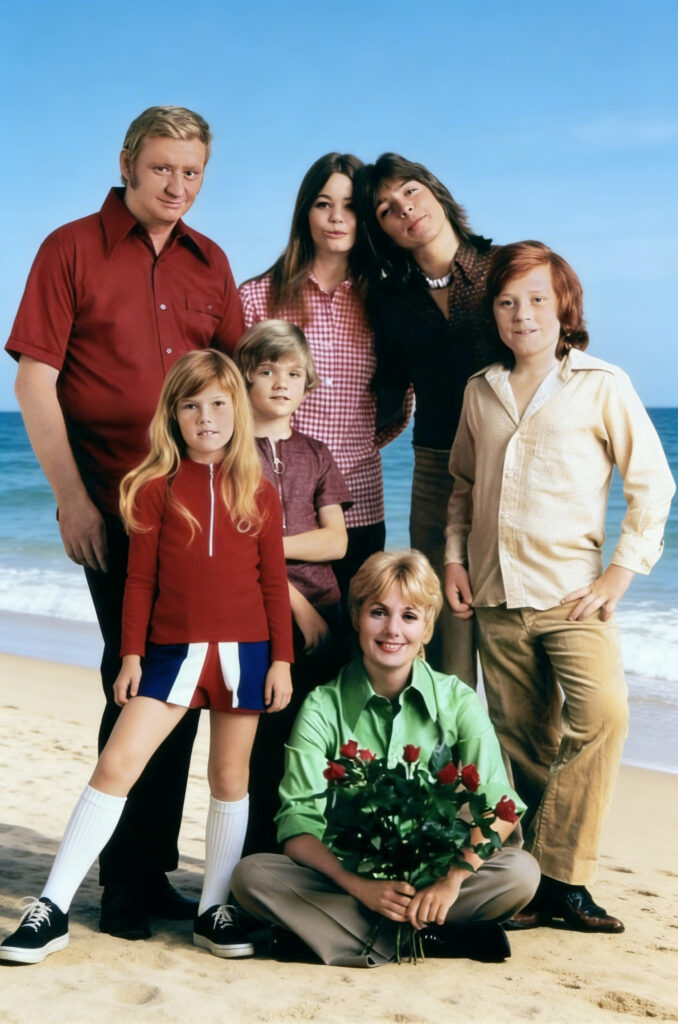
At its heart, Looking Through the Eyes of Love is a song about how affection can soften the world, and in a live setting The Partridge Family makes that sweetness feel even more immediate.
Released in 1972 from the album Shopping Bag, Looking Through the Eyes of Love arrived during a fascinating moment in the story of The Partridge Family. The television series was still a beloved presence in popular culture, David Cassidy had become one of the defining young stars of the early 1970s, and the records were still reaching listeners even as pop music around them was growing more introspective and more grounded in the singer-songwriter mood of the era. As a single, the song climbed to No. 39 on the Billboard Hot 100. That may not place it among the group’s towering chart landmarks, but the numbers only tell part of the story. Its real strength lies in its tenderness, its melodic ease, and its quiet faith in romance.
There is something especially touching about this song because it does not rush to impress. Unlike the bright, immediate sparkle of I Think I Love You or the dramatic pull of some of the group’s earlier hits, Looking Through the Eyes of Love unfolds with a softer touch. It feels patient. It feels sincere. The lyric rests on a simple but timeless idea: love does not merely add happiness to life, it changes the way life itself is seen. That old phrase about the world looking different when the heart is awake becomes the entire emotional engine of the song. It is not cynical, not clever for its own sake, and not interested in fashionable distance. It simply believes in feeling, and that is exactly why it still reaches people.
The live angle makes that emotional core even clearer. Whenever Looking Through the Eyes of Love appears in live form, whether on a stage or in a television performance, the song takes on an added warmth. The polish of the studio version remains part of its charm, of course, but a live presentation introduces a touch of fragility that suits the material beautifully. You can sense the space around the vocal. You can feel the pauses a little more. And in that setting, David Cassidy often sounds less like a teen idol delivering a hit and more like a young singer leaning into a thought he genuinely wants the audience to hear. That shift matters. It brings the song closer to the listener.
The backstory of The Partridge Family has always been part of the fascination. On screen, the group was presented as a cheerful family band rolling from town to town in a painted bus, but the recordings themselves were shaped in the studio by top Los Angeles session musicians, with David Cassidy providing the central vocal identity and Shirley Jones helping maintain the family signature that audiences recognized instantly. That contrast between television fantasy and professional pop craftsmanship gave the records their unusual place in music history. They were polished, accessible, and made for mass appeal, yet the best of them carried far more heart than critics sometimes admitted. Looking Through the Eyes of Love is one of the clearest examples of that hidden depth.
By the time this single was released, David Cassidy was already trying to move beyond the limitations of the teen-idol image that fame had placed around him. That tension adds an intriguing layer to the song. There is a sweetness in the performance, yes, but there is also maturity in the phrasing. He does not oversing it. He lets the melody breathe. He allows the lyric to stay graceful rather than grand. In many ways, that restraint is what gives the song its staying power. It understands that romance does not always need fireworks. Sometimes it lives in a gentler promise, in the hush of a melody that chooses warmth over spectacle.
The meaning of the song has also aged well because it speaks to a universal human habit: we remember certain seasons of life not only for what happened, but for how the world looked while those feelings were alive. That is the emotional landscape Looking Through the Eyes of Love captures so beautifully. Streets seem softer. Ordinary afternoons feel touched by possibility. Even uncertainty loses some of its weight. The song does not pretend that love solves everything. Instead, it suggests something subtler and perhaps more truthful: that love can briefly remake the atmosphere around us. Few pop records say that with such uncomplicated grace.
It is also worth noting that songs like this helped define why The Partridge Family meant so much to listeners in the first place. Beneath the bright colors, the television smiles, and the carefully packaged image, there was often a sincere melodic instinct at work. The group understood how to deliver songs that felt safe without feeling empty, emotional without becoming heavy. In a musical world that could sometimes mistake hardness for seriousness, Looking Through the Eyes of Love stood for something else entirely. It believed that gentleness was enough. It believed melody still mattered. It believed that a pop performance could be polished and heartfelt at the same time.
That is why the live version leaves such a lingering impression. It reminds us that the song was never just a pleasant piece of television-era pop. It was, and remains, a finely shaped ballad with a generous heart. The applause around it may belong to another era, and the image of The Partridge Family may carry all the color and nostalgia of early 1970s entertainment, but the emotional truth inside the song is timeless. Seen through the lens of a live performance, Looking Through the Eyes of Love becomes more than a memory. It becomes a small, shining reminder of how deeply a simple melody can stay with us.