 By Classic Oldies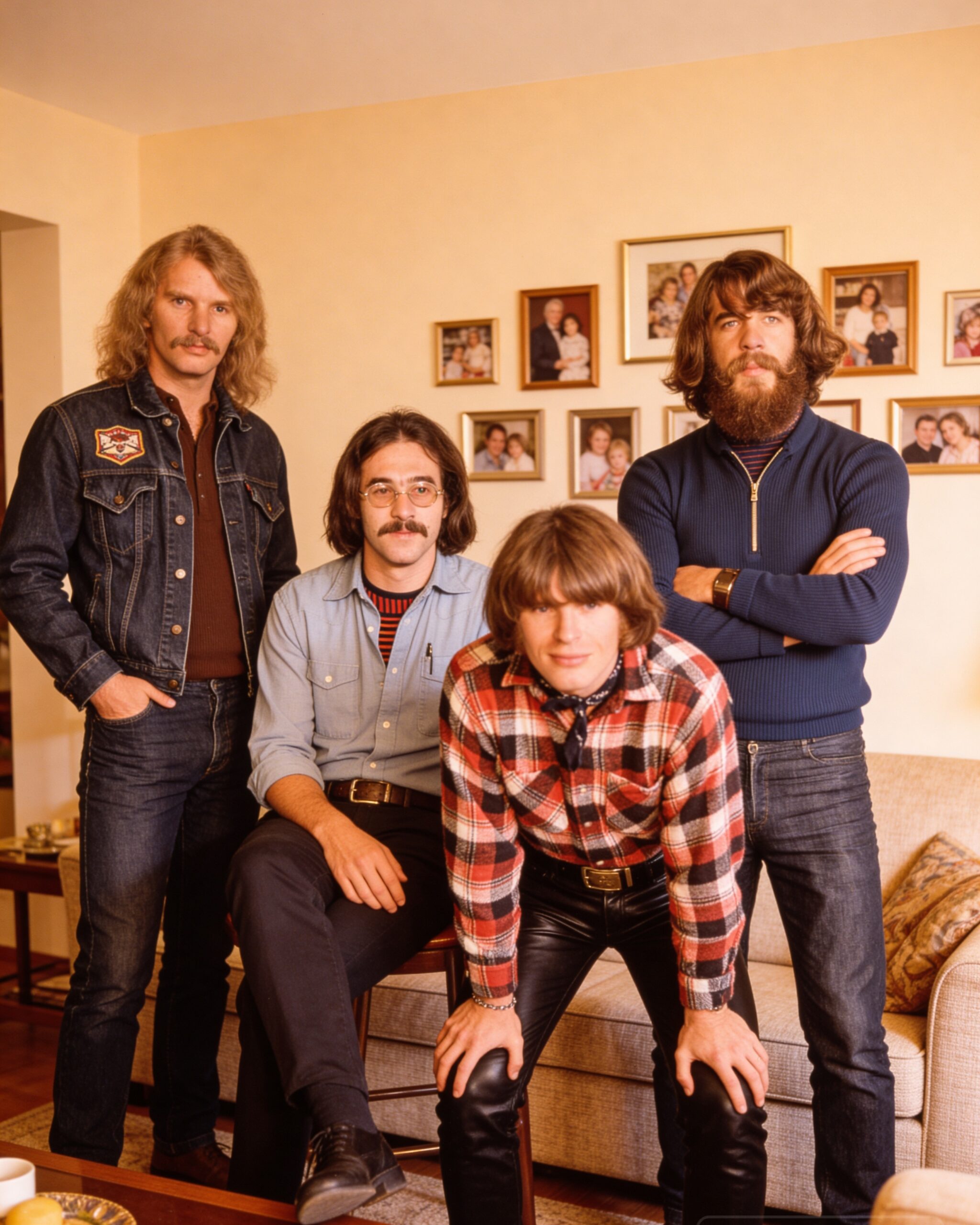
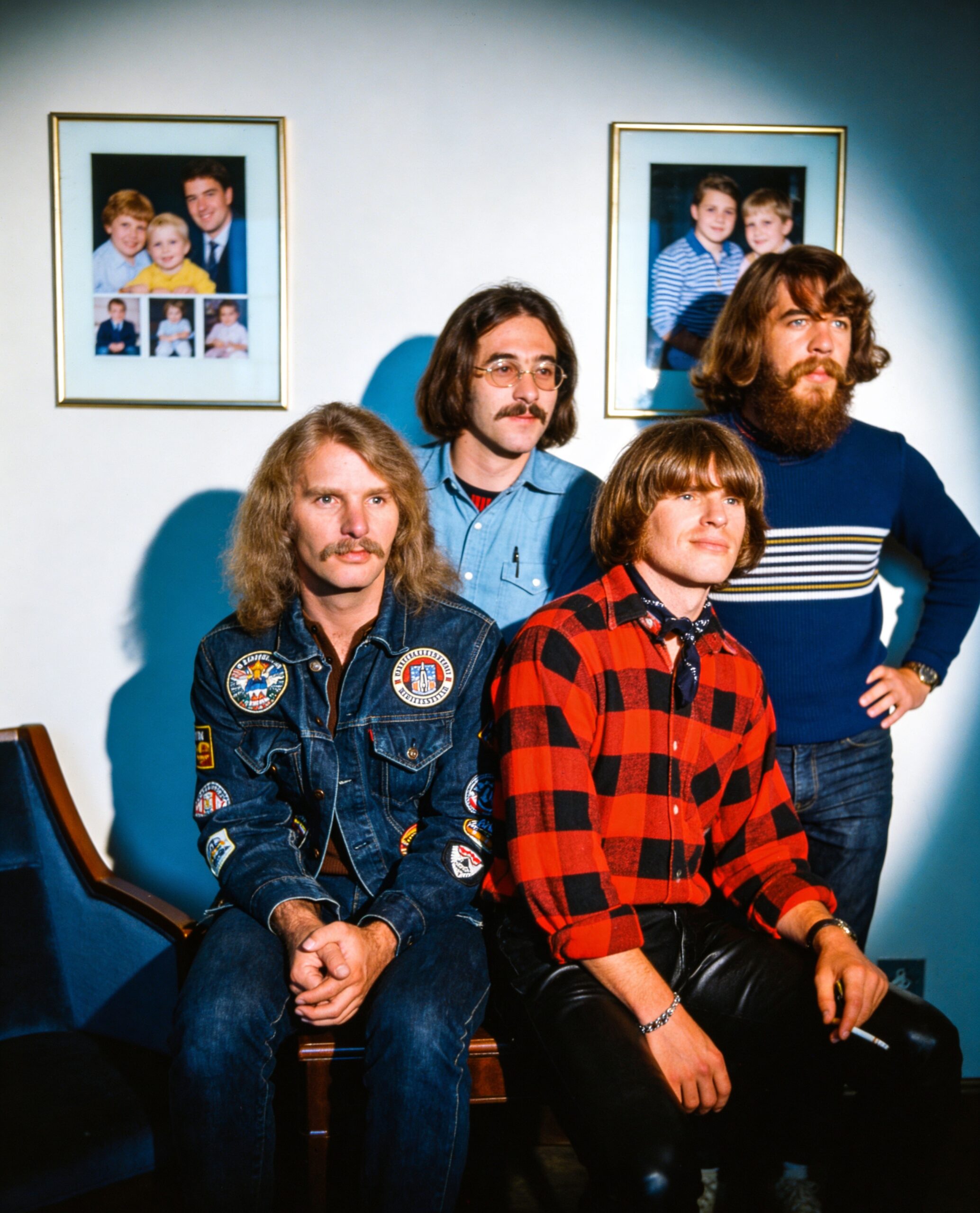
A fast, laughing road song on the surface, Sweet Hitch-Hiker became one of Creedence Clearwater Revival‘s final great bursts of motion before the long ride began to fade.
When Creedence Clearwater Revival released Sweet Hitch-Hiker in 1971, the single did more than give radio one more sharp jolt of American rock and roll. It reached No. 6 on the Billboard Hot 100 in the United States, climbed to No. 2 in Canada, and became the group’s final Top 10 hit in America. That matters, because by then the ground beneath the band was already shifting. The song arrived after Tom Fogerty had left the group, and it would later appear on Mardi Gras, the final studio album by CCR. So even before a listener notices the grin in the groove, there is a deeper feeling attached to it now: this was one of the last times the band sounded like the open road itself.
Written and sung by John Fogerty, Sweet Hitch-Hiker does not come wrapped in sorrow. It does something more interesting. It races. It flashes by. It feels sunlit, dusty, restless, and a little reckless in the way so many great rock singles from that era did. The beat pushes forward with that familiar CCR urgency, while the guitars and rhythm section keep everything tight, lean, and alive. There is no grand studio excess here, no ornamental polish for its own sake. Instead, the record carries the old Creedence virtues: compression, momentum, instinct, and a deep trust in the force of a simple riff played exactly right.
That simplicity is part of why the song has lasted. On paper, the lyric is almost casual: a roadside encounter, a beautiful stranger, a sudden spark, a ride that becomes a memory before it has even fully settled. But songs like this often survive because they understand something larger hiding inside ordinary scenes. In Sweet Hitch-Hiker, the hitchhiker is not only a person. She becomes a symbol of chance itself, of interruption, of the sudden turn in the day that reminds you life is still moving. So much of John Fogerty‘s writing, even at its most playful, carried that sense of motion. Rivers moved. Trains moved. Cars moved. The landscape rolled by. Here, that old CCR fascination with travel and momentum comes rushing back in miniature, turned into a two-and-a-half-minute burst of flirtation and freedom.
And yet the song’s real power may lie in the contrast between what it sounds like and what was happening around it. By 1971, Creedence Clearwater Revival was no longer the unstoppable unit that had dominated the turn of the decade with Bayou Country, Green River, Willy and the Poor Boys, and Cosmo’s Factory. The astonishing run of hits had already taken its toll. Internal tensions were growing, and the sense of common direction was weakening. In that setting, Sweet Hitch-Hiker feels almost defiant. It refuses to sound burdened. It refuses to sound like a band collapsing under its own history. Instead, it kicks open the door and tears down the highway as if the good times still have one more mile to give.
That is why many listeners hear more in it now than they may have heard on first release. Back then, it was simply another strong CCR single, another track with that unmistakable John Fogerty voice at the center, another reminder that the band could take roots rock, country swing, swamp rhythm, and old-fashioned rock and roll and fold them into something instantly their own. But in hindsight, the record glows differently. It sounds like one last clean spark from a machine that had already begun to strain. Not a farewell song, exactly, but a song that now carries the emotion of a farewell because of where it sits in the story.
Musically, it also points back to what Creedence always did better than almost anyone else: making motion feel physical. You can hear the wheels turning in the rhythm. You can almost see heat rising from the road. There is a bright, almost rockabilly bounce in the arrangement, but it never drifts into nostalgia for its own sake. The performance is too urgent for that. John Fogerty sings with a grin in his throat and grit in the edges, as if he knows the song works best when it sounds immediate rather than carefully explained. Stu Cook and Doug Clifford keep the frame sturdy and driving, giving the whole track its engine.
As for meaning, Sweet Hitch-Hiker may be light on confession, but it is rich in atmosphere. It celebrates the small miracle of an unexpected encounter, the kind that seems to belong especially to youth, travel, summer, and radio. Yet even now, long after its chart run ended, the song still carries that same little jolt. It reminds us that some records do not endure because they are solemn or profound in an obvious way. They endure because they bottle a sensation almost perfectly. This one bottles movement, appetite, and the brief happiness of not knowing where the next mile leads.
There is something touching in that. The final chapters of famous bands are often remembered only through conflict, disappointment, or decline. But Sweet Hitch-Hiker offers a different memory. It lets Creedence Clearwater Revival be quick, sharp, and alive one more time. It lets them laugh into the wind. And decades later, that may be the song’s finest gift: not just that it was a hit, not just that it reached the charts, but that it still sounds like freedom passing by with the windows down.