 By Classic Oldies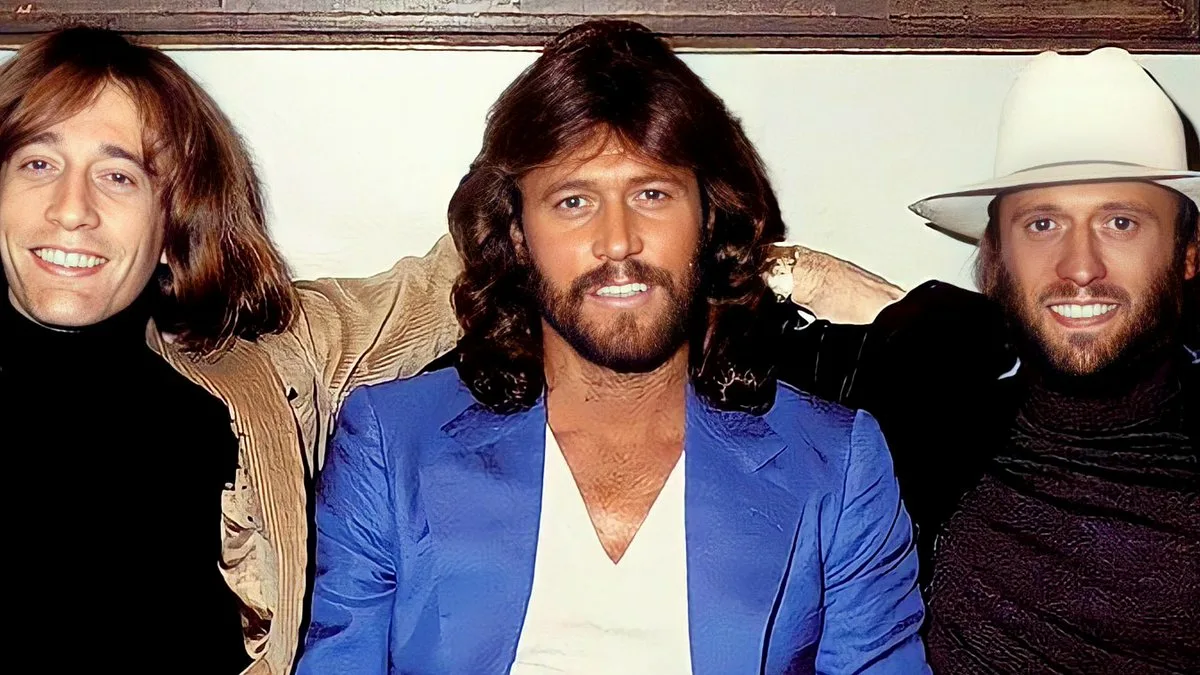
You Should Be Dancing is more than a disco hit; it is the sound of release, motion, and the exact moment the Bee Gees turned rhythm into pure electricity.
Few songs announce a musical transformation as boldly as You Should Be Dancing. Released in 1976 as the lead single from Children of the World, it did not simply become another hit for the Bee Gees; it became a declaration. The record climbed to No. 1 on the Billboard Hot 100 in the United States and reached No. 5 on the UK Singles Chart, confirming that the group had moved into a new, sharper, more physical sound. Then came Saturday Night Fever, and the song found an even larger stage. By the time the film turned disco into a global mood, this record was already blazing. The movie did not create its power; it magnified it.
That is part of what makes the song endure. People often remember it through the glow of Saturday Night Fever, but its real story begins a little earlier, in the Bee Gees’ Miami period, when Barry, Robin, and Maurice Gibb were absorbing American R&B, funk, and the restless pulse of the dance floor. Working with producers Albhy Galuten and Karl Richardson, the brothers built a sound that felt tighter, hotter, and more urgent than much of their earlier work. There was still craftsmanship, still melody, still the unmistakable family blend, but now there was also a relentless body rhythm underneath it all. The drums pushed, the bass locked in, the horns snapped into place, and Barry’s falsetto rose above the groove like a bright flame.
What made You Should Be Dancing so exciting in 1976, and still so immediate now, is that it never sounds lazy or decorative. It sounds driven. The title itself reads like a simple invitation, but in performance it carries something more insistent. This is not background music. It is music that calls you out of your chair, out of your thoughts, out of the heaviness of the day. There is joy in it, certainly, but there is also urgency. The song understands something timeless: sometimes movement is not just pleasure, it is relief. Sometimes the body knows what the heart needs before the mind can say it aloud.
Barry Gibb’s vocal deserves special notice here. On this track, his falsetto is not fragile or ornamental. It is athletic, ecstatic, and almost percussive in its own right. That became one of the defining sounds of late-1970s pop, but You Should Be Dancing was one of the records that truly fixed it in the public imagination. The performance feels fearless. It is polished, yes, but never cold. Underneath the glitter and momentum, there is something deeply human in the way the song keeps reaching upward, as if dance itself were a form of survival.
Its connection to Saturday Night Fever only deepened that feeling. When the song was folded into the soundtrack of the 1977 film, it became tied forever to the image of crowded floors, sharp suits, mirrored rooms, and weekend escape. Yet that cultural association should not overshadow the craftsmanship of the original recording. Long before it became part of a cinematic legend, it was already a masterclass in groove construction. The arrangement is lean but never thin, rich but never cluttered. Every part knows exactly when to strike. That is why the record still feels alive rather than merely nostalgic.
The 2007 remastered version helps modern listeners hear those details with fresh clarity. The percussion feels crisper, the bass more grounded, the vocal layering more vivid. Remastering cannot create greatness, of course, but it can remove a little dust from greatness that was already there. In this case, it lets the listener hear just how carefully the Bee Gees balanced sophistication and raw excitement. You notice the snap of the rhythm guitar, the bite of the horns, the elegant control behind a song that sounds gloriously uncontained.
There is also a larger historical reason the song matters. You Should Be Dancing helped prove that the Bee Gees were not simply adapting to a trend; they were helping define an era. Without this record, the path to later landmarks such as Stayin’ Alive and Night Fever would feel incomplete. It was a bridge between the group’s earlier songwriting brilliance and the dazzling run that made them central to the sound of the late 1970s. In many ways, this is the moment when the temperature fully changed.
And maybe that is why the song still lands with such force. Beneath its famous beat and its dance-floor command, there is a feeling that time has not worn away: the longing to feel alive for a few bright minutes, to let rhythm carry what words cannot. That is the quiet truth inside You Should Be Dancing. For all its flash, it remains wonderfully direct. It knows that music can lift the room, loosen the spirit, and turn an ordinary night into something remembered for decades.