 By Classic Oldies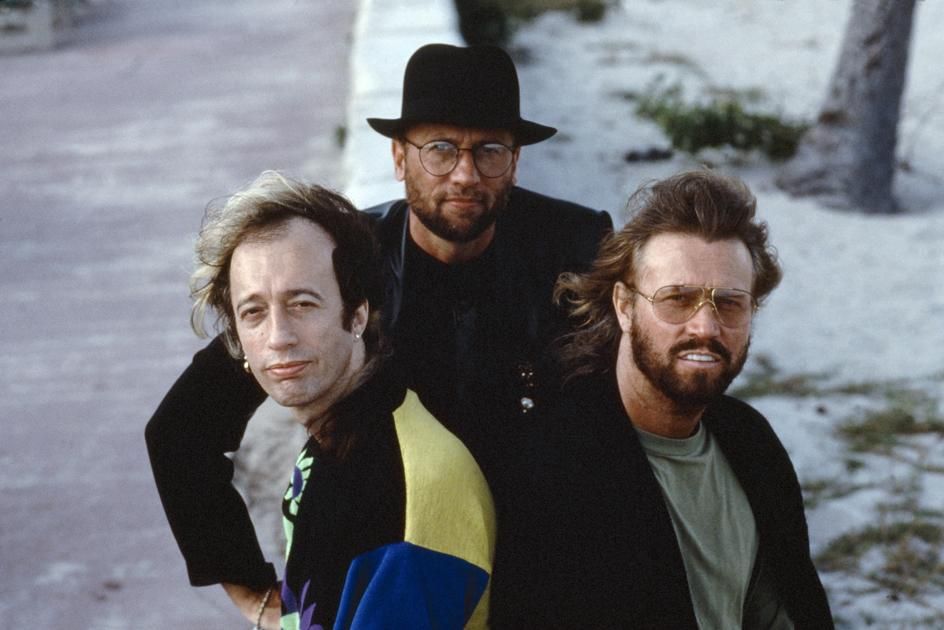
Living Eyes is the sound of the Bee Gees stepping away from the glare and singing about love with clearer, older, more human vision.
When Bee Gees released Living Eyes in 1981, they were no longer riding the same commercial wave that had made them nearly untouchable just a few years earlier. The album Living Eyes reached No. 41 on the Billboard 200 in the United States, a modest showing by the standards of the brothers who had once seemed to live permanently at the top. Yet numbers alone do not tell the story. The title song did not arrive with the fevered momentum of their late-1970s peak. It arrived with something subtler and, in many ways, more lasting: reflection, restraint, and a kind of emotional honesty that only becomes more moving with time.
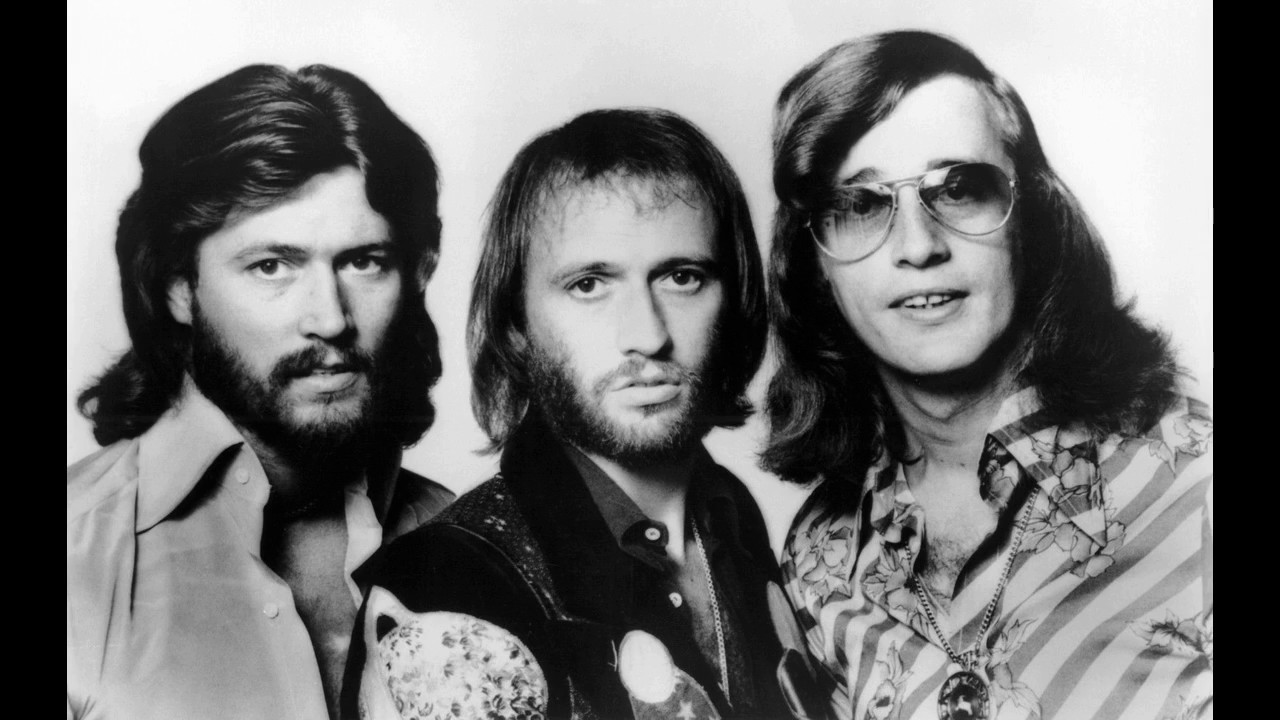
To understand why Living Eyes matters, it helps to remember where the group stood in 1981. The towering success of Saturday Night Fever, followed by Spirits Having Flown, had made Barry, Robin, and Maurice Gibb central figures in popular music. But the backlash against disco came swiftly and often unfairly, flattening public opinion into something crude and dismissive. The tragedy of that moment is that it obscured how gifted the Bee Gees really were, not just as hitmakers, but as songwriters of great feeling and precision. On Living Eyes, they did not beg for the past to return. They simply made a more intimate record.
That is what makes the song Living Eyes so compelling. It is not built to overwhelm the listener. It draws you closer instead. The arrangement leans into the early-1980s palette, with polished production, soft synthesizer textures, and a measured rhythm, but the emotional core is unmistakably the work of the Gibb brothers. This is not a dance-floor anthem. It is a song that breathes. Barry’s lead vocal carries a hushed urgency, while Robin and Maurice help surround the melody with the kind of harmony that had long been one of the group’s miracles. Even when the Bee Gees were changing styles, their instinct for emotional layering never left them.
The story behind the song is also the story behind the album. Living Eyes was the group’s first studio album after Spirits Having Flown, and it arrived after a period in which fame, expectation, and public fatigue had all become part of the atmosphere around them. Recorded with longtime collaborators Albhy Galuten and Karl Richardson, the record reflects artists who understood that survival in music is not always about repeating your loudest victory. Sometimes it is about accepting a quieter truth. Although the album’s first commercial push came with He’s a Liar, the title track feels like the emotional center of the project, the place where the brothers sound most unguarded.
Lyrically, Living Eyes is full of that unguarded quality. The title itself suggests more than simple romance. These are not decorative eyes, not empty glamour, not the stare of celebrity portraits. They are living eyes, eyes that have seen enough to carry memory, tenderness, doubt, and recognition all at once. The song seems to ask what it means to truly see another person, and to be seen in return, after illusions have burned away. That is part of why it lands so differently from the Bee Gees songs most casually remembered by the wider public. Beneath the smooth production is a meditation on emotional truth.
There is also something unmistakably adult in the way the song unfolds. It does not rush toward easy drama. It lingers in mood. It trusts stillness. That choice may have made it less explosive on radio in its own day, but it gives the record a depth that has aged beautifully. So much popular music is built for immediate impact and quick disappearance. Living Eyes works in the opposite direction. It grows more affecting when heard later in life, when the idea of reading a face, hearing what is not said, and feeling the distance between appearance and reality becomes more familiar than youthful certainty ever was.
Musically, the track is a reminder that the Bee Gees were always more versatile than their stereotypes. Yes, they could write irresistible hooks. Yes, they could own the rhythm of an era. But they also knew how to write songs of atmosphere, inwardness, and emotional shading. Living Eyes belongs to that tradition. It shares less with the pulse of the dance floor and more with the brothers’ long-standing gift for melancholy beauty, the same gift that had animated earlier ballads and would later enrich the songs they wrote for other artists throughout the 1980s.
The album itself carries a small but fascinating place in recording history as well. Living Eyes is often remembered as one of the earliest mainstream pop releases associated with the arrival of the compact disc era. That detail now feels symbolic. The record sat at a threshold: not only between formats, but between phases of the Bee Gees career. The frenzy was passing. The mythology was changing. What remained was craftsmanship, brotherhood, and a willingness to keep making music that reflected where they truly were.
That is why the song still deserves to be revisited. Living Eyes may not be the title that gets mentioned first in casual conversations about the Bee Gees, but for listeners who care about the deeper arc of their work, it is quietly essential. It captures a legendary group in transition, bruised by the moment yet unwilling to become bitter, searching for a new language without surrendering its soul. There is courage in that. There is beauty in that too.
If the great hits often show artists at their most triumphant, overlooked songs sometimes show them at their most revealing. Bee Gees gave the world plenty of undeniable classics, but Living Eyes offers something rarer: the sound of fame falling away just enough for truth to be heard. And once you hear it that way, the song no longer feels minor at all. It feels like a whisper from a remarkable chapter, and one that still has the power to stop you in your tracks.