 By Classic Oldies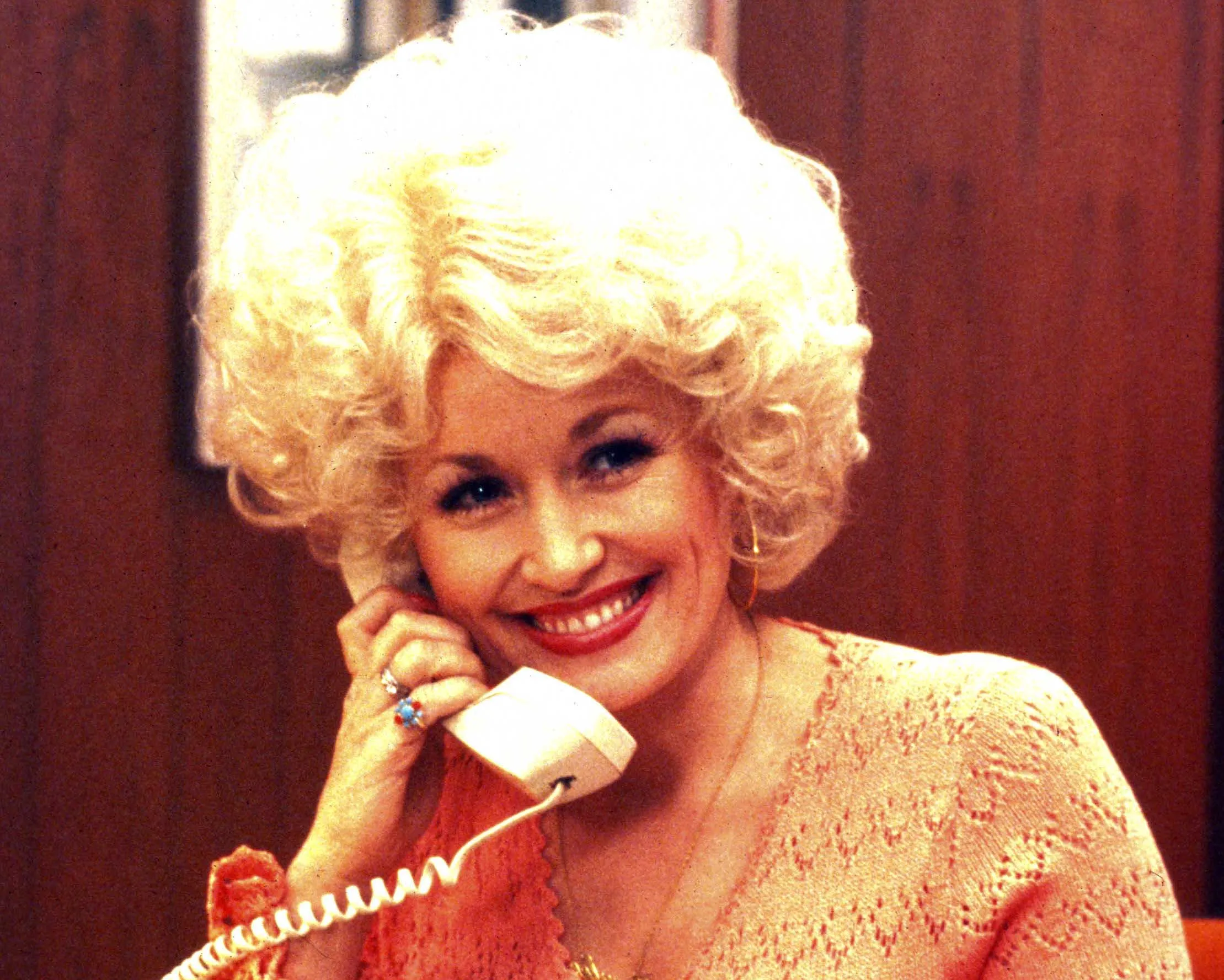
“9 to 5” is work turned into rebellion—exhaustion sharpened into wit, and a woman’s daily grind transformed into a smiling act of defiance.
When Dolly Parton wrote and recorded “9 to 5”, she didn’t set out to create a novelty anthem. She set out to tell the truth—plainly, cleverly, and with just enough humor to keep the anger from burning the house down. What emerged was not merely a hit song, but one of the sharpest pieces of social commentary ever to sit comfortably inside a pop-country chorus.
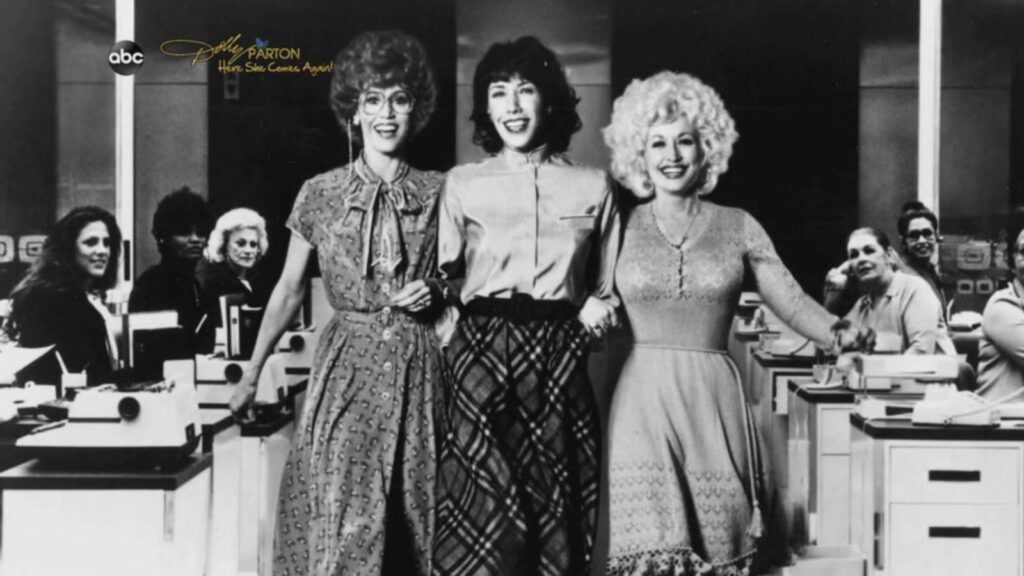
The song was written specifically for the 1980 workplace comedy 9 to 5, in which Parton also made her acting debut alongside Jane Fonda and Lily Tomlin. The story behind its creation has become legend because it sounds exactly like something only Dolly Parton would do: she reportedly used her long acrylic fingernails as a percussion instrument, tapping them together to create the song’s signature clicking rhythm—meant to mimic the sound of a typewriter or office machine. It’s a small detail, but it reveals everything. This song wasn’t imagined from a distance. It was built from observation, from rooms where time is measured in minutes and dignity is rationed carefully.
Released in November 1980, “9 to 5” appeared on Parton’s album 9 to 5 and Odd Jobs. Almost immediately, it struck a nerve. By January 1981, the song reached No. 1 on the Billboard Hot 100, making Dolly Parton one of the very few artists in history to top the pop chart with a song that was unapologetically rooted in working-class experience. It also hit No. 1 on the Billboard Hot Country Songs chart and No. 1 on the Adult Contemporary chart—a rare triple crown that underscored just how universal the message was. Everyone, it seemed, recognized themselves somewhere in those verses.
Lyrically, “9 to 5” is deceptively simple. The melody smiles. The tempo moves briskly. But listen closely, and you hear something sharper beneath the cheer. “It’s a rich man’s game, no matter what they call it, and you spend your life putting money in his wallet.” That line lands with remarkable precision. It doesn’t shout revolution. It states a fact. And facts, when spoken clearly, can be more dangerous than slogans.
What makes the song endure is Parton’s tone. She doesn’t sing with bitterness. She sings with clarity and resolve. The narrator is tired, yes—but not defeated. There is frustration in the lyric, but there is also intelligence, humor, and self-awareness. Dolly never portrays the worker as powerless. She portrays them as observant, capable, and aware of the imbalance—even if they’re still trapped inside it.
Musically, the song bridges worlds the way Parton always has. There’s country storytelling at its core, pop accessibility in its structure, and a rhythmic insistence that keeps the song moving forward—much like the workday it describes. It never drags, because the work never does. The arrangement mirrors the grind: relentless, efficient, and oddly catchy.
There is also a deeper cultural weight to “9 to 5” that only grows with time. In 1980, the song arrived at a moment when conversations about workplace equality—especially for women—were gaining visibility but still met resistance. Dolly Parton did not lecture. She sang. And in doing so, she slipped a critique of power, gender, and labor into radios across America without ever losing her warmth. That balance—kindness without softness, critique without cruelty—is one of her great gifts.
Parton herself has often spoken about how personally she felt the song, not because she worked in an office, but because she understood exploitation, long hours, and being underestimated. She has always aligned herself with working people, and “9 to 5” is perhaps the clearest expression of that loyalty. It’s not a fantasy of escape. It’s a recognition of reality—and a refusal to let that reality crush one’s spirit.
Decades later, the song remains startlingly relevant. Technology has changed. Offices look different. But the emotional truth of the lyric—the sense of being watched, undervalued, and overworked—still resonates. That’s why “9 to 5” hasn’t aged into nostalgia. It has aged into testimony.
In the end, “9 to 5” is not just about a job. It’s about dignity. About the quiet strength it takes to show up every day, do your work, and still believe you deserve more than survival. Dolly Parton sings it with a grin, but there is steel behind that smile. And that combination—grace with backbone—is exactly why the song didn’t just top the charts. It stayed.