 By Classic Oldies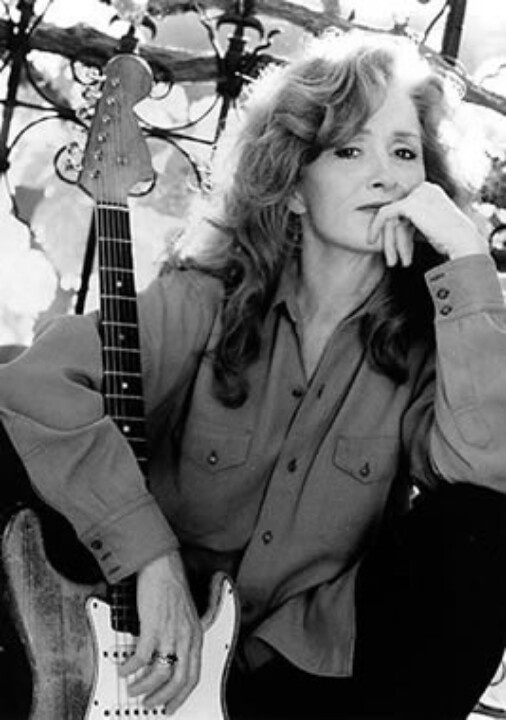
“Thank You” is Bonnie Raitt’s early, plainspoken benediction—a small song that proves gratitude can be its own kind of blues, warm enough to hold you when words run out.
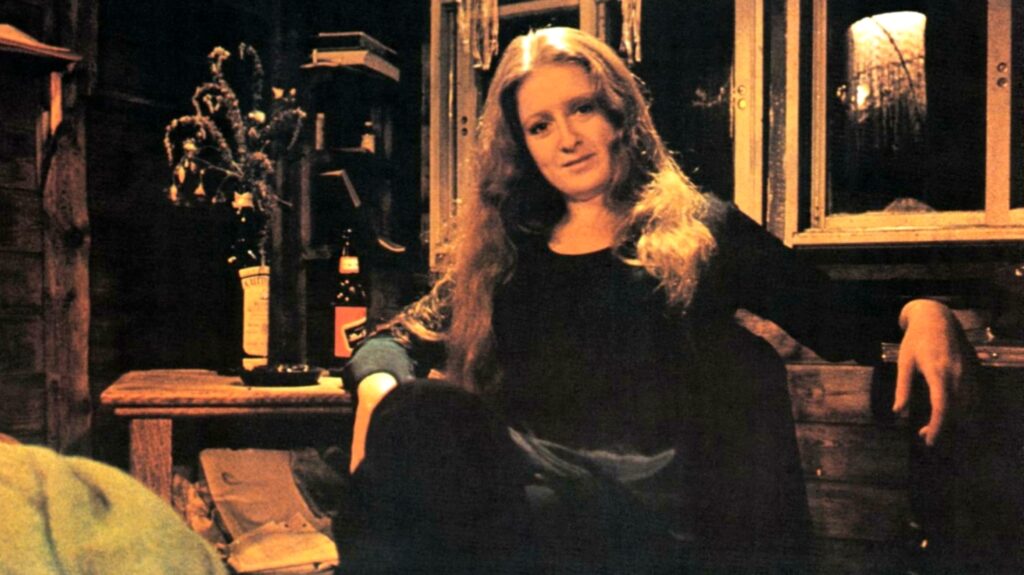
There are debut-album moments that feel like an artist announcing themselves with fireworks. Bonnie Raitt chose something rarer: she introduced herself with feel. Her self-titled first record, Bonnie Raitt (released November 1971 on Warner Bros.), doesn’t sound like a career move so much as a room you can step into—lamplit, lived-in, and honest. And right there near the front, at track three, sits “Thank You”—a brief, original piece written by Raitt herself, lasting under three minutes, modest in scale but quietly revealing.
What makes “Thank You” especially meaningful is that it’s not a “cover choice” or a borrowed classic. It’s Bonnie’s own voice as a writer—one of the moments on the album where she stops interpreting and simply speaks. If you want the “ranking at launch,” the truth is beautifully humble: “Thank You” wasn’t released as a chart single, and the album itself wasn’t a blockbuster—Wikipedia notes that sales were modest, even as critics recognized something special. More telling still, her next album, Give It Up (1972), is described as her first to reach Billboard’s Top LPs chart—an indirect but clear sign that the debut’s impact was more reputation than numbers.
And what a reputation it was building. The debut album was recorded in August 1971 at a most un-rock-star location: an empty summer camp on Enchanted Island on Lake Minnetonka, Minnesota. Raitt’s own liner-notes explanation is almost a mission statement: they recorded live on four tracks to keep the music spontaneous—to protect the human breath inside the performance from the clinical perfection that overdubs can invite. The album’s producer, Minneapolis musician Willie Murphy, helped shape that earthy, close-miked sound.
In that setting, “Thank You” feels less like a “track” and more like a moment caught while the tape was rolling—someone turning from the band, turning inward, and saying the simplest thing that can still carry a whole life. It’s also one of those delicious early details that deepen the intimacy: on this song, Raitt plays acoustic piano (not just guitar), as if she’s choosing a different posture for the feeling—hands on keys, shoulders relaxed, voice close to the ear. Around her, the personnel list hints at a subtle, street-corner color—horns and reeds in the mix, including baritone sax and flute credited on the track. That instrumentation matters, because gratitude in blues music is rarely just “sweet.” It’s often gratitude with history behind it: relief, survival, the memory of nights when you didn’t know if tenderness would show up at all.
Critics heard early on that this young singer-guitarist was already operating with an adult emotional palette. Robert Christgau’s Consumer Guide line—calling the album an “adult repertoire that rocks with a steady roll” and noting she was “all of twenty-one years old”—still lands like a small miracle. “Thank You” is part of what makes that observation true. It isn’t teenage gratitude, bright and effortless; it’s gratitude that sounds earned—as if appreciation has already learned to share the room with longing.
The deeper meaning of “Thank You” is the kind you recognize more than you analyze. A “thank you” can be a closing line, the way you end a conversation politely. But in Raitt’s world—this Lake Minnetonka world of live takes and unvarnished tone—“thank you” becomes a way of staying human. It’s the acknowledgement that someone helped you through, that love (even imperfect love) left you better than it found you, that sometimes the most dignified thing we can offer is honest appreciation instead of a dramatic speech.
That’s why “Thank You” remains quietly moving when you return to it now. It carries the early imprint of Bonnie Raitt before the Grammys, before the late-career triumphs—when the spotlight was still a distant idea and the music itself had to do all the persuading. In less than three minutes, she gives you a portrait of an artist choosing sincerity over spectacle. And if you let it, the song leaves you with a gentle afterthought that feels almost old-fashioned in the best way: gratitude isn’t just manners. Sometimes it’s the last light left on in the house.