 By Classic Oldies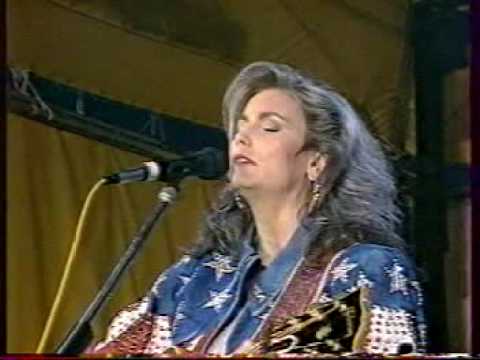
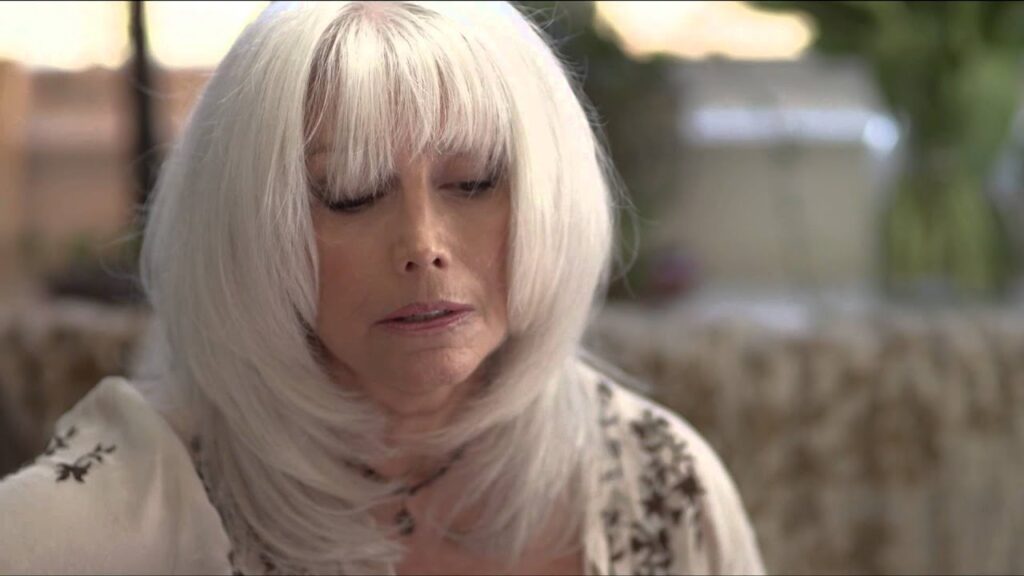
“Darkest Hour Is Just Before Dawn” is a hymn of stubborn hope—proof that when night feels endless, the first hint of light may already be on its way.
Recorded in July 1979 and released on April 30, 1980, Emmylou Harris’ version of “Darkest Hour Is Just Before Dawn” appears as Track 5 on her bluegrass-leaning masterpiece Roses in the Snow (producer Brian Ahern). If you measure “arrival” by the charts, the album is the headline: No. 26 on the Billboard 200 and No. 2 on Billboard Top Country Albums, plus a Grammy nomination for Best Female Country Vocal Performance at the 23rd Annual awards. Yet the real marvel of this track is that it doesn’t chase glory at all—it offers relief. It’s a lantern-song, meant for the hour when the house is quiet and the mind is loud.
The song itself is credited to Ralph Stanley, a cornerstone figure in bluegrass and mountain gospel. And “mountain gospel” is exactly the right phrase here, because this piece didn’t begin as a pop standard—it was born in that older American place where faith is both comfort and discipline. The Stanley Brothers recorded “The Darkest Hour Is Just Before Dawn” in May 1960, and it appeared on their album Sacred Songs from the Hills later that year. In other words: before Emmylou ever touched it, the song already carried decades of footsteps—church floors, radio waves, family harmonies, the steady repetition of people trying to outlast hard times.
What makes Emmylou Harris’ rendition especially poignant is that, on her recording, the lead vocal spotlight shifts. According to session documentation in a bluegrass discography, Ricky Skaggs—already a dazzling young musician—handles lead and harmony vocals on the track. That choice tells you everything about the artistic spirit of Roses in the Snow: it’s not an “Emmylou show,” it’s a community record—friends gathered close around a single microphone idea, each voice stepping forward when the song asks them to. The same source lists Skaggs playing an armful of instruments (fiddle/mandolin/guitar), with Brian Ahern and Emory Gordy Jr. anchoring the acoustic frame—simple tools, expertly used.
And then the lyric enters like a slow sunrise: the sun is slowly sinking… the day’s almost gone… It’s one of the oldest tricks in spiritual music—setting you inside the natural world so the lesson doesn’t feel preached, only witnessed. Darkness falls. The road continues. And there it is, the line that’s both proverb and promise: “the darkest hour is just before dawn.” Even if you’ve never stepped inside a church, you recognize the emotional truth: the moment when you feel most defeated is often the moment right before change—because the human spirit tends to collapse at the edge of endurance, exactly when it has carried itself as far as it can.
That’s why this song matters within Roses in the Snow, an album already devoted to the idea that older forms still speak plainly to modern hearts. Wikipedia’s overview of the record is blunt about the intention: Harris leans into bluegrass-inspired material and draws from tradition as confidently as she draws from contemporary writers, with guests like Ricky Skaggs, Dolly Parton, Linda Ronstadt, The Whites, and even Johnny Cash appearing across the track list. The album’s singles were “Wayfaring Stranger” (No. 7 Country) and “The Boxer” (No. 13 Country)—proof the public did find this quieter, rootsier direction, even on radio. But “Darkest Hour Is Just Before Dawn” feels like something even more private than a single: a spiritual spare key, the one you keep because someday you’ll need to get back inside yourself.
There’s also a beautiful realism in the song’s faith. It does not promise that the night won’t come. It doesn’t claim the believer is immune to fear. It simply insists that the journey continues—and we must journey on—a line that sounds less like inspiration-poster certainty and more like lived, rural wisdom: you keep walking because there’s nothing else to do, and because stopping doesn’t change the weather. In that sense, the “dawn” isn’t cheap optimism; it’s earned.
So when you hear Emmylou Harris connected to this track, think of what she’s really curating on Roses in the Snow: not nostalgia, but endurance. She’s placing a Ralph Stanley gospel composition—first carried into the world in 1960—into a 1980 album that itself would climb high on both country and mainstream charts. The timeline becomes the message: the same hope keeps finding new voices.
And that, finally, is why “Darkest Hour Is Just Before Dawn” stays with you. It doesn’t try to be clever. It tries to be true. It meets you exactly where you are—tired, uncertain, waiting—and it speaks in the calmest language possible: the night is real, but it is not the end of the story.