 By Classic Oldies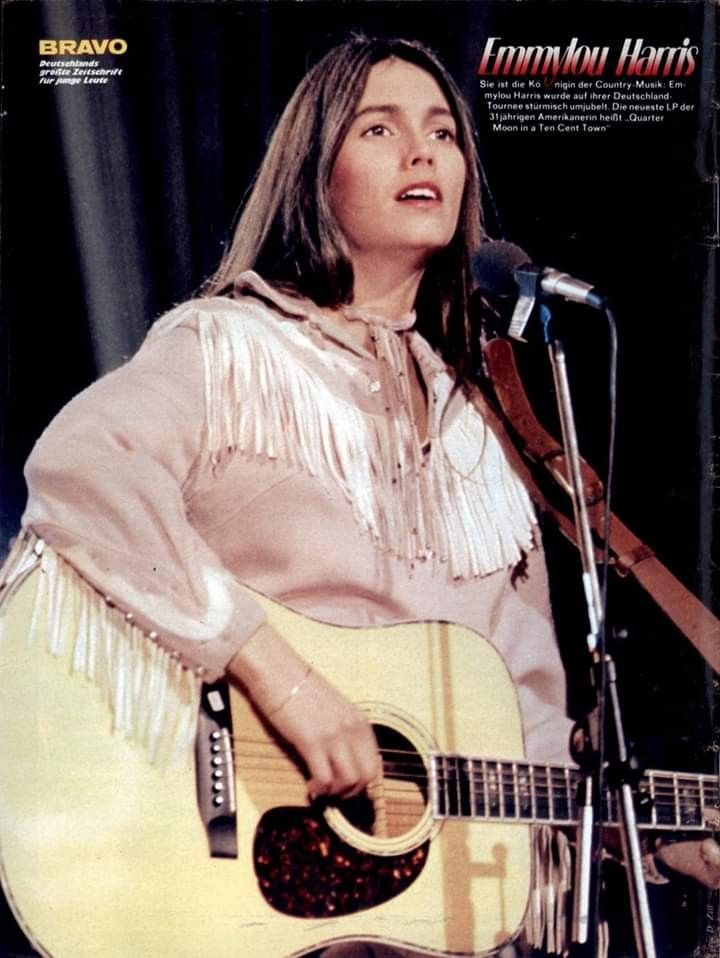
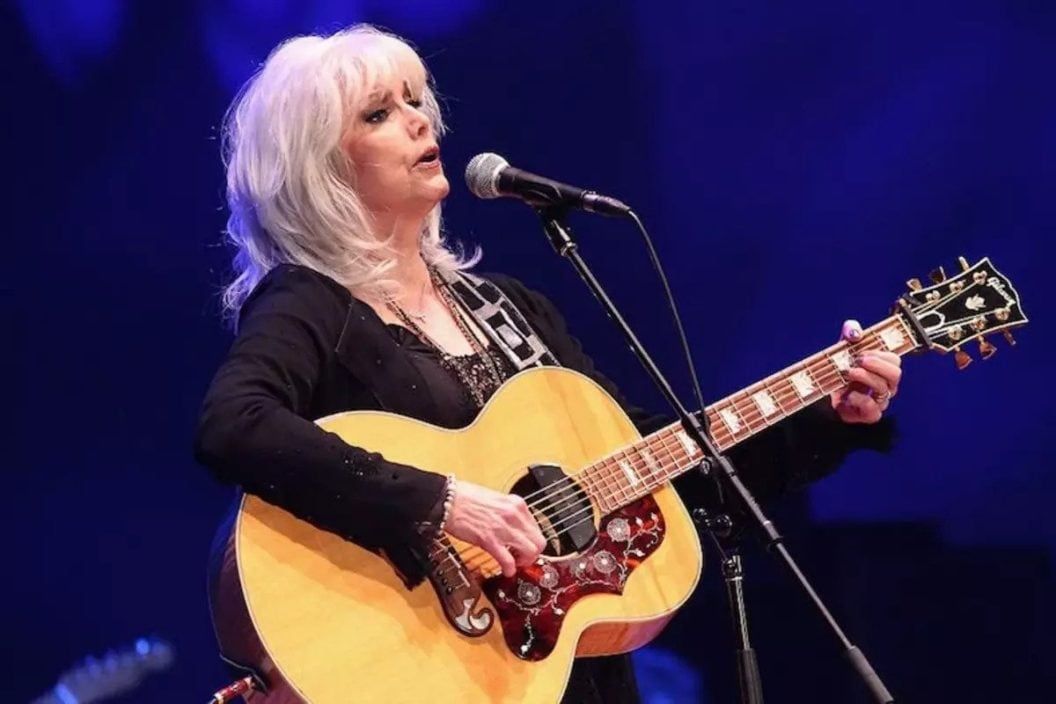
“Orphan Girl” is a lullaby for the lost—Emmylou Harris singing as if she’s lighting a lantern for anyone who’s ever felt unclaimed, and promising that somewhere beyond the miles, there’s still a way home.
Released on September 26, 1995, Emmylou Harris’s album Wrecking Ball arrived like a weather change—moody, spacious, and brave enough to let silence speak. Produced by Daniel Lanois, it marked a dramatic turn away from Harris’ more traditional acoustic framing into a sound world of echo, dusk, and devotional atmosphere. Within that world, “Orphan Girl” sits late in the sequence—track 10, running 3:15—and its placement feels deliberate: after the storms and reckonings, here is a simple human ache, presented without armor.
Important detail, right up front: “Orphan Girl” was written by Gillian Welch. Welch would soon release her own debut album, Revival, on April 9, 1996, and she chose “Orphan Girl” as the opening track—proof that she understood its power as a first sentence, a doorway into her artistic world. Yet there’s a quiet twist of fate here: Harris recorded and released the song first, on Wrecking Ball in 1995. It’s one of those beautiful Americana chain-reactions—an elder interpreter hearing a new writer’s voice and saying, yes… this belongs in the canon.
Because “Orphan Girl” wasn’t issued as a lead single, it doesn’t offer a neat “debut chart position” of its own. Its chart story is the album’s story: Wrecking Ball reached No. 94 on the Billboard 200 and No. 46 on the UK Albums Chart, while also topping the UK Country Albums chart at No. 1—a reminder that this record connected deeply, even if it didn’t chase pop dominance. The real victory was artistic and lasting: the album went on to win the 1996 Grammy Award for Best Contemporary Folk Recording.
What makes Emmylou Harris’s “Orphan Girl” unforgettable is how the performance feels both intimate and elemental. The credits read like a small circle gathered around a fire: Harris on vocals and acoustic guitar (and harmony vocal), Daniel Lanois adding mandolin and dulcimer shimmer, Malcolm Burn on tambourine, and—most strikingly—Larry Mullen Jr. (of U2) on hand drum, giving the track a pulse that feels like footsteps on a long road. That hand drum matters. It doesn’t sound flashy; it sounds patient. It’s the rhythm of endurance—someone continuing onward because standing still would hurt more.
And then there is the meaning, which the title states with almost cruel simplicity: “Orphan Girl.” Not just a child without parents, but a person without an anchor—someone who has been cut loose from the ordinary assurances other people inherit without noticing. Welch’s writing often carries the flavor of old Appalachian hymn and folk ballad—plain language that feels ancient, like it has been passed from porch to porch for a hundred years. A profile of the song notes how naturally it sounds like it could have come straight out of Appalachia, even though it’s a modern composition.
In Harris’s voice, that “orphan” feeling becomes something wider than biography. It becomes the quiet terror of not belonging—of being the last one awake in a dark house, listening for a sound that never comes. Yet the song doesn’t wallow. It reaches. It keeps reaching. The beauty of “Orphan Girl” is that it treats longing as a kind of faith: the belief that a home exists somewhere, even if you can’t point to it on a map. Lanois’ production helps—everything slightly misted, slightly distant, as if memory itself is doing the mixing.
So when you return to “Orphan Girl” today, you don’t just hear a cover. You hear a meeting of generations—Gillian Welch offering a new “old” song to the world, and Emmylou Harris receiving it like scripture, singing it as though she’s always known the words. And maybe that’s the deepest comfort the track gives: the sense that even if you’ve felt unclaimed, a song can claim you—briefly, tenderly—and hold you until the night passes.