 By Classic Oldies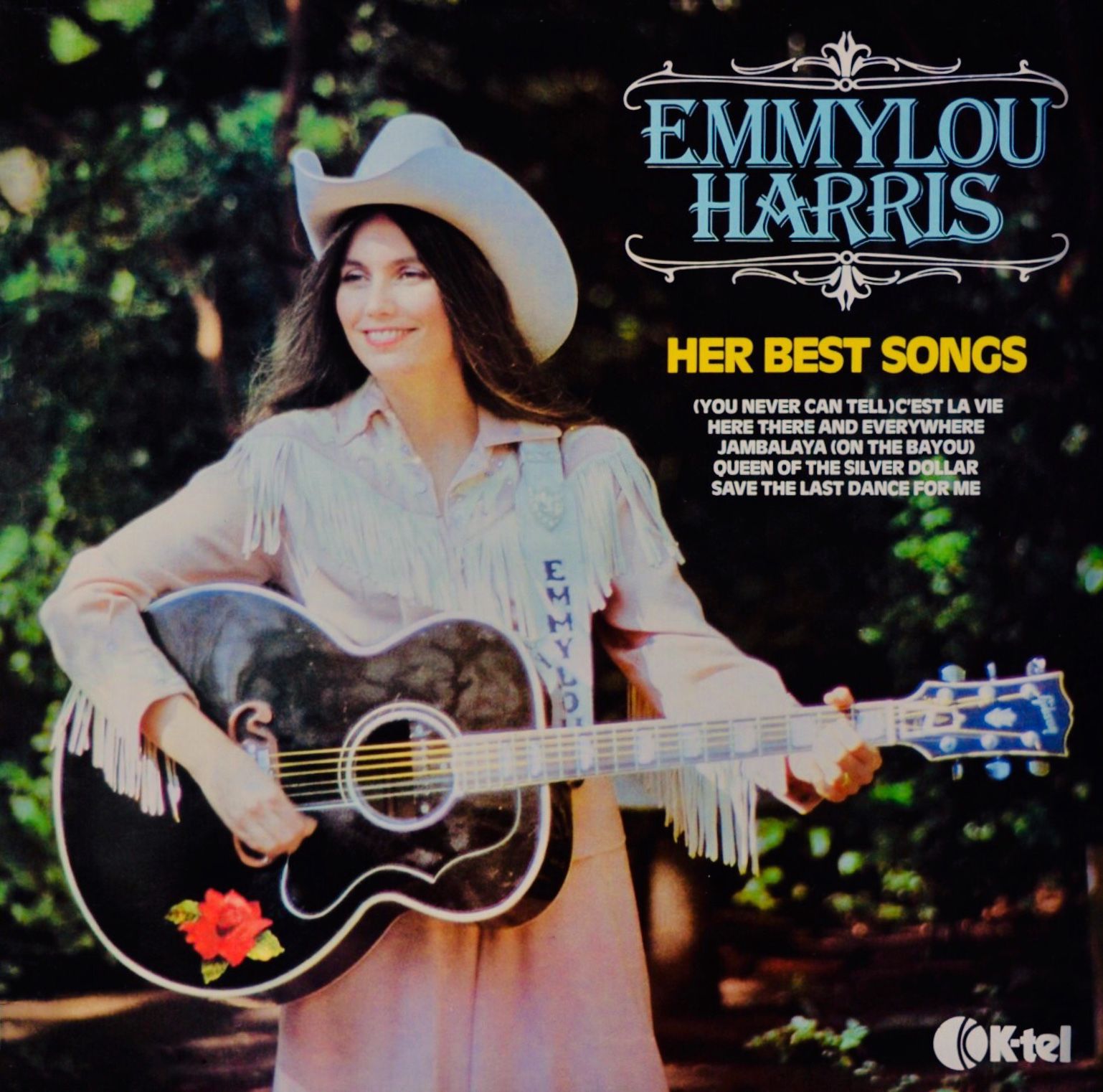
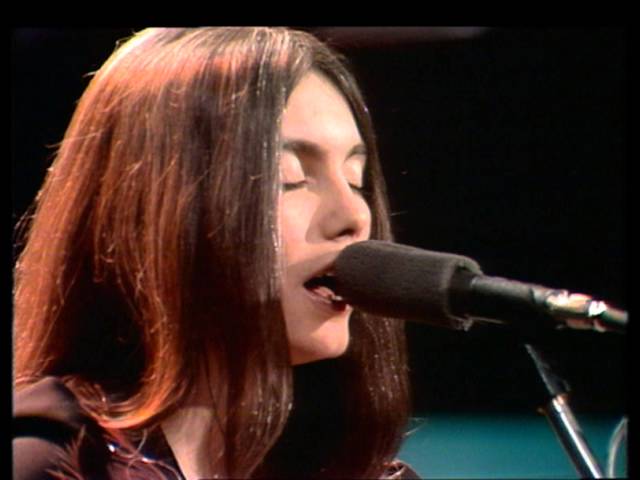
“Didn’t Leave Nobody But the Baby” is a lullaby turned uncanny—three voices rocking the cradle while the world outside feels unsafe, unfinished, and far away.
There’s a peculiar power in hearing comfort sing through fear, and that’s exactly what Emmylou Harris achieves with “Didn’t Leave Nobody But the Baby” alongside Alison Krauss and Gillian Welch. Their version appears on the O Brother, Where Art Thou? (soundtrack), released December 5, 2000, produced by T Bone Burnett—a project that didn’t just accompany a film, but helped reroute mainstream ears back toward old-time American music. The track is credited as traditional and runs 1:57—brief, almost weightless in length, yet strangely heavy in aftertaste.
Again, the “ranking at release” story belongs more to the album than to the track, because this wasn’t a radio-single era moment—it was a cultural swell. The soundtrack went on to reach No. 1 on the Billboard 200 (and, as GRAMMY.com recalls, it spent 15 weeks at the top during an extraordinary 683-week run on the chart). It also won the 2002 GRAMMY Award for Album of the Year, a rare feat for a soundtrack and a sign that something larger than “nostalgia” was happening.
But the most direct honor tied to this song is equally telling: GRAMMY.com notes that “Didn’t Leave Nobody But the Baby” won the GRAMMY for Best Country Collaboration With Vocals at the 2002 GRAMMYs. That award makes sense when you listen closely, because what these three singers create is not a “feature” or a showcase—it’s a single, braided instrument. Their voices don’t compete for the center; they lean into one another like three women holding the same worried thought.
The story behind the performance is inseparable from the film’s world: Depression-era Mississippi, danger on the road, faith and folklore rubbing shoulders. Burnett’s concept was period-appropriate music—bluegrass, gospel, folk, blues—recorded mostly by contemporary artists but shaped to feel like it had always existed. In that setting, “Didn’t Leave Nobody But the Baby” becomes a lullaby with shadows. It soothes, yes—but it also hints at abandonment, at the fear that the grown-ups are gone and the child is left with only song for company.
That tension is why it’s unforgettable. The melody rocks like a cradle, but the harmony feels slightly “off,” like moonlight on a familiar room. And that is the genius of this trio: Emmylou Harris brings a seasoned steadiness, Alison Krauss brings a crystalline hush, and Gillian Welch brings a plainspoken gravity. Together, they make the lullaby sound less like bedtime and more like survival—like a quiet spell you sing to keep the dark from getting ideas.
If “Orphan Girl” is loneliness reaching toward heaven, then “Didn’t Leave Nobody But the Baby” is vulnerability trying to stay calm on earth. It reminds you that comfort is not always cheerful; sometimes it’s just the softest thing available in a hard moment. And when those three voices fade, the silence that follows feels like the room after a candle goes out—still, watchful, and oddly grateful you heard something so tender in time.