 By Classic Oldies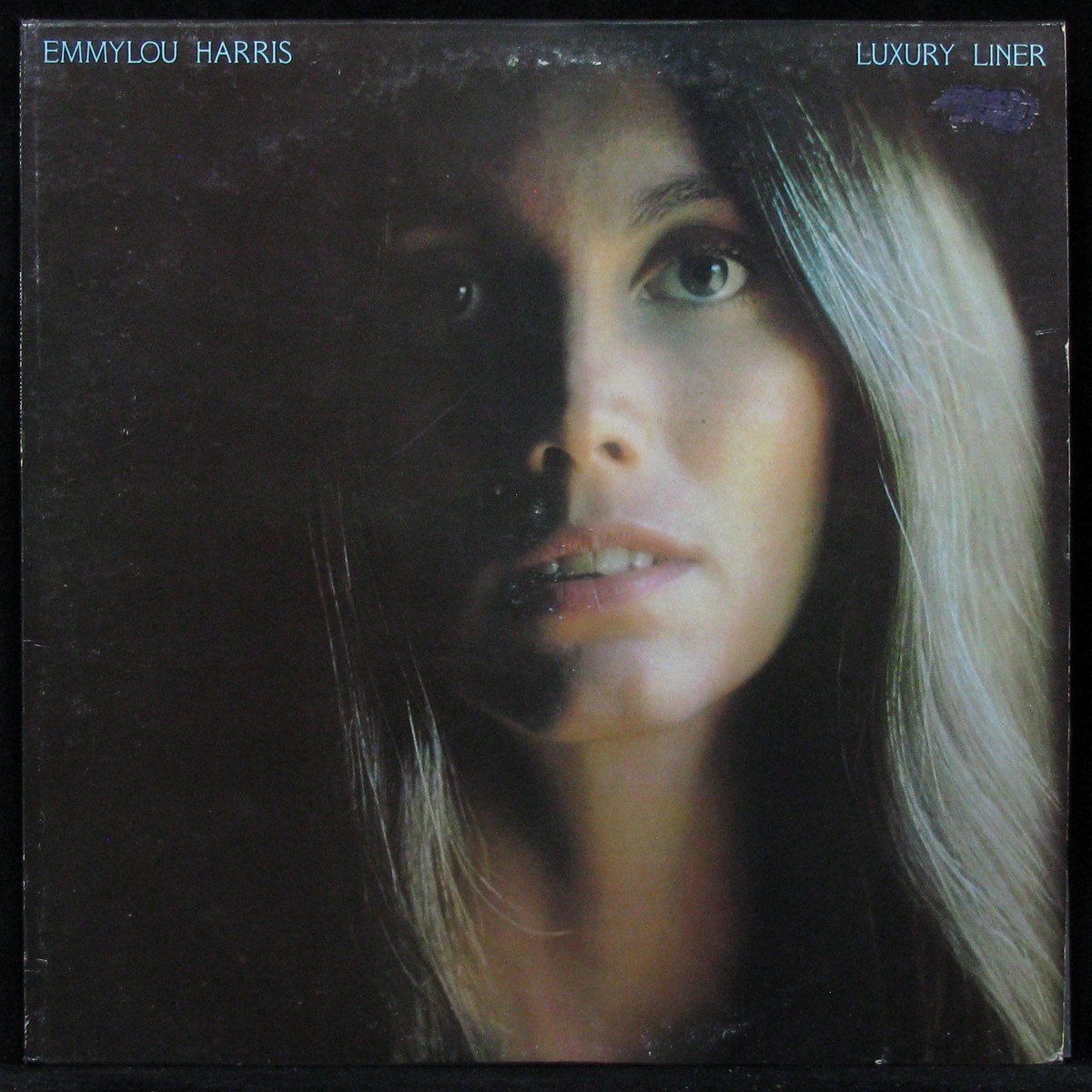
A joyful shrug at fate, “(You Never Can Tell) C’est La Vie” celebrates how love and life refuse to follow our neat plans—and somehow that unpredictability becomes the sweetest part.
By early 1977, Emmylou Harris had already earned a reputation for taste—an artist who could take an “unexpected” song and make it feel like it had always belonged to her. But few choices captured that gift more vividly than (You Never Can Tell) C’est La Vie, her gleaming, road-tested remake of You Never Can Tell by Chuck Berry. Berry’s original was a 1964 hit—peaking at No. 14 on the Billboard Hot 100—and it carried that classic Berry trick: a little movie told in quick, plain scenes, ending with a line that feels like wisdom smuggled inside a smile.
Harris didn’t treat the song as a museum piece. She made it the lead single from Luxury Liner, released February 2, 1977, and it became a genuine country hit—rising to No. 6 on Billboard’s Hot Country Singles that April. And the song’s reach went well beyond Nashville’s borders: it charted strongly in parts of Europe too, including Top 5 positions in the Netherlands and Belgium (Flanders), and a chart entry in Germany. If you want a “ranking at launch,” that No. 6 country peak is the clearest, cleanest headline—especially because it arrived not through gimmick, but through sheer feel.
The story behind Harris cutting it is wonderfully human—less strategy, more serendipity. She’d sung Chuck Berry songs back in her early days in a Washington, D.C. folk trio, and years later, while touring, she found herself listening obsessively to rock-and-roll oldies on the road. Out of that traveling-radio haze came the decision to record this particular Berry gem—because sometimes a song doesn’t get chosen so much as it keeps tapping you on the shoulder until you finally turn around.
Even the way it was recorded feels like motion captured on tape. Harris cut the track on August 10, 1976 in the Enactron Truck, a mobile studio owned and operated by her producer Brian Ahern—a detail that practically smells of highway miles and late-night parking lots outside venues. That same session produced “Hello Stranger,” which became the single’s B-side, as if the day’s work was guided by a single mood: old songs, new breath, a voice that knows how to make the past feel immediate.
Musically, her arrangement is the masterstroke. This isn’t rockabilly reenactment; it’s country with a Louisiana wink—a rolling groove, bright edges, and that unmistakable streak of fiddle that gives the song its “down by the dancehall” sparkle. The track features a prominent Cajun-leaning fiddle contribution from Ricky Skaggs, and you can hear how that one choice changes the entire emotional color: Berry’s story stays intact, but Harris makes it swing with Southern heat and friendly mischief.
And what does the song mean in Harris’s hands? In three minutes it offers a whole philosophy: life is rarely a straight line, yet it keeps moving—weddings happen, jobs come and go, children arrive, bills pile up, love changes its clothes a hundred times… and still the heart keeps trying. The chorus’ little verdict—“it goes to show you never can tell”—lands like a gentle truth you can live with, especially after you’ve watched enough plans fall apart to understand that fate has its own sense of humor.
That’s why “(You Never Can Tell) C’est La Vie” endures as more than a clever cover. It’s Emmylou refusing to let categories fence her in—country singing rock-and-roll storytelling, tradition dressed in a fresh suit, memory made present tense. And when it’s over, you’re left with that rare feeling a great song can give: not sadness, not triumph—just a warm, steady acceptance that the road twists, the years turn, and somehow… we keep dancing anyway.