 By Classic Oldies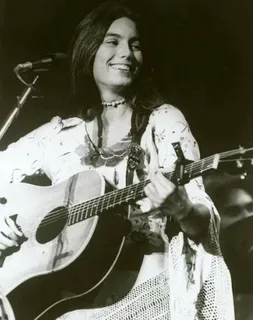
“To Daddy” is a daughter’s clear-eyed witness to a marriage that goes quiet long before it breaks—an aching reminder that love can fail without shouting, and still leave the deepest tracks.
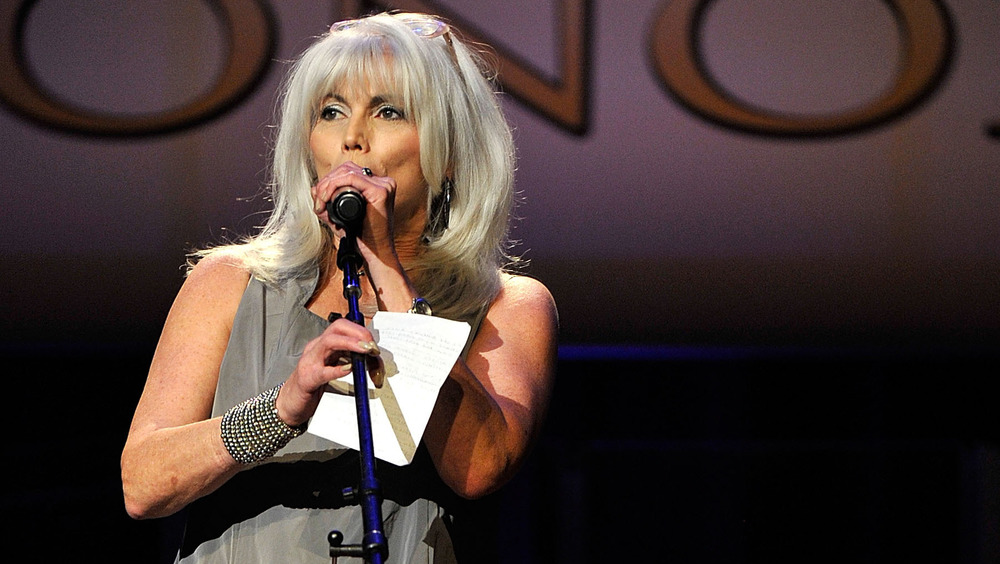
Released as a single on December 3, 1977, “To Daddy” placed Emmylou Harris in that rare spotlight where tenderness and storytelling meet mainstream success. It came from her album Quarter Moon in a Ten Cent Town, backed with “Tulsa Queen,” produced by Brian Ahern, and issued on Warner Bros. Records. Most importantly—because this is the kind of song that deserves its proper historical footing—Harris’s single climbed to No. 3 on Billboard Hot Country Singles, and went all the way to No. 1 on Canada’s RPM Country Tracks.
That’s the public story: chart positions, catalog numbers, the tidy facts that fit in a discography. But the private story—the one you actually hear—begins with the songwriter. Dolly Parton wrote “To Daddy”, and what she wrote was not a romantic fantasy but a small domestic tragedy told with the calm precision of someone who has watched grown-ups make choices they can’t undo. The narrative voice is crucial: it’s a teenage girl watching her mother absorb emotional neglect and infidelity in silence, always concluding with that chilling, restrained refrain—if she hurt, she never said so “to Daddy.” Then the song turns, not with melodrama but with the quietest kind of earthquake: one morning, the mother is gone, leaving behind a note explaining she stayed for the children, and now—since they’re older—she’s leaving to look for the love she never received.
This is why “To Daddy” hits so hard in Harris’s voice. She doesn’t sing it like a courtroom accusation. She sings it like a memory you still don’t know what to do with—part compassion, part disbelief, part mourning for what could have been. Harris had (and kept) that rare gift: she could make a song feel as if it were happening in the next room, and you are hearing it through a half-closed door. On paper the track runs about 2:46, but emotionally it stretches much longer, because every verse feels like a season of a household.
The “behind the scenes” truth adds another layer of poignancy. Parton later said she originally wrote the song for herself, but freely gave it to Harris—an act that says a great deal about how seriously she took her craft as a writer. And there was tension around the song’s message, too: accounts of the era describe how the lyric’s quiet insistence on a woman’s right to leave a loveless marriage stirred disagreement in Parton’s professional circle—precisely because the song refuses to punish the woman for choosing her own dignity.
Listen closely and you’ll notice the true villain in “To Daddy” is not a single moment of betrayal—it’s silence. The mother’s endurance is not romanticized; it’s shown as costly. The father’s absence is not dramatic; it’s casual, and that casualness is what makes it feel so cruel. The song understands something most people only learn after time has worked on them: many families don’t fall apart with a bang. They thin out slowly, like warmth leaving a room.
And perhaps that’s why Harris’s rendition resonated so widely in late 1977 and early 1978. It’s country music doing what it does best when it’s at its most humane: telling the truth plainly, without decoration, trusting the listener to feel the weight of what’s unsaid. A top-three country hit can be a celebration; “To Daddy” is something rarer—a hit that feels like a hushed confession shared by millions.
In the end, “To Daddy” doesn’t ask you to pick sides so much as it asks you to see: the child who watched, the mother who waited, the father who didn’t notice what he was losing until the house was already quieter. And when the last note fades, what remains is that unsettling, unforgettable feeling that the most decisive moment in a life can happen without anyone raising their voice—just a door that opens, a suitcase that closes, and a love story that finally admits it has been over for a long time.