 By Classic Oldies
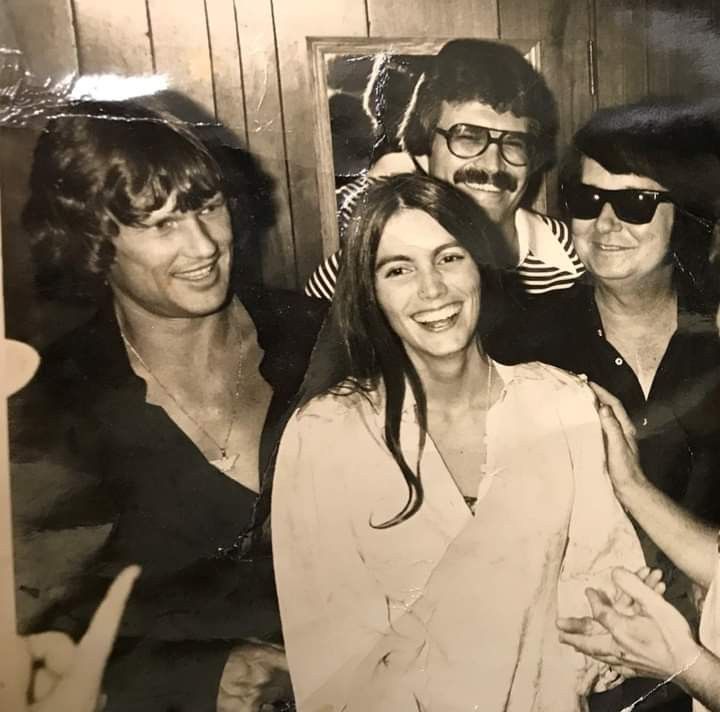
“Beyond the Great Divide” feels like a last light in the window—an intimate promise that love can still “reach you” even when distance becomes forever.
“Beyond the Great Divide” closes Emmylou Harris’ 2008 album All I Intended to Be (released in the U.S. on June 10, 2008), and it lands with the quiet authority of a final benediction. The album’s arrival was strong and unmistakably modern for an artist with such a long road behind her: it debuted at No. 22 on the Billboard 200 and No. 4 on Billboard’s Top Country Albums. In the UK, it reached the Top 40 on the Official Albums Chart (peak No. 33, 2 weeks).
And then there are the details that make this track more than “just” a closing number. “Beyond the Great Divide” is a duet with John Starling, runs 4:26, and is credited to songwriters J.C. Crowley and Jack Wesley Routh. It was also not born in 2008 at all: it was first recorded by Karen Brooks on her 1985 album I Will Dance With You (where it appears as a track running about 4:17).
Those facts matter because they explain the emotional shape of the performance. Harris doesn’t treat the song like a “cover.” She treats it like a place—somewhere you arrive after you’ve walked through everything else on the record: the hard-earned gratitude, the complicated love, the bruises that no longer need explaining. And by putting it at the very end of All I Intended to Be, she gives it the role of a closing door that doesn’t slam. It settles. It leaves you in silence that feels meaningful rather than empty.
The “great divide” in this song is one of those phrases that sounds simple until you sit with it. It can be geography—two lives pulled apart by miles and time. It can be emotional—what happens when two people share a history but can’t find the same language anymore. But in the way Harris and Starling deliver it, it also carries the oldest, most human meaning: that final separation we spend our lives trying not to name too directly. The song doesn’t shout about mortality; it just recognizes it, the way a late-night kitchen recognizes the presence of someone who used to be there. It suggests that love, in the end, isn’t proven by how loudly we declare it—it’s proven by how faithfully it keeps reaching.
The duet is the masterstroke. Starling’s presence changes the air in the room. He wasn’t merely a guest vocalist; he was a revered bluegrass figure—best known as a founding member of The Seldom Scene and honored by the Bluegrass Music Hall of Fame. That lineage matters because bluegrass has always understood something pop sometimes forgets: harmony can be a form of solace. Two voices don’t just “blend”—they keep each other upright. When Harris and Starling sing together, you don’t hear decoration; you hear companionship. The kind that doesn’t cure grief, but makes it survivable.
And hovering over the whole album is the steady hand of Brian Ahern, the producer credited on All I Intended to Be—a choice that feels like trust, like returning to a familiar craftsman who knows how to frame a voice without crowding it. The record’s success—those chart debuts and high placements—may be the official proof that people were listening. But “Beyond the Great Divide” feels like the deeper proof: that Harris, at this stage, could still find a song and make it sound like a letter written specifically to the listener—folded carefully, carried close, and opened only when the day is done.
That’s the lasting meaning here. “Beyond the Great Divide” is not a drama; it’s an assurance. It doesn’t deny distance. It doesn’t pretend the divide isn’t real. It simply insists—gently, stubbornly—that love can stretch farther than we think, that memory can become a kind of bridge, and that the best songs don’t end when they finish… they keep walking beside you, humming softly, long after the last note has gone.