 By Classic Oldies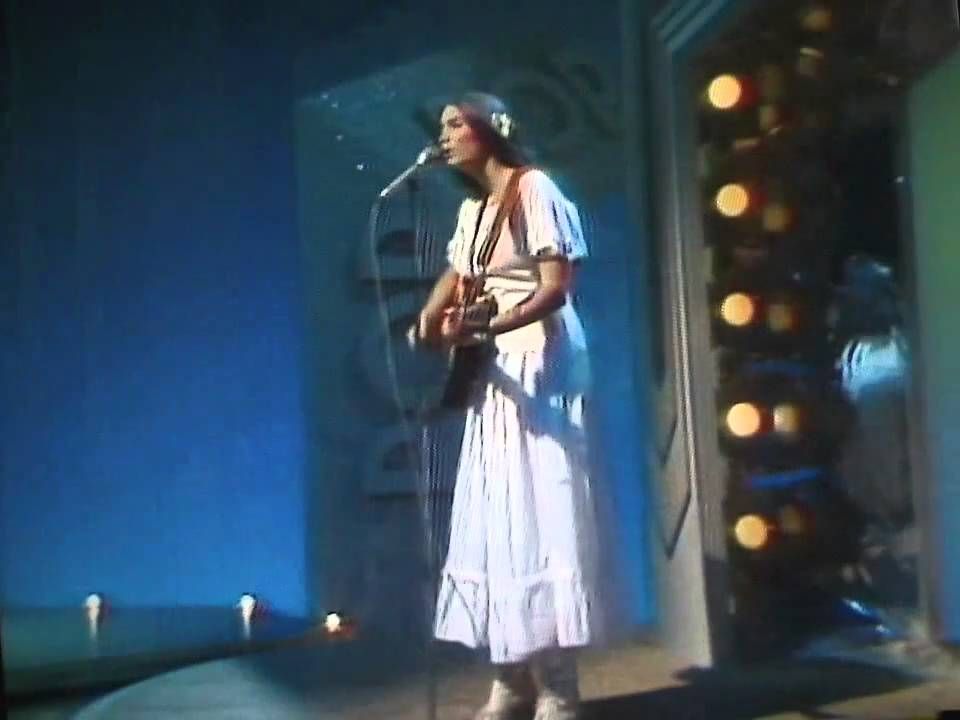
A Waltz Between Devotion and Restraint: The Enduring Grace of a Love That Knows Its Limits
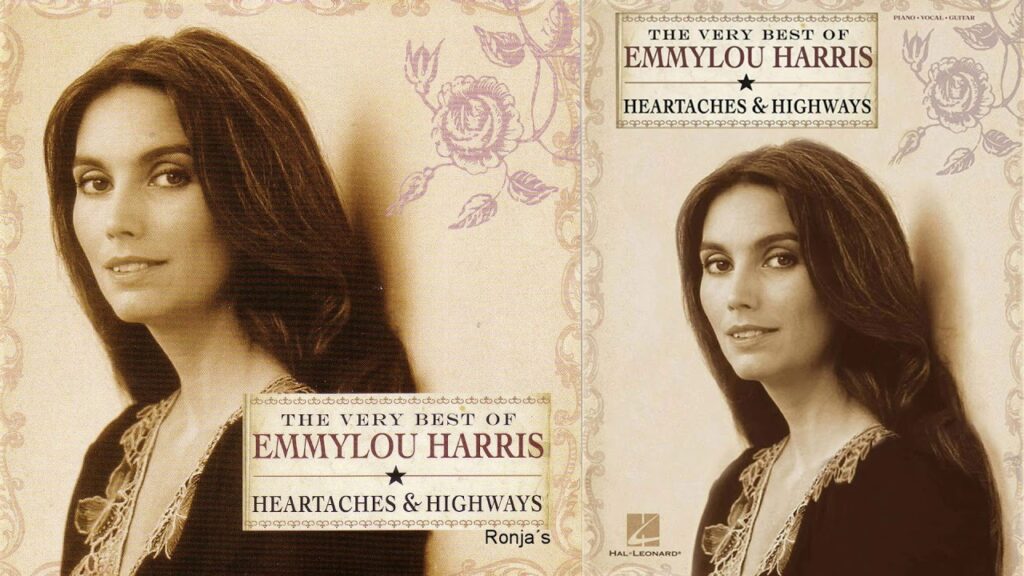
When Emmylou Harris released her rendition of “Save the Last Dance for Me” on the 1979 album Blue Kentucky Girl, she did more than revisit a beloved pop standard—she transformed it. Originally a chart-topping hit for The Drifters in 1960, the song had already secured its place in the American canon, reaching No. 1 on the Billboard Hot 100. But in Harris’s hands, it was reborn within an entirely different emotional geography. Her version, issued as part of an album that reached No. 3 on the Billboard Top Country Albums chart, revealed the song’s core tenderness not through rhythm and swing but through quiet resignation, country minimalism, and a voice that carried both the ache of distance and the grace of fidelity.
Where The Drifters’ version swayed under city lights, buoyed by Ben E. King’s buoyant yet bittersweet delivery, Harris’s interpretation feels like a small-town slow dance at closing time—when the lights dim low and the heart is left to reckon with what it truly holds dear. Her Blue Kentucky Girl was an album rooted in traditionalism, recorded at a time when country music flirted dangerously with pop gloss. Harris resisted that trend with reverence for roots and storytelling. Within this framework, “Save the Last Dance for Me” becomes less a call from a jealous lover and more a gentle invocation of trust—a reminder that devotion is often quiet, not possessive.
The song’s narrative unfolds as an exercise in emotional restraint: a lover watching their partner move gracefully through a room full of admirers, allowing them their moment in the spotlight while holding tight to an unspoken promise—that when the night ends, they will return home together. In Harris’s phrasing, every line breathes patience and vulnerability. She sings as someone who has known both freedom and loss, who understands that love isn’t ownership but faith—a belief that even as hearts wander momentarily into motion with others, they remain tethered by something deeper than circumstance.
Musically, her interpretation strips away the R&B backbeat that gave The Drifters’ original its buoyancy. In its place is gentle acoustic accompaniment—pedal steel sighs, brushed percussion, and understated harmonies that hover like ghosts of past dances. This transformation recasts the song as a rural ballad of longing rather than urban flirtation. It belongs as much to front porches as to dance halls. The space Harris leaves between lines becomes part of the storytelling; it is in those pauses that one can feel both loneliness and devotion entwined.
In a broader sense, “Save the Last Dance for Me” within Blue Kentucky Girl reflects Harris’s artistic philosophy—her devotion to tradition coupled with an emotional intelligence that transcends genre. She doesn’t simply interpret songs; she communes with them, revealing new shades of meaning long thought familiar. Her voice—soaring yet intimate—reminds us that love’s endurance often depends not on claiming every dance but on trusting in the final one reserved just for two.