 By Classic Oldies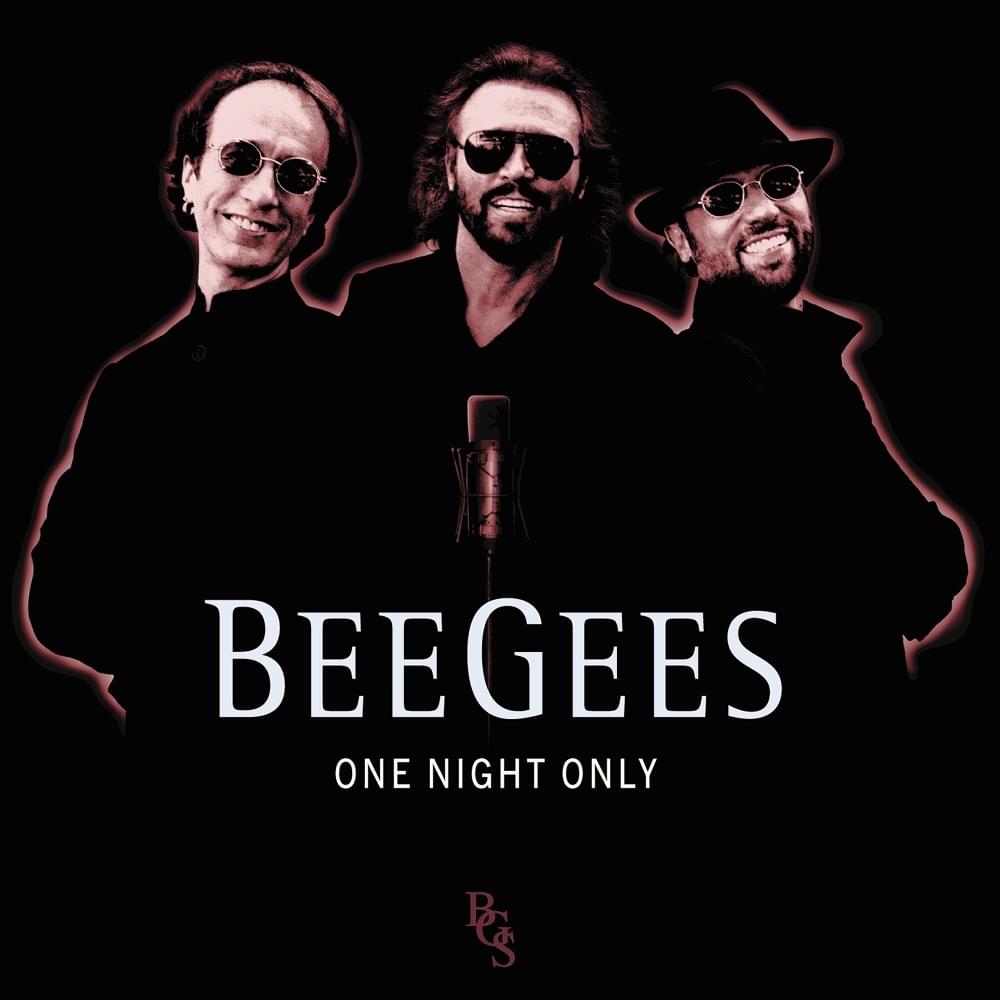
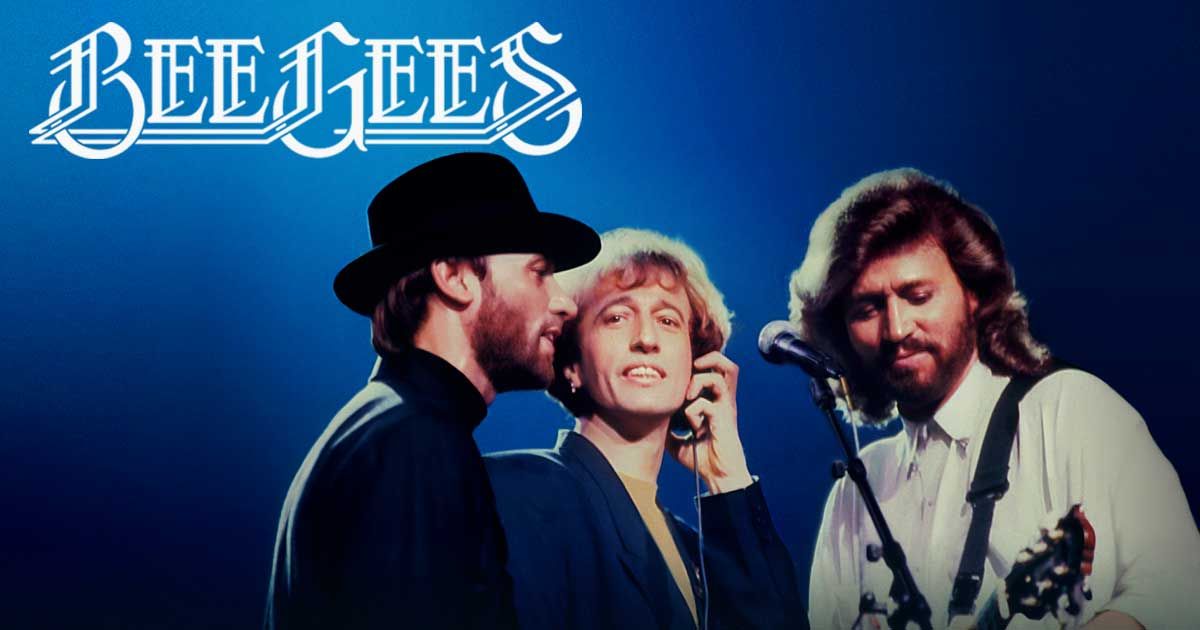
A glittering return to the songs that defined an era, this Bee Gees performance at the MGM Grand turned disco memory into something warmer, deeper, and beautifully human.
There are some performances that do more than revisit old hits. They remind us why those songs stayed with us in the first place. That is exactly what happened when the Bee Gees sang “Night Fever” and “More Than A Woman” live at the MGM Grand in Las Vegas during the celebrated One Night Only concert, recorded on November 14, 1997. It was not merely a nostalgia set. It was a moment of restoration, a graceful return by three brothers whose music had long outlived every trend that once tried to define it.
The historical weight of these two songs was already immense. “Night Fever”, written by Barry, Robin, and Maurice Gibb for the landmark Saturday Night Fever soundtrack, became one of the defining singles of 1978. In the United States, it reached No. 1 on the Billboard Hot 100 and stayed there for eight consecutive weeks, making it one of the biggest hits of that extraordinary disco era. In the United Kingdom, it also climbed to No. 1 on the UK Singles Chart. Its sleek rhythm, falsetto shimmer, and sense of urban movement captured the late-1970s perfectly, but even then, there was more in the song than dance-floor heat. Beneath the groove was yearning, control, elegance, and a kind of emotional polish the Bee Gees made look effortless.
“More Than A Woman” tells a slightly different story. Also written for Saturday Night Fever, it became one of the soundtrack’s emotional centers. Unlike “Night Fever”, the Bee Gees‘ own studio version was not pushed as a major standalone U.S. hit single at the time, yet it endured as one of their most cherished recordings. That is no mystery. The melody is tender, almost weightless, and the lyric carries a quiet devotion that feels more intimate than grand. In a film and soundtrack often remembered for bright lights and dance floors, “More Than A Woman” was one of the songs that gave the whole project its heart.
By the time the group arrived at the MGM Grand in 1997, the world had changed. So had the brothers. The feverish youth of the Saturday Night Fever years had given way to maturity, and that shift gave these songs a different kind of strength. The performance was part of a major comeback moment. One Night Only introduced the Bee Gees to a huge television audience once again and reminded longtime listeners that their catalog was never as narrow as the disco label suggested. They had written ballads, blue-eyed soul, baroque pop, soft rock, and songs of aching beauty long before and after the white-suit era. But in Las Vegas, when they stepped back into “Night Fever” and “More Than A Woman”, they did so without irony and without apology. That confidence mattered.
What makes this live segment so affecting is the way time seems present in every note. Barry Gibb‘s voice still carries the song’s signature brightness, but now there is weather in it, a grain that brings tenderness to every phrase. Robin Gibb and Maurice Gibb add that unmistakable family blend, the sound that always made the Bee Gees more than hitmakers. Their harmonies were never merely precise. They felt inherited, almost instinctive, as though the songs were being remembered from somewhere deep inside them.
On stage, “Night Fever” no longer sounds like a passing scene from the disco years. It sounds like a standard, polished by survival. The groove is smooth, but the performance does not rush. It breathes. The arrangement honors the original while allowing the years to add their own emotional color. Then, when the mood turns toward “More Than A Woman”, the emotional temperature changes. The room softens. The glamour of Las Vegas remains, but the song opens a more personal space, as if the concert briefly stops being a spectacle and becomes a conversation between memory and melody.
That contrast is part of what made the Bee Gees so singular. They could write music for crowded rooms and private feelings at the same time. “Night Fever” is all motion, style, and confidence, yet it never feels cold. “More Than A Woman” is romantic without becoming sentimental. Put together in this live setting, the two songs reveal the full architecture of the group’s genius: rhythm and tenderness, sophistication and sincerity, polish and vulnerability.
It is also worth remembering that the Saturday Night Fever soundtrack itself became one of the best-selling albums in popular music history. Songs from that project were not simply chart records; they became part of the cultural atmosphere. They shaped fashion, radio, nightlife, and the emotional imagination of the late 1970s. But a live performance like this proves something even more important: great songs can survive the era that made them famous. In the hands of their creators, decades later, they can even deepen.
There is a special poignancy in watching the brothers at the MGM Grand. They are not chasing their younger selves. They are standing beside them. That is a rare thing in popular music. Many reunions lean too heavily on memory, as though the past alone can carry the night. The Bee Gees did something finer. They let the songs age with dignity. They showed that the pulse of “Night Fever” and the devotion of “More Than A Woman” still belonged in the present.
And perhaps that is why this performance continues to resonate. It is not only about disco, nor even only about the glory of the Bee Gees. It is about what happens when songs that once lit up a generation return with deeper shadows, richer feeling, and the quiet authority of lives fully lived. At the MGM Grand, under the lights of Las Vegas, the brothers did not simply perform two beloved classics. They reminded us that great music does not stand still. It grows older with us, and if it is truly special, it somehow grows more beautiful too.