 By Classic Oldies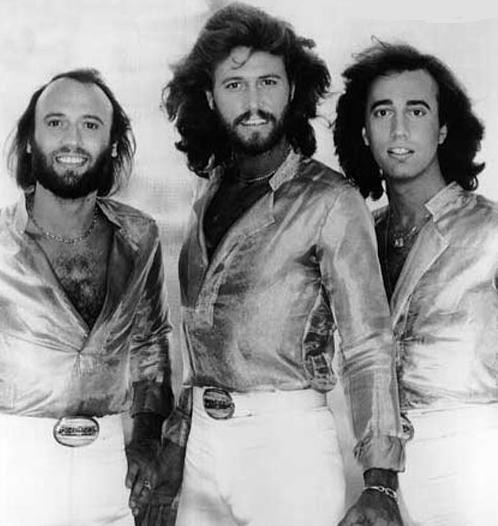
In Sacred Trust, the Bee Gees turned love into a vow—gentle, steadfast, and touched by the kind of wisdom that only arrives after a lifetime of feeling.
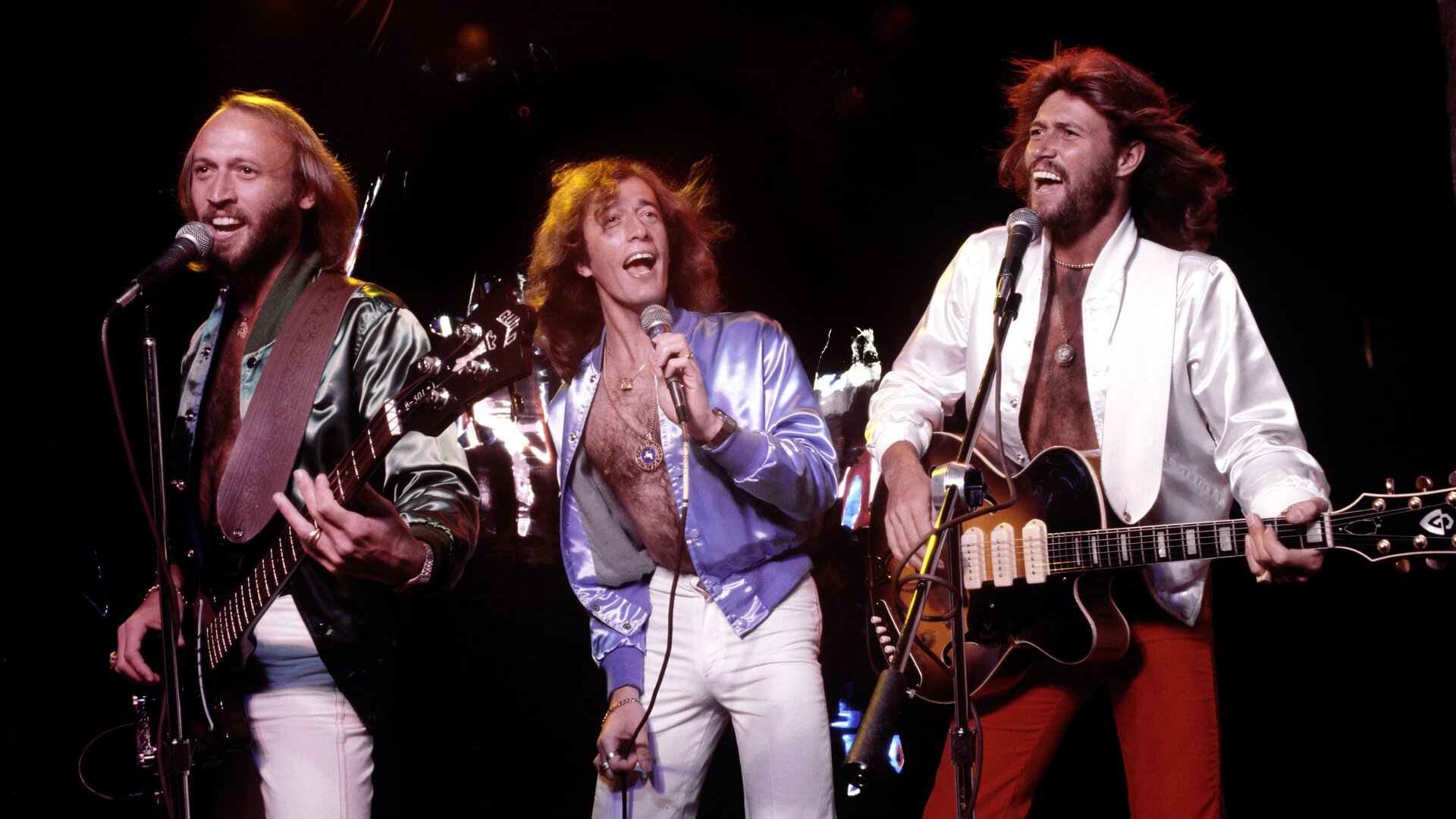
Released in 2001 on This Is Where I Came In, Sacred Trust belongs to the late, deeply reflective period of the Bee Gees, when Barry, Robin, and Maurice Gibb were writing not for trends, but for truth. While Sacred Trust itself was not one of the group’s major standalone chart singles, the parent album made a strong entrance, reaching No. 6 on the UK Albums Chart. That matters, because it reminds us that even in the new century, long after the group had already lived several musical lives, there was still an audience ready to follow them into quieter, richer emotional territory. And few songs on that final studio album as a trio reveal that maturity more beautifully than Sacred Trust.
What makes the song so affecting is that it does not beg for attention. It does something more difficult. It speaks softly and leaves a mark anyway. This was never a flashy comeback record, and Sacred Trust was never crafted like a song racing toward radio dominance. Instead, it feels like a private promise set to music. Written by Barry, Robin, and Maurice together, it carries the unmistakable Bee Gees gift for melody, but without the need to dazzle in the obvious way. The harmonies are still there, of course—warm, blended, immediately recognizable—but the emotional center of the song is restraint. It is the sound of devotion expressed by grown men who understood that the strongest feelings are not always the loudest ones.
The story behind Sacred Trust is less about a dramatic studio legend and more about where the Bee Gees were in their lives and careers when they made it. By 2001, they had nothing left to prove. They had already conquered pop, soul, balladry, soundtrack history, and one of the most discussed eras in modern music. Yet This Is Where I Came In showed that they still cared deeply about craft, about songwriting as something intimate and lasting. In that sense, Sacred Trust feels almost like a statement of values. Not a statement made to the press, or the marketplace, but to the listener. It says that love is not merely desire, not merely memory, not merely romance at its most dramatic. Love, in this song, is responsibility. It is reverence. It is something entrusted to you.
That phrase—Sacred Trust—is the key to the whole piece. The brothers do not treat love as a passing spark. They elevate it into something solemn and almost spiritual, but never so abstract that it loses its human warmth. This is one of the reasons the song lingers. It understands that the deepest relationships are built not only on emotion, but on care, loyalty, and the quiet decision to remain faithful to what has been shared. The Bee Gees had written unforgettable love songs before, from How Can You Mend a Broken Heart to Too Much Heaven, but this later composition speaks from a different vantage point. It is less about longing for love, and more about honoring it.
Musically, the song is beautifully measured. It does not rely on bombast. The arrangement gives the melody room to breathe, and the brothers sing with the sort of confidence that comes from experience rather than strain. There is tenderness in the performance, but also steadiness. That balance is one of the most moving qualities in late-period Bee Gees recordings. In their younger years, even their saddest songs could sound fragile, suspended in yearning. Here, the emotion is grounded. Sacred Trust does not tremble; it stands. The result is a ballad that feels deeply lived-in, as if every note has already traveled through memory before reaching the listener.
Looking back now, the song carries even more weight because This Is Where I Came In became the final studio album released by the trio. No listener in 2001 could fully hear it with that future knowledge, but hindsight changes the color of music. Songs that once sounded simply graceful can begin to feel quietly monumental. Sacred Trust is one of those songs. It now plays like part of a farewell chapter, not because it is sad in any simplistic way, but because it captures the brothers in a state of artistic peace. They were no longer chasing the world. They were speaking from within themselves, and from within a bond that had survived fame, reinvention, and time itself.
There is also something deeply reassuring about the song’s emotional language. Many pop songs speak about love in extremes—ecstasy, heartbreak, obsession, loss. Sacred Trust chooses another road. It is about permanence. About keeping faith. About treating another heart as something precious. That may sound simple, but in popular music it is rarer than people realize. The Bee Gees understood that some of the most profound songs do not depend on surprise; they depend on recognition. And many listeners recognize themselves in this one. Not in youthful fantasy, but in the quieter, harder-won understanding that real love is sustained by character as much as feeling.
For that reason, Sacred Trust deserves to be rediscovered not as a footnote, but as one of the most elegant songs in the Bee Gees later catalog. It may not be the title casual listeners mention first, and it may not sit beside the group’s biggest chart smashes in public memory, but it offers something those songs could not have offered at the same moment in history. It offers perspective. It offers stillness. It offers the voice of artists who had lived long enough to understand that the truest promises are often made quietly. And perhaps that is why the song feels stronger now than ever. Time has caught up with it. What once sounded understated now sounds deeply wise.
In the end, Sacred Trust is not just a late-career ballad from the Bee Gees. It is a reminder of how gracefully great songwriters can age when they remain faithful to melody, sincerity, and emotional clarity. That is what makes the song endure. Not noise. Not nostalgia alone. But the unmistakable feeling that three brothers, writing and singing from a place of hard-earned tenderness, left behind one more truth worth holding onto.