 By Classic Oldies
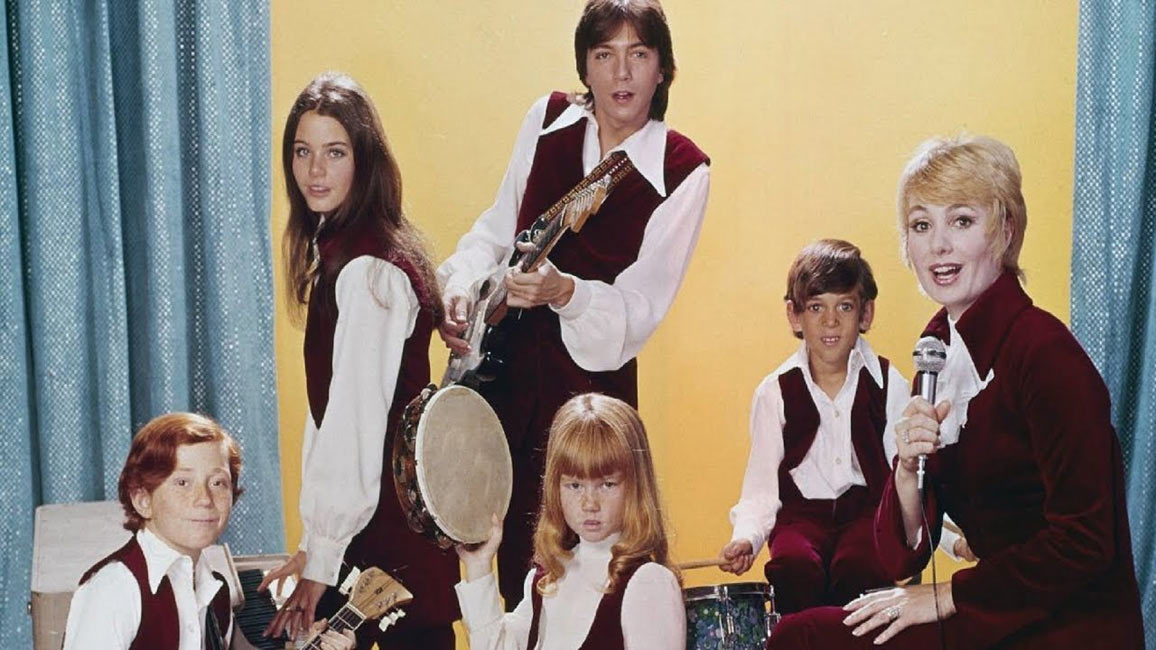
More than a cheerful catalog track, Rock Me Baby reveals the pulse beneath The Partridge Family image: bright pop, real studio craft, and a youthful energy that still feels wonderfully alive.
For many listeners, Rock Me Baby is the kind of song that quietly reshapes the way they hear The Partridge Family. It may not carry the instant public mythology of I Think I Love You or the same radio memory as the group’s biggest hits, but that is part of its charm. This is one of those recordings that rewards a second look, a closer listen, and perhaps a more generous understanding of what this famous television family actually represented in early-1970s pop. Behind the smiles, the matching bus, and the family-show warmth was a very efficient hit-making machine, and sometimes, on songs like Rock Me Baby, you can hear the machinery turn into something genuinely exhilarating.
The most important chart fact should be stated plainly. Rock Me Baby was not one of The Partridge Family’s major U.S. Billboard hit singles, which is why it is often treated as a lesser-known gem rather than a signature smash. In that sense, its chart story is modest. It did not arrive with the commercial weight of I Think I Love You, which famously reached No. 1 on the Billboard Hot 100 in 1970, or Doesn’t Somebody Want to Be Wanted, which climbed to No. 6 in 1971. But that relative quiet has helped Rock Me Baby age in a different way. It feels less overexposed, less fixed in oldies-radio repetition, and more like a private discovery waiting inside the group’s catalog.
The backstory matters here, because The Partridge Family has always lived in two worlds at once. There was the television fantasy, colorful and comforting, and then there was the recording reality. The records were produced during the group’s Bell Records years by Wes Farrell, with contributions from elite Los Angeles studio musicians. The public saw a family band; the speakers delivered a carefully built pop sound with professional precision. At the center of that sound was David Cassidy, whose voice gave the records their emotional spark, their teenage urgency, and their unmistakable lift. On a song like Rock Me Baby, that contrast becomes especially fascinating. What might have been dismissed as simple TV-pop suddenly reveals bite, momentum, and real musical conviction.
What makes the song memorable is not only its catchy construction but its feeling. Rock Me Baby is built on movement. It is a song about surrendering to rhythm, to attraction, to the thrilling instability of being carried away by someone’s presence. In lesser hands, a title like that might feel generic. But The Partridge Family understood something essential about pop music: sometimes the emotional truth is not hidden in complexity, but in directness. The phrase itself is simple, but the effect is immediate. The song captures that familiar pop-music moment when affection becomes physical energy, when longing turns into motion, when the heart stops explaining and simply leans into the beat.
There is also a youthful confidence in the performance that keeps it from feeling disposable. David Cassidy had a gift for sounding eager without sounding careless. He could press a lyric forward with real excitement, yet keep the melody smooth and inviting. That balance mattered enormously to The Partridge Family sound. The group’s best records were never only sweet; they had a certain drive in them, a brightness with muscle behind it. Rock Me Baby belongs to that tradition. The arrangement moves with purpose, the rhythm section gives the track its spring, and the polished production never smothers the song’s sense of fun. Even now, it sounds less like a relic than a reminder of how expertly crafted pop once could be.
What, then, is the deeper meaning of Rock Me Baby? In one sense, it is a straightforward early-1970s pop performance about closeness, excitement, and romantic intoxication. But beneath that surface, it also reflects a larger truth about The Partridge Family itself. The song represents escape without cynicism. It comes from a period when pop still believed in uplift, in momentum, in the possibility that a three-minute record could brighten the room and lighten the spirit. That is not a small achievement. In fact, it is part of why so many songs from that era remain beloved. They did not always need to confess every wound to feel real. Sometimes they simply offered warmth, release, and the pleasure of being carried along.
There is, too, a small but important cultural correction hidden in songs like this. For years, some listeners have been too quick to reduce The Partridge Family to teen-magazine nostalgia. Yet the catalog tells a fuller story. Yes, the project was commercial. Yes, it was carefully packaged. But commercial music can still be skillful, emotionally effective, and musically satisfying. Rock Me Baby is evidence of that. It reminds us that not every worthwhile song becomes a towering chart hit, and not every television-born act should be judged only by its image. Sometimes the truest measure is in the records themselves, in how they move, how they endure, and how unexpectedly fresh they feel decades later.
That is why Rock Me Baby still matters. Not because it dominated the charts, but because it reveals the living heartbeat of The Partridge Family. It shows the group in motion, in color, and in command of a style they performed far better than skeptics often admit. Heard now, the song feels like a cheerful window opening onto another era: polished, melodic, hopeful, and full of the kind of rhythm that can still catch a listener off guard. And sometimes that is the real gift of an overlooked song. It reminds us that memory is only the beginning; the music still has more to say.