 By Classic Oldies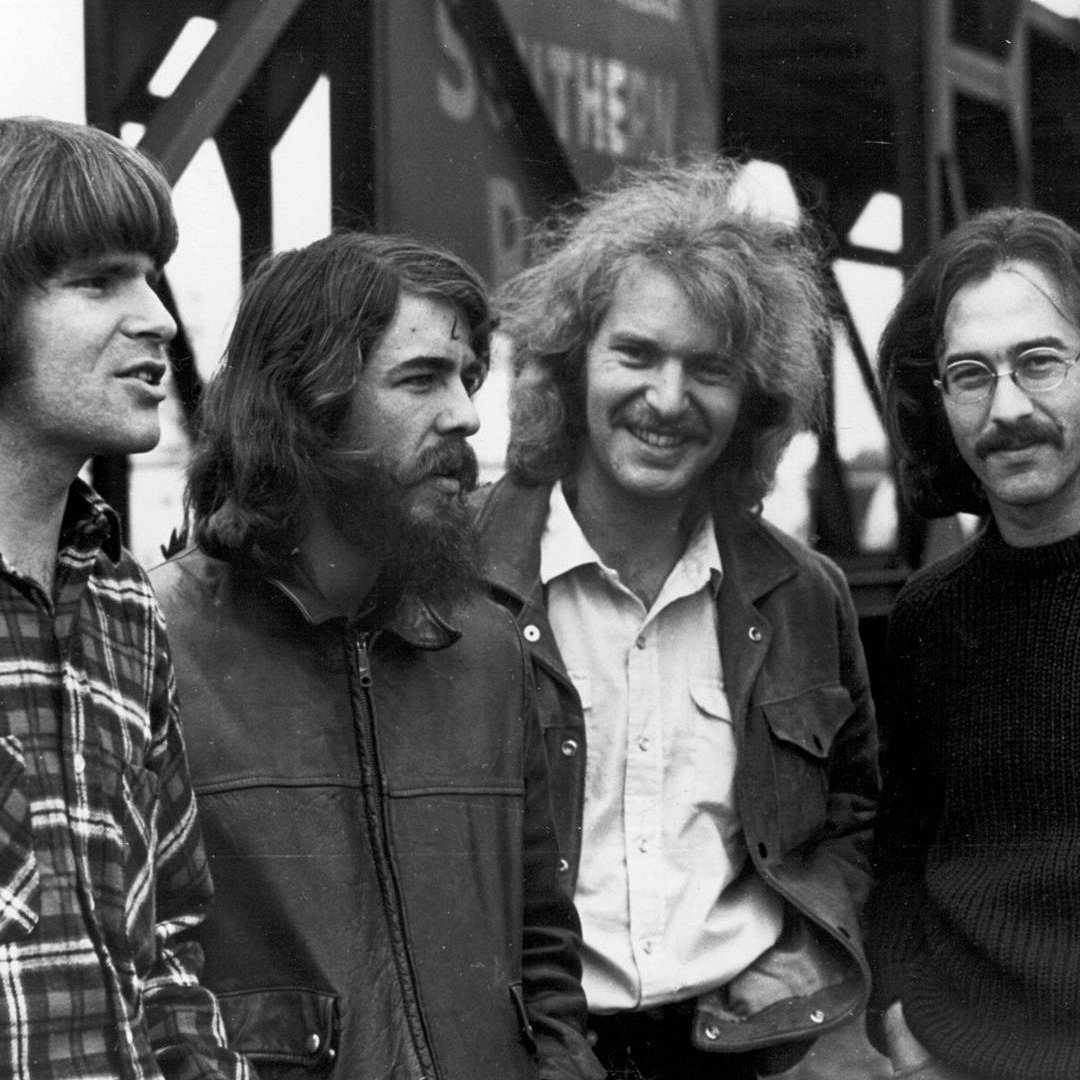
Commotion is Creedence Clearwater Revival at their most restless, turning the pressure and noise of modern life into a lean, urgent rock record that still feels startlingly current.
There is something wonderfully deceptive about Commotion. On the surface, it moves with the quick confidence of a classic Creedence Clearwater Revival track: sharp rhythm, tight groove, no wasted motion, no unnecessary decoration. But beneath that driving beat is a song about overload, distraction, and the way the modern world can rattle the human spirit. Released in 1969 on Green River, the song arrived during one of the most extraordinary creative runs in American rock. Although Commotion was not a standalone charting hit in the United States, it was issued as the B-side to Green River, and that single climbed to No. 2 on the Billboard Hot 100. The album Green River itself went to No. 1 on the Billboard 200. That matters, because it places this compact, restless song exactly where it belongs: at the center of CCR‘s blazing 1969 peak.
Written by John Fogerty, Commotion does not lean on the swamp imagery that so many listeners associate with the band. Instead, it feels closer to a street-level snapshot of nerves under pressure. Traffic, noise, confusion, the sense of being crowded by movement and sound – that is the emotional landscape here. And in that way, the song is quietly brilliant. Fogerty understood that rock and roll did not always need a grand statement to say something true. Sometimes the most revealing subject is the ordinary strain of daily life, the way the world gets loud enough to live inside your head.
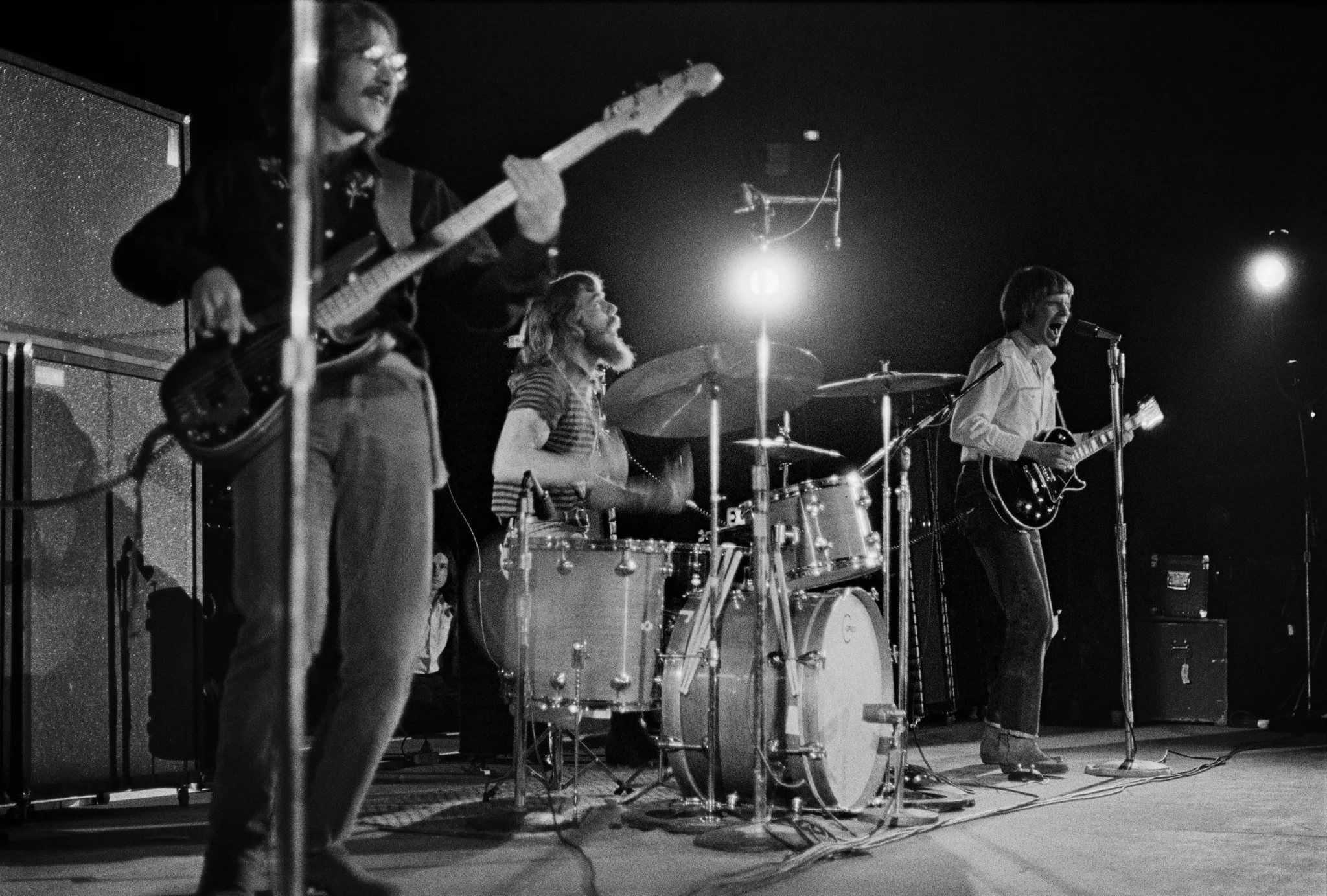
That idea gives Commotion a very particular power. It is not dreamy. It is not sentimental. It is a song built on friction. The rhythm section of Doug Clifford and Stu Cook keeps everything moving with muscular precision, while Tom Fogerty‘s guitar work helps thicken the track without ever slowing it down. Over it all, John Fogerty sings with that clipped urgency that became one of CCR‘s signatures. He does not sound like a man admiring chaos from a distance. He sounds like someone standing in the middle of it, pushing through.
Musically, the song is a fine example of why Creedence Clearwater Revival could do so much in so little time. Commotion is not a sprawling statement. It is compact, almost severe in its discipline. Yet every part lands exactly where it should. The guitar line keeps tugging forward, the drums have a purposeful pound, and the whole record carries the nervous energy of a city street seen through tired eyes. This was one of CCR‘s great gifts: they could sound immediate and almost casual, while the construction underneath was remarkably exact.
It is also worth remembering just how crowded 1969 was for the band. In that single year, Creedence Clearwater Revival released Bayou Country, Green River, and Willy and the Poor Boys. That kind of output now seems almost unimaginable, especially when the quality remained so high. In a catalog full of larger, more famous titles, Commotion can sometimes be overlooked. Yet songs like this are part of what made the band great. Not every gem announced itself as an anthem. Some records earned their place by capturing a feeling so exactly that it never really faded.
The meaning of Commotion has only deepened with time. In 1969, it could be heard as a sharp reflection of a world growing faster, noisier, more intrusive. Today, that feeling is even easier to recognize. The details may have changed, but the pressure has not. If anything, the song feels prophetic in its simplicity. It reminds us that long before the digital age, people already knew what it meant to be overwhelmed by motion, by chatter, by a life that would not sit still. That is one reason the track continues to connect: it does not belong only to its era. It belongs to any moment when life feels just a little too loud.
For listeners discovering the song through later remastered releases, the sharpened sound can make its attack feel even clearer, but the heart of the record has never depended on polish. What lasts is the tension in the groove and the honesty in the performance. Commotion still sounds like four musicians who knew exactly how to turn unease into momentum. There is grit in it, but also craft. There is pressure, but also pleasure. And that balance is pure CCR.
In the end, Commotion endures because it captures a truth that many songs miss. The world does not have to break apart to feel exhausting. Sometimes the burden is smaller, closer, more familiar – the endless hum, the constant rush, the daily clatter of being alive. Creedence Clearwater Revival took that feeling and gave it a beat you could move to. That may be why the song still lingers long after it ends. It is not only a fine rock performance from a legendary band. It is the sound of ordinary pressure turned into art.