 By Classic Oldies

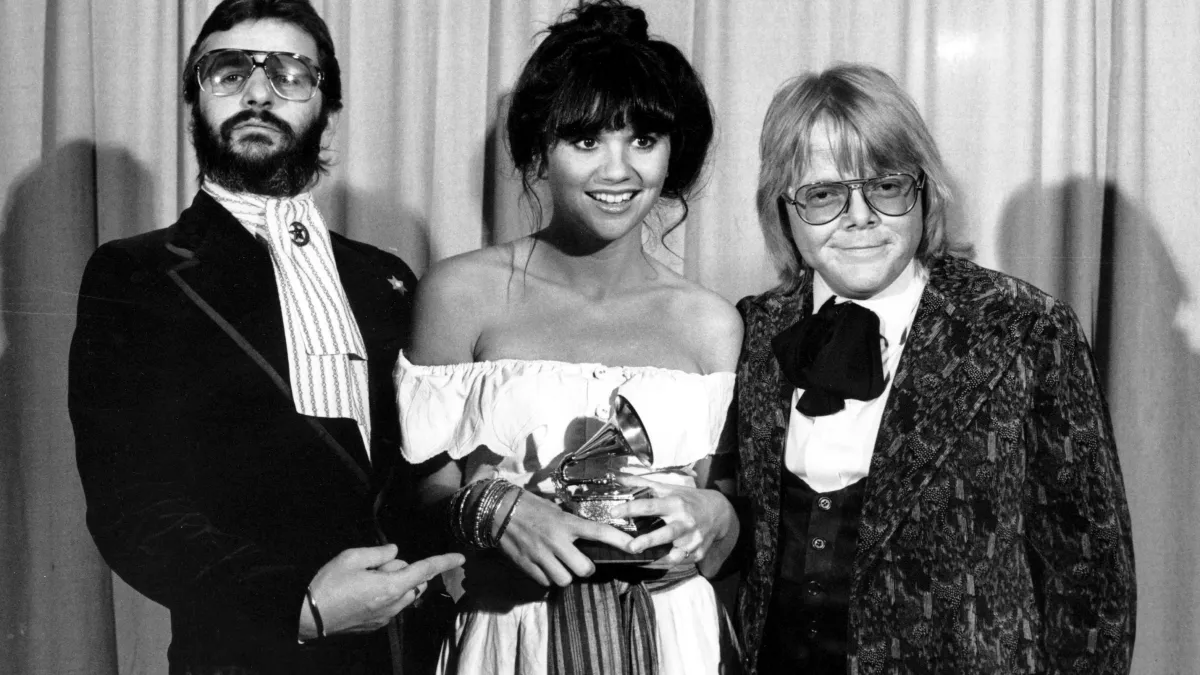
Bright, breathless, and full of fearless charm, “It’s So Easy” captures the delicious moment when love sweeps away caution and leaves only motion, rhythm, and surrender.
When Linda Ronstadt recorded “It’s So Easy” for her 1977 album Simple Dreams, she did something that only a handful of singers can truly do: she took a beloved earlier song and made it feel as if it had been waiting for her all along. Her version rose to No. 5 on the Billboard Hot 100, becoming one of the standout hits from an album that itself reached No. 1 on the Billboard 200. Those chart facts matter, of course, but they tell only part of the story. What still matters more, all these years later, is the sensation the record creates the instant it begins. It is quick, bright, and alive with confidence. It does not linger. It does not over-explain. It simply moves forward, like a heart that has already decided.
The song itself was written by Buddy Holly and Norman Petty, and it first appeared in 1958 in the hands of The Crickets. In its original form, “It’s So Easy” already had that wonderfully clean rock-and-roll DNA: a crisp beat, a direct melody, and lyrics so simple they almost seem effortless. But simplicity is often the hardest thing to preserve. Many artists can sing a straightforward song; far fewer know how to keep it from sounding small. Linda Ronstadt, working with producer Peter Asher, understood exactly what to do. She did not drown it in nostalgia, and she did not treat it like a museum piece from the 1950s. Instead, she gave it a modern late-1970s drive, a sharper edge, and a vocal performance that sounded both playful and commanding.
That is one of the quiet miracles of the record. Linda Ronstadt never sounds as though she is imitating early rock and roll. She sounds as though she is meeting it head-on and reminding everyone how alive it can still be. Her voice carries brightness, yes, but also force. There is flirtation in the phrasing, yet there is also certainty. She sings “It’s so easy to fall in love” not as a dreamy bystander, but as someone who knows the risk and steps into it anyway. That is what gives the performance its staying power. Beneath the song’s cheerful surface lies a small act of rebellion: people warn us, the lyric says, that love is for fools, and still we go breaking all the rules.
That emotional idea is larger than the song’s running time might suggest. At first glance, “It’s So Easy” seems almost weightless, a fast and irresistible burst of pop pleasure. But the best songs of this kind are never shallow. They are distilled. Here, the meaning rests in that contrast between warning and surrender. The lyric admits that falling in love may be unwise, impulsive, even foolish in the eyes of others. Yet the song refuses cynicism. It chooses feeling over caution. It chooses motion over hesitation. In that sense, it is not merely a love song. It is a defense of vulnerability, wrapped in a beat you can almost dance to without thinking.
And perhaps that is why Linda Ronstadt’s version remains so satisfying. She was one of the great interpreters of her era, able to move between rock, country, pop, and torch songs with remarkable ease. On Simple Dreams, that gift was everywhere, but “It’s So Easy” had a special kind of electricity. It showed how naturally she could bridge decades of American music. She could honor Buddy Holly without sounding trapped by the past. She could sound polished without losing spontaneity. She could make a song under three minutes feel complete, confident, and unforgettable.
There is also something deeply appealing about how unpretentious the record is. So many hits announce their importance. This one never does. It arrives, flashes its smile, and is gone before it has worn out its welcome. Yet that very lightness is part of its craft. The arrangement is tight, the rhythm section keeps everything moving, and the guitars give the track its snapping energy. Nothing is wasted. Every second serves the song. That economy is one reason the performance continues to feel fresh. It belongs to 1977, certainly, but it also seems to float free of era. It is classic without stiffness, stylish without vanity.
For listeners who return to Linda Ronstadt again and again, “It’s So Easy” is a perfect reminder of what made her so singular. She could take material from another time and reveal not just its craftsmanship, but its pulse. She understood that a great pop recording does not need unnecessary decoration; it needs conviction, timing, and emotional truth. And here, emotional truth arrives in one of the most appealing forms possible: the sudden, irrational, exhilarating certainty that love is worth the leap.
In the end, that may be the song’s most enduring meaning. “It’s So Easy” is not naive. It knows what the world says about love. It simply refuses to let warning have the final word. In Linda Ronstadt’s hands, that old rock-and-roll message became fresh again in 1977: sometimes the heart moves faster than wisdom, and sometimes that is exactly why a song still feels so good when the years have gone by. You hear it, and for a moment the world becomes simpler, brighter, and full of momentum.