 By Classic Oldies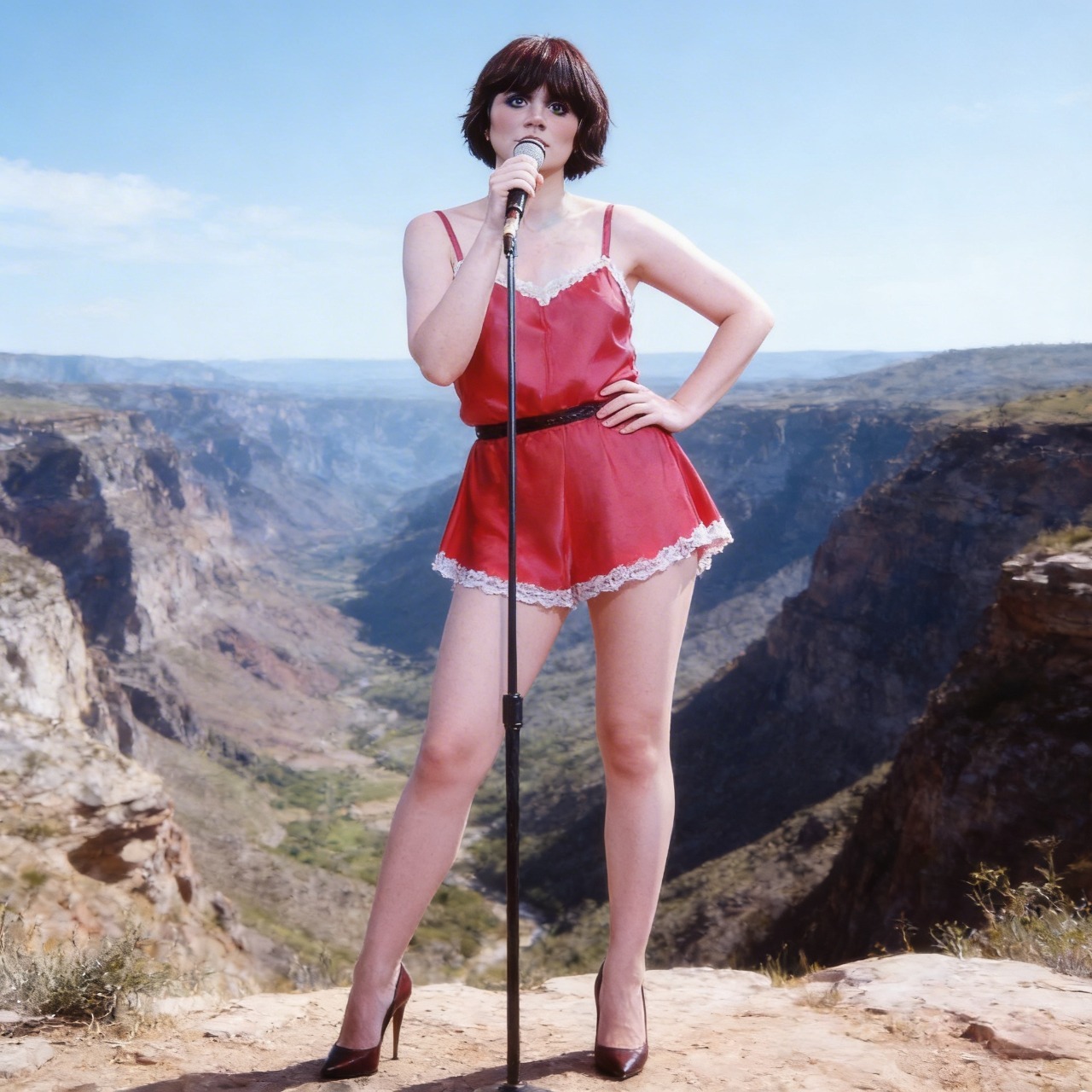

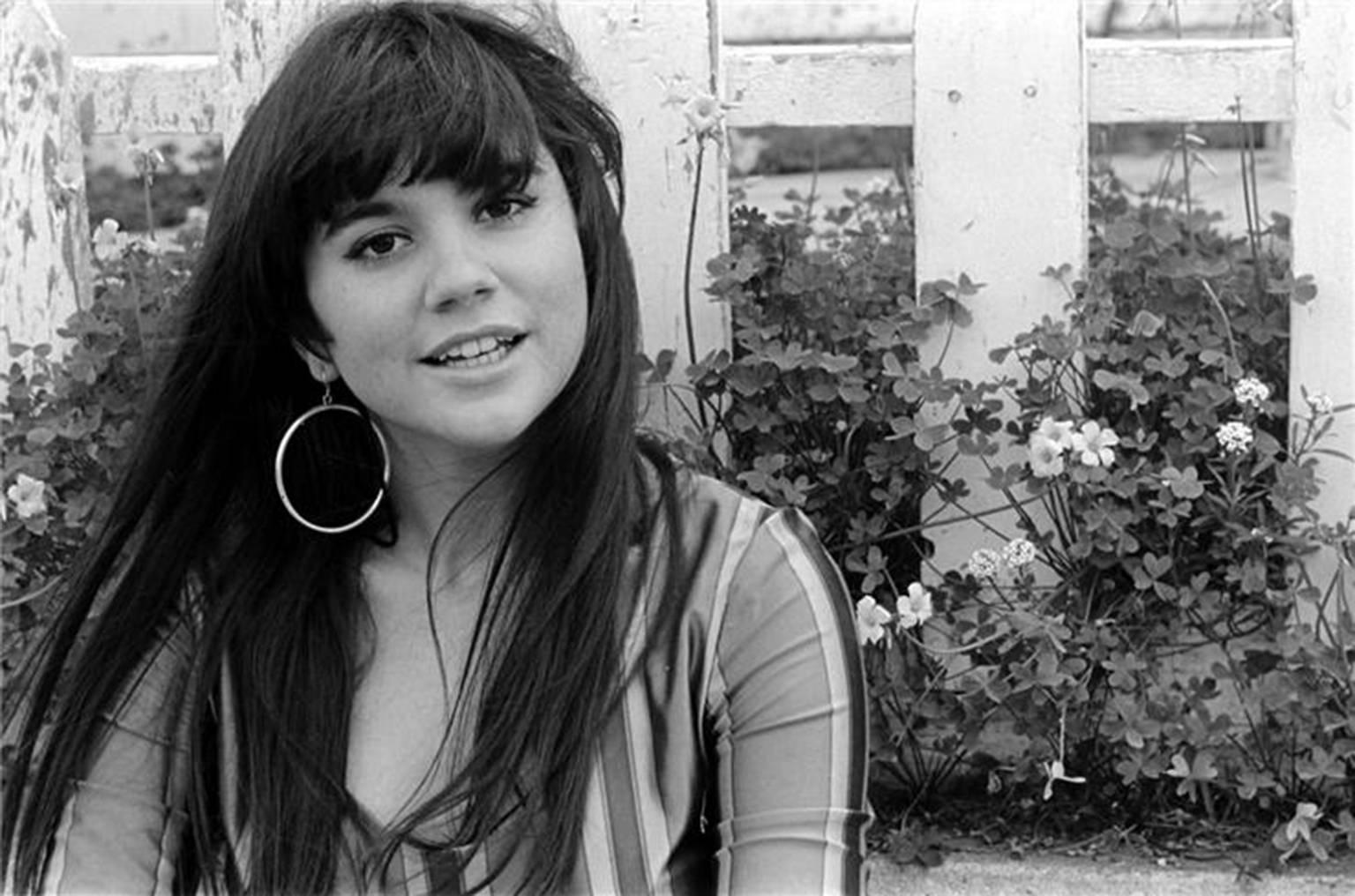
When Will I Be Loved is a small song with a lasting ache, and in Linda Ronstadt’s voice it became both a cry of bruised loneliness and a brave refusal to stop believing in real love.
When Linda Ronstadt recorded When Will I Be Loved for her 1974 breakthrough album Heart Like a Wheel, she did something rare. She took a song many listeners already knew and made it sound as if it had been waiting for her all along. Her version rose to No. 2 on the Billboard Hot 100 in 1975, reached No. 1 on the Billboard Hot Country Singles chart, and helped confirm what music fans were beginning to understand with full certainty: Ronstadt was not simply a gifted interpreter. She was one of the defining voices of her era.
That success matters, but the deeper story is in the feeling of the record itself. Heart Like a Wheel also became Linda Ronstadt’s first No. 1 album, and it arrived at a moment when country-rock was no longer a fringe blend of styles but a major force in American popular music. Under producer Peter Asher, Ronstadt found a sound that was polished but never cold, disciplined but still full of human ache. When Will I Be Loved fit that moment perfectly. It was familiar enough to stir memory, yet sharp and urgent enough to feel brand new.
The song, of course, did not begin with her. When Will I Be Loved was written by Phil Everly and first recorded by The Everly Brothers in 1960. Their version became a Top 10 pop hit, reaching No. 8 on the Billboard Hot 100. The Everlys brought to it that unmistakable blend of close harmony and youthful heartbreak, and the song already carried the sting that made it unforgettable. But Ronstadt heard something in it that went beyond early rock and roll elegance. She heard the bruised persistence at its core.
The lyric is plainspoken, almost deceptively simple. A few short lines tell the whole story: disappointment, betrayal, the weariness of being let down again, and the same old question returning with even more weight each time. There is no elaborate poetry here, no dramatic twist, no grand speech. That is precisely why it lasts. The song says what so many people have felt but could not easily dress up in prettier language. It asks the most vulnerable question in love with no protection around it at all.
What makes Linda Ronstadt’s recording so affecting is the balance she brings to that question. She does not sing it as a helpless plea. She sings it with motion, with backbone, with a kind of bright sorrow that never collapses into self-pity. The arrangement moves briskly, driven by clean country-rock energy, but her voice keeps opening small emotional windows inside that momentum. You hear hurt, certainly, but you also hear pride. You hear someone who has been disappointed and refuses to pretend otherwise. That tension is the soul of the performance.
It is also part of what made Ronstadt such a singular artist. She had a remarkable ability to inhabit songs that came from different writers, different decades, even different genres, and still make them feel personally lived in. She did not overwhelm material with mannerism. She clarified it. In her hands, When Will I Be Loved was not merely a revival of an old favorite. It became a statement about emotional endurance, about how heartbreak can sharpen a voice rather than silence it.
There is another layer to the story that makes her version especially meaningful. Linda Ronstadt grew up absorbing a wide range of American music, and harmony singing was deeply woven into her musical instincts. That connection made The Everly Brothers a natural source for her, but she never approached their work like a museum piece. She approached it like living material. On When Will I Be Loved, she honored the architecture of the original while changing its emotional temperature. The Everlys gave the song elegance and ache; Ronstadt gave it steel.
That steel helped the song cross audiences with unusual ease. It worked on pop radio. It worked on country radio. It worked for listeners who loved classic harmony singing and for those who were drawn to the fuller, more contemporary sound of the mid-1970s. Very few artists could move so naturally between those worlds. Ronstadt did it without sounding calculated. Her records felt chosen by instinct, not by strategy, and that authenticity still clings to this performance decades later.
Perhaps that is why the song continues to resonate. The question in the title never ages. Every generation thinks it is asking it for the first time. Yet in Ronstadt’s voice, the question carries not only longing but memory. It sounds like someone who has asked it before. Someone who is tired, but not defeated. Someone who still wants tenderness, but will not beg for it in a whisper. That emotional maturity is what elevates the record beyond hit status and into the realm of songs that stay with people for life.
In the end, When Will I Be Loved remains one of the clearest examples of what made Linda Ronstadt extraordinary. She could take a compact, two-minute song and fill it with weather, history, and feeling. She could honor the past while sounding entirely present. And she could turn a familiar refrain into something that felt suddenly personal again. That is no small gift. It is the kind of artistry that does not fade with fashion. It simply keeps finding new hearts to reach.