 By Classic Oldies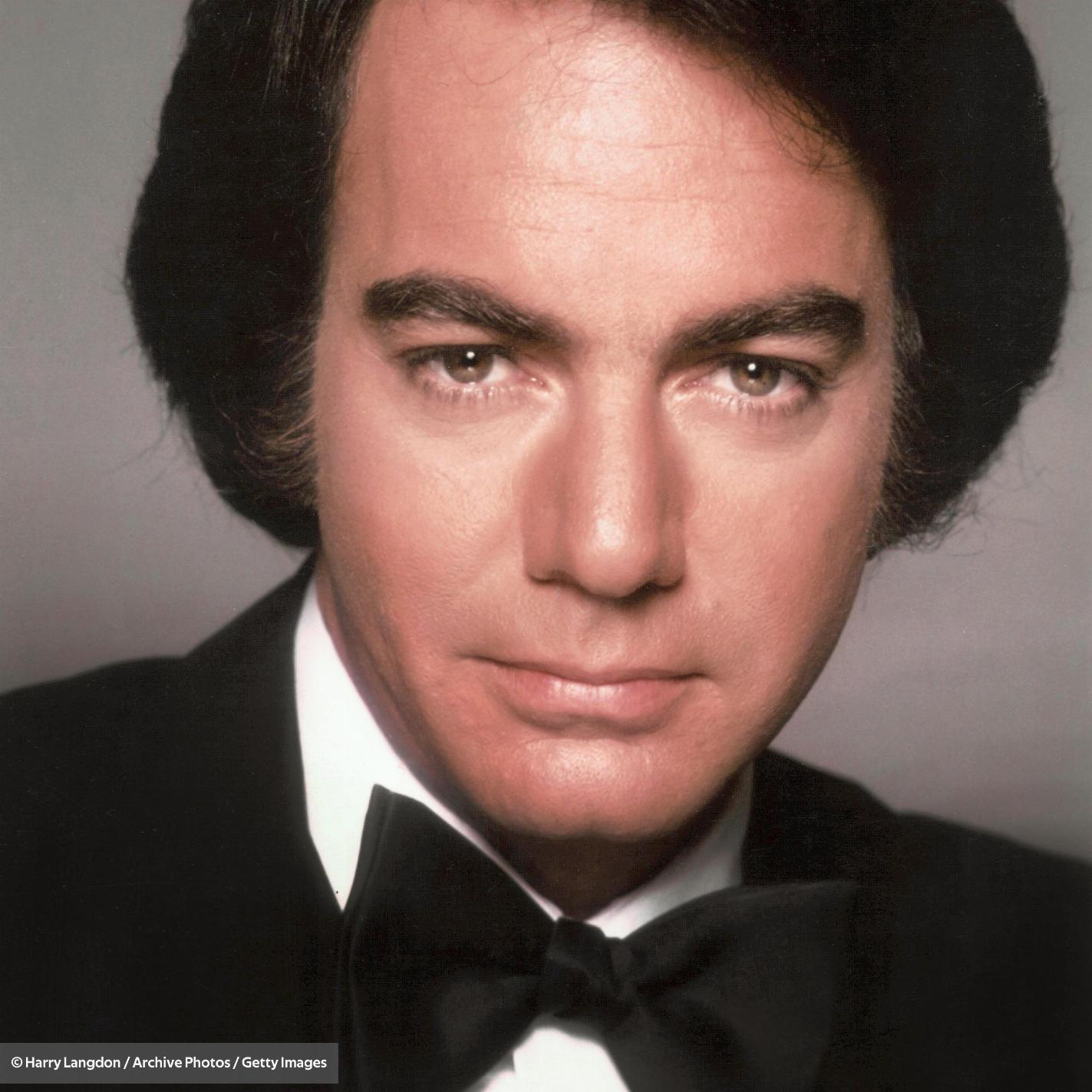

Long Gone shows how Neil Diamond could turn heartbreak into motion, writing not about tears alone, but about the cold, steady moment when a love is already slipping out of reach.
Not every memorable Neil Diamond song arrived with the weight of a major hit single behind it. Some lived a quieter life, discovered later by listeners who wanted more than the familiar landmarks of “Sweet Caroline”, “Solitary Man”, or “Cracklin’ Rosie”. Long Gone belongs to that more private side of his catalog. It may not stand among the songs most commonly attached to a Billboard peak or an oldies-radio ritual, but that is part of its hold. The song did not become one of Diamond’s notable charting signature singles, and because of that, it has remained something more intimate: a deep cut that lets listeners hear the writer without the full thunder of the legend.
What makes Long Gone so compelling is its emotional temperature. This is not heartbreak presented as grand tragedy. It feels sharper than that, leaner than that. The song carries the sound of someone who has already crossed an invisible line, someone no longer pleading to be understood but simply naming the truth of distance. That is one of the gifts Neil Diamond always had when he was at his best: he could write about loneliness in a way that moved forward. Even in sadness, there was often a beat beneath the words, a pulse that suggested the heart keeps walking even after it has been bruised.
In Long Gone, that forward movement matters. The title itself is plain, almost conversational, but in Diamond’s hands plain words rarely stay small. He understood the dramatic power of direct language. He did not always need poetic fog or complicated imagery to make a feeling land. Sometimes a phrase as simple as Long Gone could suggest abandonment, self-protection, pride, regret, and finality all at once. That economy is part of what gives the song its strength. It does not overstate its case. It trusts the listener to feel the ache between the lines.
If there is a story behind the song that matters most, it is the story of where it sits in Diamond’s artistry. This is the work of a songwriter who knew that emotional truth did not always need to arrive as a sweeping ballad. Long before many listeners came to think of Neil Diamond mainly in terms of arena-sized choruses and big communal singalongs, he was also a craftsman of tension, swing, and blunt emotional clarity. Long Gone reminds us of that side of him. It reveals the tough edge beneath the warmth, the urban restlessness beneath the romantic glow.
That is also why the song continues to resonate with devoted listeners. A track that never dominated the charts often ages differently from a blockbuster hit. It is spared overexposure. It stays a little closer to the listener. In the case of Long Gone, the absence of a major chart legacy actually deepens its mystique. There is no famous peak position to repeat as a trophy, no oversized public narrative to flatten it. Instead, the song survives on feel, performance, and the unmistakable stamp of Diamond’s writing voice.
Musically, the appeal lies in that balance he managed so well: melody strong enough to stay with you, rhythm firm enough to keep the song from collapsing into self-pity, and a vocal delivery that always sounded like it came from someone who had lived inside the line before he sang it. Neil Diamond rarely approached a song as a detached stylist. He leaned into words. He pressed feeling into consonants. He gave even compact material a sense of lived weight. On Long Gone, that approach matters more than any commercial statistic. You hear a man not decorating heartbreak, but inhabiting it.
There is something especially moving about the way songs like this survive across the years. The biggest hits often belong to everyone. A song like Long Gone can feel as though it belongs to you alone for a while. It becomes the kind of recording one returns to on a quiet evening, not for nostalgia in the simple sense, but for recognition. It knows that endings are not always dramatic. Sometimes they are clean, tired, and final. Sometimes the real wound is not in the leaving, but in realizing the leaving happened long before the door closed.
That is the deeper meaning of Long Gone. Beneath its directness lies an old truth: by the time some farewells are spoken, the heart has already traveled a great distance. Neil Diamond understood that better than most. And in this overlooked song, he gave that realization a melody sturdy enough to last. It may not carry the public glory of his most famous recordings, but it carries something else just as enduring: the unmistakable sound of a writer turning pain into shape, rhythm, and memory.