 By Classic Oldies
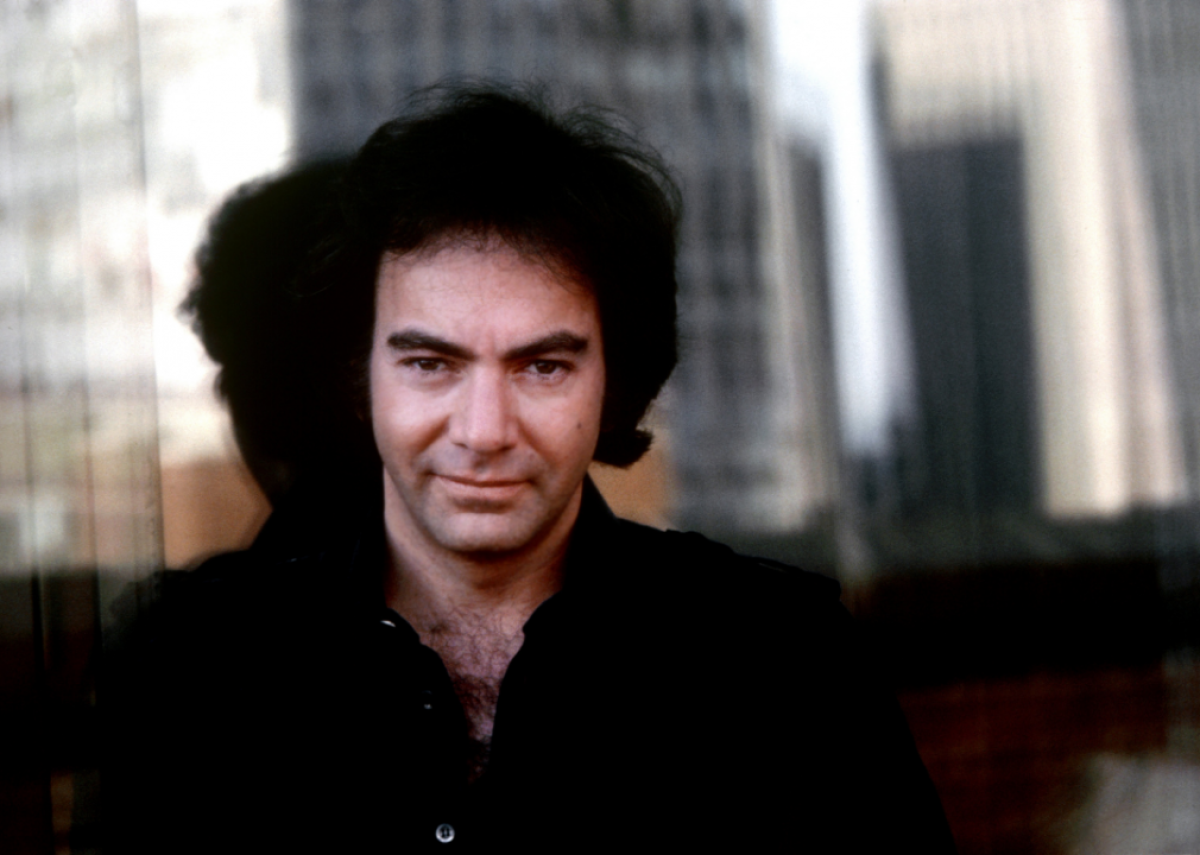
Captain Sunshine may not be one of Neil Diamond’s biggest hits, but it remains one of his gentlest late-1960s reflections on innocence, warmth, and the parts of ourselves that time never fully takes away.
Some songs arrive like headlines. Others live quietly for years, waiting for the right listener, the right season, the right age of the heart. “Captain Sunshine” belongs to that second kind. Released in 1968 on Neil Diamond’s album Velvet Gloves and Spit, it was never a major chart single and did not enter the Billboard Hot 100 on its own. That fact alone helps explain why it has remained hidden in plain sight for so long. It sat just beyond the spotlight, tucked inside a period when Diamond was writing with unusual speed, confidence, and emotional reach. Yet for listeners who know the deeper corners of his catalog, this song still glows with a warmth that feels unmistakably human.
By 1968, Neil Diamond was no newcomer. He had already proven he could write songs that connected instantly, whether for himself or for others. The sharp pop instincts were there, of course, but so was something deeper: a sense that even the most accessible melody could carry loneliness, memory, longing, and private wonder. “Captain Sunshine” may not have had the commercial force of his better-known titles, but it reveals that softer current beautifully. It shows Diamond not only as a hitmaker, but as a writer fascinated by the fragile territory between childhood brightness and adult reflection.
The title itself is part of the song’s quiet magic. “Captain Sunshine” sounds almost like a storybook figure, someone imagined through the eyes of a child, or remembered later through the haze of adulthood. There is a playfulness in the phrase, but also a strange tenderness. In Diamond’s hands, sunshine is not just weather or color. It becomes a symbol of emotional shelter, innocence, and the kind of hope that does not need to shout. The song carries the feeling of looking back toward a place where life seemed simpler, clearer, and somehow more whole.
That is one reason the track endures. It does not depend on grand drama. It moves through suggestion, mood, and tone. Like many of Diamond’s most affecting songs, it leaves room for the listener to step inside. One hears not just a character, but a state of mind: the wish to preserve gentleness in a world that so often rewards hardness. In 1968, that emotional contrast mattered. Popular music was becoming louder, more political, more fractured, more exploratory. Against that backdrop, a song like “Captain Sunshine” could feel modest on the surface, yet emotionally profound underneath. It offered brightness without naivety, softness without weakness.
The placement of the song in the broader Velvet Gloves and Spit era is especially revealing. Even the album title suggests duality: tenderness and toughness, beauty and abrasion, dream and reality. That tension runs through much of Diamond’s late-1960s writing. He was already moving beyond simple pop craftsmanship toward something more personal and more literary. A deep cut like “Captain Sunshine” shows how instinctively he could shift from streetwise energy to almost childlike radiance without losing emotional credibility. He understood that grown-up songwriting did not always have to sound burdened to be meaningful.
And perhaps that is why the song feels so moving now. It carries no need to prove itself. It simply exists as a small, glowing fragment of Neil Diamond’s imagination, and in that modesty there is real grace. The melody and phrasing have the gentle pull of a remembered afternoon. The emotional effect is not explosive; it is cumulative. The song settles in slowly, and then, before one quite realizes it, it begins to stir old rooms in the mind.
There is also something unmistakably autobiographical in the emotional architecture of many Diamond songs from this period, even when the lyrics are not openly confessional. He often wrote about searching, remembering, belonging, and the elusive shelter of home. In that sense, “Captain Sunshine” belongs to the same wider artistic impulse that would make other Neil Diamond songs resonate so deeply: the attempt to hold onto wonder while speaking from within experience. He was not merely describing innocence; he was measuring the distance from it.
That may be the hidden strength of the song’s meaning. On one level, “Captain Sunshine” feels bright, whimsical, even lightly playful. On another, it carries the ache of knowing that innocence is easiest to recognize once it has partly slipped away. The song does not collapse into sadness, but it understands loss in a subtle way. It knows that memory can make sunlight feel warmer than it was at the time. It knows that the figures we invent, admire, or remember often tell us as much about our need for comfort as they do about the world itself.
For listeners who mainly know Neil Diamond through towering standards and arena-sized singalongs, discovering “Captain Sunshine” can be a revelation. It reminds us that his catalog was never built on obvious hits alone. Some of its richest moments are hidden in album tracks that reveal his emotional intelligence in quieter ways. This is one of them. It may not have climbed the charts, and it may never have become one of the titles repeated endlessly on oldies radio, but it has outlasted its obscurity because it speaks in a voice that does not age easily.
In the end, “Captain Sunshine” still glows because it understands something timeless: that a song can be gentle and still leave a lasting mark. In a career filled with grand hooks and unforgettable choruses, this 1968 deep cut offers something smaller, rarer, and perhaps even more intimate. It is a reminder that Neil Diamond was always capable of writing not just for the charts, but for memory itself.